Understanding the Hidden Nature of Indoor Air
Air inside a home can appear calm and harmless, yet beneath that stillness may lie an invisible swirl of dust, allergens, and bacteria. Each time a door closes and windows shut tight, air quality becomes a captive element—one that requires attentive management to remain pure. Coastal Heating and Air Conditioning approaches indoor air quality as both a science and a responsibility, recognizing that temperature control alone cannot ensure a healthy indoor atmosphere. Their philosophy centers on the idea that every cubic foot of air should support health, not hinder it.
Air indoors is a silent ecosystem. It mixes with humidity, circulates through ducts, and carries culinary scents, pet dander, cleaning residue, and outdoor contaminants indoors. These particles can build up, causing allergies and discomfort. Maintaining equilibrium in this system requires examination, purification, ventilation, and annual renewal, according to Coastal Heating and Air Conditioning.
Integrating Intelligence into System Design
Modern HVAC systems are buildings’ lungs. Unplanned designs can recirculate contaminants instead of filtering them. Airflow patterns at Coastal Heating and Air Conditioning are carefully designed to efficiently disperse clean air and remove impurities. Their technicians assess duct designs, sealing integrity, and vent location, which affect airflow and dust settlement.
Balanced airflow makes rooms more comfortable and quickly eliminates odors. Balance is difficult because too much pressure can pull outdoor pollutants inside, while too little airflow can create stale pockets. The company transforms a climate control device into an intelligent respiratory health monitor through strategic adjustments and advanced system configurations.
Precision Filtration and Technological Enhancement
Air filtering has advanced beyond meshes. Coastal Heating and Air Conditioning uses multi-layer filtration to collect invisible contaminants. These silent filters stop pollen, tiny particles, and bacteria from spreading. Some systems use ultraviolet or electrostatic filtering to neutralize bacteria and reduce airborne infections.
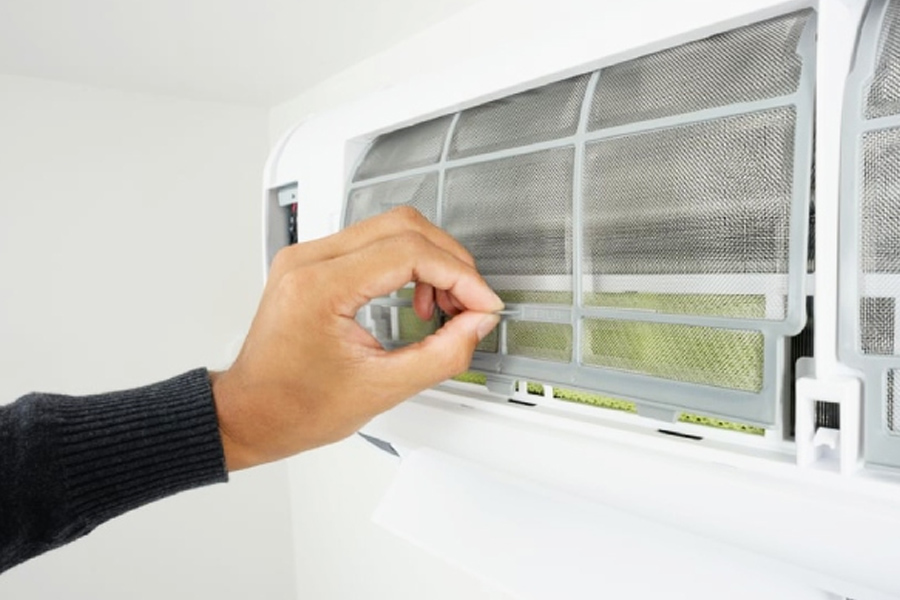
Technology alone does not guarantee success. Coil cleaning, filter replacement, and airflow sensor checks keep these systems running smoothly. Buildup can contaminate filters if ignored. Regular care keeps invisible intruders out, making the air lighter, cleaner, and more breathable.
Mastering Humidity as an Invisible Art
Though often overlooked, moisture levels greatly affect air quality. Even freshly filtered air can feel oppressive or irritating in high humidity. Humidity management is Coastal Heating and Air Conditioning’s main service, balancing comfort and protection.
Too much moisture attracts mold spores that hide in walls, carpets, and ducts. Too little causes skin dryness and static electricity, which are annoying but preventable. Technicians change thermostat algorithms, inspect condensate drains, and recommend humidity-control devices for each residence to maintain equilibrium. This precision creates a refreshing, healthy, and material-preserving environment.
Routine Maintenance: The Pulse of Clean Air
Airflow through coils, ducts, and filters gives each HVAC system a pulse. Lack of attention slows this rhythm, allowing hidden contaminants to multiply. Maintenance programs at Coastal Heating and Air Conditioning check every part to restore vitality. Filters, coils, ducts, and airflow are cleaned and adjusted.
This detailed maintenance extends system life and resets air quality. This home ritual prevents discomfort and serious health issues. Technicians examine each adjustment as part of a chain of cause and effect to ensure no detail allows dust or biological growth to compromise clean circulation.
Ventilation: The Pathway to Constant Renewal
Stagnation returns without ventilation, despite filtration and upkeep. All spaces are examined by Coastal Heating and Air Conditioning for air entry, movement, and escape. Homes with restrictive energy regulations may have limited ventilation, allowing pollutants to collect faster. It uses regulated ventilation to refresh air without reducing energy efficiency.
Fresh air replaces stale air through air exchange and vent control. Breaths are clearer and rooms feel lighter after the gentle movement. Balanced ventilation completes the air care ecosystem, ensuring regeneration in all spaces.
Energy Efficiency and Air Quality Harmony
Clean air and energy savings may appear as rivals, but they coexist beautifully when technology operates at its pinnacle. Coastal Heating and Air Conditioning designs systems to harmonize both goals. Energy-efficient components reduce excess heat generation and help maintain optimal humidity levels. At the same time, efficiency lessens strain on filters and fans, reducing dust accumulation and prolonging system life.
When energy use drops, airflow stability typically improves as the system cycles predictably instead of in abrupt bursts. The result is an environment that feels naturally consistent—no cold zones, no pockets of stale air, no sharp fluctuations. Homeowners notice improved comfort and smaller utility bills, a successful meeting point between sustainability and well-being.
Health Implications of Pure Indoor Air
Research on respiratory sensitivities and allergen exposure has strengthened the link between indoor air and health. Air-quality programs from Coastal Heating and Air Conditioning reinforce this idea: fewer allergens mean better focus, sleep, and health. Neutralizing irritants makes the home a calm recovery space.
Cleaner air benefits children, whose respiratory systems are more susceptible to contaminants. Filtered and humidified air helps sensitive people with chronic pain. Cleaner air benefits the home’s unsung occupants—materials, finishes, and furniture that decay in unhealthy air. As mold prevention reduces long-term allergen exposure, it also protects health.
Smart Integration for the Modern Household
Technology lets homeowners interact with air-quality systems dynamically. Awareness motivates action with smart thermostats, air-quality monitors, and connected filtration alerts. Coastal Heating and Air Conditioning uses such technology to monitor humidity and particulate levels in real time. Homeowners can preempt problems with these tips.
The philosophy behind this integration is empowerment. Instead of relying solely on annual servicing, homeowners gain visibility into their living environment every day. This collaboration between technology and expertise makes every occupant an active participant in sustaining breathable, balanced air.
FAQ
How frequently should air filters be replaced?
Filters should be checked monthly and replaced as soon as dust or discoloration is visible. Depending on system demands and household activity, replacement usually occurs every one to three months.
What signs indicate poor indoor air quality?
Increased allergy symptoms, frequent sneezing, lingering scents, and fast dust settlement after cleaning are indicators. Unexpected dampness may indicate air-quality issues.
How does professional maintenance differ from home cleaning?
Professional maintenance includes duct inspection, coil sanitation, airflow measurement, and equipment calibration. These procedures reach internal components inaccessible to standard home-cleaning methods.
Can balanced humidity reduce mold risks?
Yes. Mold will not grow in wet circumstances if indoor humidity is 30–50%. Balanced humidity prevents mold and freshens air.
Why is ventilation important even in energy-efficient homes?
Energy-efficient homes are usually sealed tightly to conserve heat and cooling energy. While beneficial for savings, this can trap pollutants inside. Proper ventilation restores the natural exchange of indoor and outdoor air while preserving efficiency.
Do smart controls help improve air quality?
Real-time monitoring and automation improve air quality management with smart controls. Based on sensor data, they alter ventilation, humidity, and filtration to match environmental changes.
Can air-quality improvements extend equipment lifespan?
Yes. Cleaner air reduces strain on fans, coils, and motors. With less dust and debris obstructing airflow, the entire system operates more smoothly, ultimately increasing its longevity.
Is professional air-quality testing necessary?
Regular professional testing shows particulate concentration, humidity consistency, and airflow performance. It reveals hidden issues that simple observation cannot, guiding accurate adjustments and maintenance.