The Rebirth of Everyday Structures
Towns and villages on Long Island are quietly renewing behind brick walls and stone walkways. Passersby may mistake routine maintenance for an evolving preservation and long-term care philosophy. In addition to fixing things, it honors endurance. Homeowners and builders are discovering that restoration can change neighborhood stories and façades.
Ecological awareness, market changes, and cultural respect for craftsmanship drove the evolution. Masons and artisans now preserve tradition with every mortar stroke. Masonry renewal, once considered repair work, now symbolizes duty and identity.
Everyday Homes, Extraordinary Improvement
In countless suburban blocks, mid-century homes are revealing their age. Yet beneath the familiar red brick and low roofs lies tremendous potential. Restoration on these properties is not cosmetic—it is transformative. Repointing joints and resetting bricks can revitalize façades and fortify structures against modern weather extremes.
Residents are opting to rejuvenate their homes rather than conceal their natural textures with synthetic materials. This embrace of authenticity fosters a deeper emotional tie to the landscape. When a family restores its fireplace or rebuilds its porch steps, it is expressing continuity with the builders who first shaped those homes decades ago.
Downtown Strength: The Foundation of Local Revival
Main streets in Long Island villages once showed fatigue after decades of use. Now, under the rhythm of restoration, they reclaim their earlier charm. Brick storefronts are not merely cleaned—they are healed. The sturdy lines of parapet walls and lintels reappear like restored brushstrokes in an architectural painting.
This continuity gives small business corridors renewed confidence. The work of repair often precedes energetic openings of cafés or art studios. Stabilized structures make it possible for creativity to flourish within safe and enduring spaces. These quiet repairs anchor community spirit; a solid wall becomes the canvas on which modern life is drawn.
Weathering the Unpredictable Climate
Temperature changes on Long Island are a subtle threat to its built environment. Freeze-thaw cycles damage mortar joints and brick layers’ microscopic gaps. Hairline fractures can become moisture routes after warm spells and unexpected cold.
Restoration professionals now plan with climate. Projects are timed around seasonal changes and use adaptable, resilient materials. Rebuilding a chimney or sealing a foundation is proactive fortification. Repair work is more precise due to awareness of nature’s rhythm, turning vulnerability into foresight.
Preservation as Modern Culture
Restoration appetite goes beyond practicalities. It changes cultural value perception. Repairing preserves memory and the skill in each brick.
Communities once eager for fast modernization are now slowing down, prioritizing cautious maintenance over large replacement. Porch walls, retaining barriers, and façades are being reinterpreted as living relics. A mended surface offers stories of storms survived and generations protected. The rising regard for masonry echoes wider societal changes: sustainability, authenticity, and patience are regaining their place in daily decision-making.
The Revival of Skilled Trades
Because of this restorative surge, skilled trades are back in the spotlight. Masons, stonecutters, and restoration experts are being recognized for their precision. Understanding historical materials and local building conditions is essential for any project.
Apprenticeships and training programs are quietly expanding on Long Island. Apprentices learn to balance beauty and engineering—the soft tap of a hammer aligning time-resistant angles. Structure repair is boosting craftsmanship’s cultural status. Every trowel mark signifies rejuvenation, every reinforced joint modern resilience.
Sustainability Through Longevity
Repairing rather than replacing supports more than architectural goals; it upholds environmental harmony. When homeowners decide to revive old stone walkways instead of importing new pavers, they reduce waste while preserving the embedded energy of original materials.
It fits a circular construction vision. Reuse and durability replace disposal. Restored buildings use fewer resources over decades, providing lasting beauty.
Property Value and Aesthetic Confidence
As Long Island’s markets become increasingly competitive, sturdy masonry carries significant influence. Buyers are not only impressed by surface beauty; they read craftsmanship as a sign of care. A house with stable walls and neatly repointed foundations feels inherently trustworthy.
This subtle psychology of perception reshapes investment patterns. Homeowners preparing to sell often commit to precise restoration rather than superficial upgrades. The result is an authentic aesthetic that commands confidence—clean lines of brickwork standing as quiet proof of responsible ownership.
Community Identity and Architectural Continuity
In many towns, local identity is intertwined with architectural texture. Brick storefronts along certain streets have witnessed decades of commerce and conversation. When masonry restoration rejuvenates these façades, it deepens that sense of belonging.
Collective pride grows as surrounding buildings improve. The unseen chain of shared preservation grows with each endeavor. The consistency of stone and brick against the changing world defines Long Island, not skyscrapers.
The Financial and Safety Dimensions of Preventative Repair
Masonry inspection has also gained importance in the regulatory and insurance context. Cracks or settling can prompt higher premiums and stricter inspections, encouraging owners to repair earlier rather than later.
Preventative reinforcement manages risk. Stabilised chimneys lessen fire risks, while sealed foundations prevent damp and costly interior damage. Maintenance that was formerly optional is now strategic defensive. Safe repairs save money and give piece of mind.
Outdoor Spaces as Extensions of Architecture
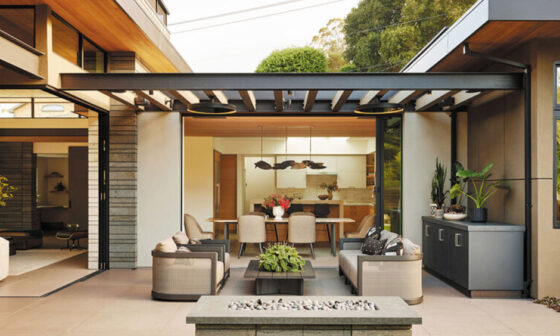
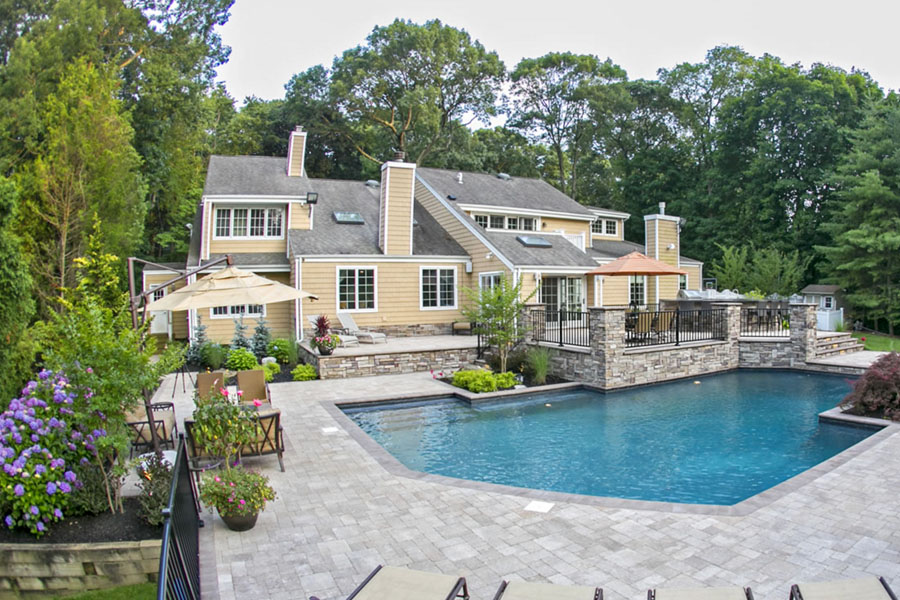
Long Island’s love for outdoor living has driven attention toward stone patios, walkways, and garden walls. These spaces act as open-air rooms, framing leisure and family activity. Restoring them renews harmony between built and natural environments.
Resetting weathered pavers and fixing stair risers keep these outdoor spaces appealing year-round. Under bare feet, weathered stone feels like a poem—the perfect balance of durability and comfort.
The Invisible Impact of Consistent Restoration
The public may not notice small neighborhood rehabilitation programs, but their effect compounds over time. The result is stronger foundations, safer chimneys, and weatherproof building shells.
This network of small, deliberate improvements strengthens the island’s architecture internally. The lack of spectacle is part of its charm; progress quietly behind the walls revives towns.
FAQ
What drives Long Island’s masonry renewal trend?
The movement stems from the convergence of aging building stock, climate challenges, rising property values, and growing respect for craftsmanship. Homeowners have shifted toward proactive maintenance that ensures longevity instead of reactive fixes.
How does restoration differ from simple repair?
Restoration involves not only fixing physical damage but also replicating original techniques, materials, and design intent. It preserves structural authenticity while addressing modern durability needs.
Why are skilled masons in higher demand now?
In residential and commercial markets, the necessity for skilled personnel who understand ancient building processes and precision material handling has expanded fast as homeowners value quality above shortcuts.
Is masonry restoration considered sustainable?
Yes. It extends material life, reduces waste, and minimizes new resource extraction. Restoring existing brick or stone structures supports ecological balance and local resilience.
How do restored masonry structures affect home value?
Properties with strong, well-maintained brickwork often attract higher buyer confidence. Stability and craftsmanship convey care, which enhances both aesthetic appeal and perceived worth.