Understanding the Need for Prescription Fluoride Treatments
Dental enamel is often described as the fortress that guards our teeth. Yet, daily exposure to acids, sugars, and bacteria slowly breaches its defense. While store-bought toothpaste with standard fluoride levels gives some reinforcement, it cannot always withstand persistent attacks. In many cases, individuals with dry mouth, receding gums, or frequent cavities require a stronger shield. This is where prescription-strength fluoride toothpaste such as Duraphat enters the dental arena.
Unlike regular formulas, Duraphat is designed with an intensified fluoride concentration capable of penetrating weakened enamel and rebuilding its foundations. The concept is simple yet profound: increase fluoride availability at the tooth surface so the enamel can resist acid erosion more effectively. Over time, the microscopic structure becomes harder, denser, and more resilient against decay.
The Role of Fluorapatite in Tooth Armor
An almost alchemical chemical transition powers Duraphat. Brushing with highly concentrated fluoride ions converts hydroxyapatite to fluorapatite on the tooth surface. Acid dissolves this new mineral form less. Imagine using tempered metal instead of permeable stone. Sugars and acids no longer crumble enamel, but it resists between cleanings.
Patients who have frequent “acid attacks” after meals or snacks need this protection. Saliva buffers, but many xerostomia sufferers lack it. Duraphat’s fluoride reservoir compensates for this deficiency and protects enamel in challenging oral environments.
Comparing Duraphat Formulations for Different Needs
Duraphat comes in 2800 and 5000 ppm concentrations. These statistics show toothpaste fluoride ion concentration per million parts. The lesser strength is for preventive care, while the higher concentration is for those with severe dental issues. Clinicians recommend versions based on age, dental history, and risk factors.
Young users at risk for cavities owing to diet or orthodontic appliances benefit from Duraphat 2800 ppm. Duraphat 5000 ppm restores decayed or exposed root surfaces. The selecting process is guided by professional evaluation for efficacy and safety.
Perfecting the Application Process for Maximum Protection
Using high-fluoride toothpaste requires special brushing. Fluoride ions must stay on teeth to react and strengthen mineral density. Best surface exposure is achieved by brushing three times a day with a two-centimeter paste strip.
After brushing, spitting without rinsing is crucial. Rinsing dilutes and removes the active fluoride before it bonds with the enamel. By keeping residual paste on the teeth, users allow slow penetration into microscopic defects. Likewise, avoiding food or drink for at least thirty minutes ensures the reaction remains uninterrupted.
This procedure may seem paradoxical given oral habits, yet it distinguishes therapeutic brushing from cosmetic cleaning. This minor change in behavior can boost therapeutic benefit.
Integrating Duraphat into Broader Oral Care
A prescription toothpaste functions best as part of a comprehensive oral strategy. Reducing sugar exposure frequency decreases acid generation, while interdental cleaning allows the fluoride compound to reach hidden surfaces often neglected by brushing alone. Those using floss or interdental brushes beforehand open passageways for fluoride ions to infiltrate vulnerable spaces.
Nighttime use enhances its worth. The fluoride-rich layer remains undisturbed for hours while sleeping due to decreased saliva flow. This covers teeth throughout the body’s extended sleep. Medical-grade toothpaste and good hygiene create a holistic approach that lasts for years.
Recognizing Professional Oversight in High-Fluoride Treatment
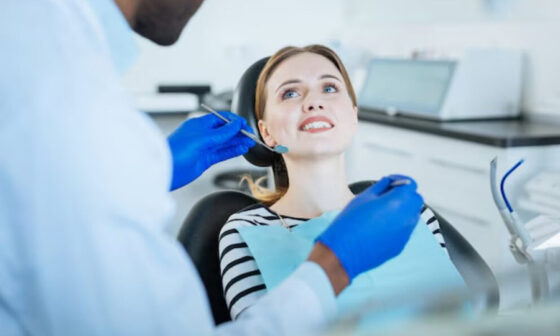
Prescription fluoride care demands medical supervision because improper usage or overexposure can cause adverse effects such as mild irritation. A healthcare provider ensures that dosage, frequency, and duration align with each patient’s dental condition. This oversight provides safety assurance and optimizes outcomes without unnecessary risk.
Professionally guided prescriptions deliver consistent results by aligning fluoride strength with real clinical needs. Patients confronting complicated oral health issues benefit from ongoing consultation that monitors enamel response and sensitivity levels.
Exploring the Broader Impact on Dental Confidence
Strong teeth influence more than physical comfort; they affect confidence and social expression. When enamel weakens, sensitivity to hot or cold beverages can overshadow daily routines. Consistent use of Duraphat gradually reduces these sensations. Reconstructed surfaces defend nerve endings and allow individuals to enjoy foods without discomfort.
Restoration goes beyond chemical—it changes a smile’s psychology. Brushing becomes a ritual that strengthens teeth and self-confidence.
FAQ
Can high-fluoride toothpaste be used without dental supervision?
No.Therapeutic fluoride in such toothpaste requires clinical oversight. Extreme fluoride exposure from unauthorized use can irritate oral tissues or cause other problems. Consultation ensures safe strength and duration.
What differentiates medicinal fluoride toothpaste from commercial brands?
Higher fluoride amounts in prescription formulations structurally alter enamel. Standard brands help with everyday hygiene but cannot fix cavities. Medicinal version is targeted therapy, not maintenance.
How long does a typical tube last with daily use?
Following a three-times-daily brushing schedule, one small tube usually provides around a month of treatment. Consistency is key because the enamel-building process requires cumulative exposure over weeks.
Can it alleviate the discomfort of temperature sensitivity?
Yes. High-fluoride toothpaste reduces sensitivity by strengthening and sealing root surfaces and porous enamel. It protects nerve channels from hot or cold foods.
What happens if the user forgets to avoid rinsing after brushing?
Rinsing immediately removes much of the fluoride before absorption occurs, diminishing effectiveness. Even though the occasional mistake may not reverse progress, repeated rinsing could slow or limit enamel strengthening.
Is fluoride toxicity a concern with these products?
Using as directed seldom causes toxicity. Application dosages are substantially below hazardous limits. Most problems originate from unintentional or unmanaged excessive doses.
Why does saliva volume affect fluoride performance?
Saliva naturally stabilizes and distributes fluoride ions in the mouth. That mechanism is absent in dry mouth, making enamel more prone to demineralization. Prescription toothpaste simulates protection by extending fluoride exposure.
How does brushing technique influence results?
Brushing gently but thoroughly distributes fluoride without damaging gums. Scrubbing vigorously can irritate tissues and abrade dentine on exposed areas. Even pressure and steady strokes optimize absorption coating.
Are there restrictions on food or beverage consumption after application?
Yes. Eating or drinking soon after brushing reduces fluoride retention. Maintaining a thirty-minute waiting period allows complete absorption into enamel surfaces.
Can this treatment complement professional fluoride varnishes?
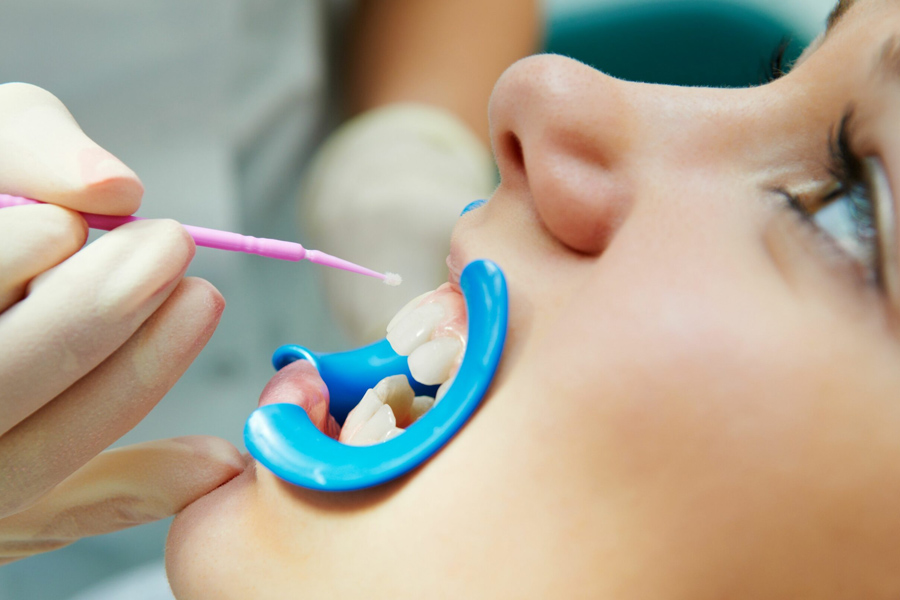
It can. Dental varnishes provide short-term fluoride exposure, while daily brushing provides long-term reinforcement. The combined approach protects immediately and continuously.
What determines when someone needs a stronger formulation?
Factors such as cavity history, gum recession, dietary habits, and medical conditions that reduce saliva guide strength selection. Professionals evaluate these elements before prescribing either moderate or high concentration variants.
How does fluoride impact bacteria populations in the mouth?
Fluoride interferes with bacterial metabolism, reducing their ability to produce acid. This suppresses plaque development and helps maintain a balanced microbial environment less conducive to decay.
Is long-term use safe?
Yes, with professional guidance. Chronic use preserves enamel. Prevention, not treatment, is the goal, and supervised use ensures safety forever.
What visible results can patients expect after consistent use?
Users often notice smoother tooth surfaces and a gradual reduction in sensitivity. In many cases, small incipient cavities halt their development. Over time, the overall feel of the enamel changes from porous to resilient, reflecting successful remineralization.