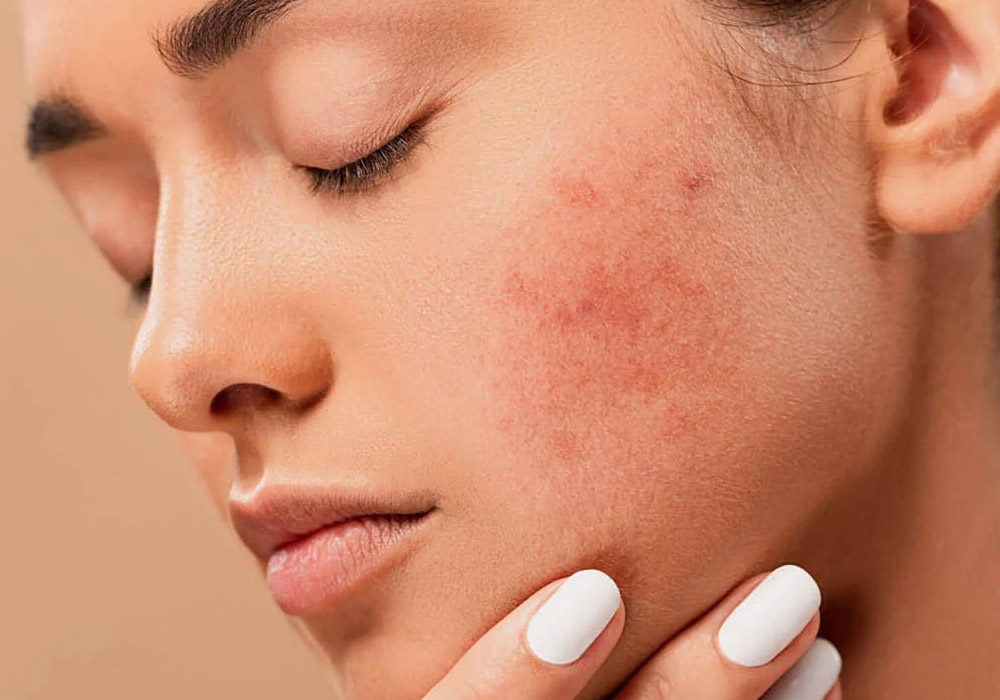
People who have sensitive skin are troubled with a dilemma more than the condition of their skin. The growing number of products available on the internet has a big role to play here.
Every time someone has an issue with sensitivity, they try out that miracle product everyone’s raving about on Instagram.
The end result? They end up with white patches that were hardly there a day ago. As a solution, they add another product on top, and the cycle keeps going on and on. Honestly? This can make you give up pretty soon. So, what’s the best way to do sensitive skin skincare?
It starts with knowing your skin barrier, what puts it in a compromised state, and what damages your nerve endings. So ingredients that don’t bother anyone else suddenly feel like sandpaper on your face.
But the good news is that you don’t have to swear off skincare forever. You just need to get pickier about what goes on your face. Below is a rundown of ingredients that dermatologists actually trust for sensitive skin skincare, plus a few you should probably steer clear of.
The Barrier Builders and Moisture Sealers for Sensitive Skin Skincare
These are the ingredients that basically rebuild your skin’s protective shield from the inside out. Think of them as patching up the cracks.
1. Ceramides
The brick-and-mortar analogy is very well-suited for barrier-first skincare. The skin cells are bricks and ceramides are the mortar that hold the brick infrastructure together so that it doesn’t leak out.
Ceramides help replenish what’s missing on your skin. That’s why aestheticians recommend using a ceramide-based moisturizer when you start to feel tightness on your skin. It might feel like a small win, but it matters in the long run.
2. Squalane
Not to be confused with squalene (the one without the “a”), squalane is a stable, shelf-friendly version of an oil your skin already makes naturally. Because it’s so similar to what’s already there, your skin tends to just absorb it without a fuss. No clogged pores, no weird reactions. It’s one of those ingredients for sensitive skin that just quietly does its job.
3. Glycerin
Glycerin doesn’t get nearly enough credit. Everyone’s obsessed with fancier actives, but glycerin is a humectant that pulls water into your skin and keeps it there. It’s also generally gentler than heavier hyaluronic acid formulas, especially if you live somewhere dry. Speaking of which, hyaluronic acid for sensitive skin can still work great; just look for lighter molecular weights if straight-up glycerin feels like overkill.
The Redness Relievers and Calming Agents
If your skin gets red easily, you will love this group of ingredients.
4. Colloidal Oatmeal
This is an ingredient that the FDA says is good for your skin. It has lots of stuff that helps calm down irritated skin. That is why you see it in many creams for eczema. If your skin is itchy or burning, colloidal oatmeal is a thing to have in your skincare routine.
5. Centella Asiatica (Cica)
You might also see this called tiger grass. It is really popular in skincare because it works so well. Centella Asiatica helps calm down skin and makes it heal faster. This is great if your skin gets irritated after using a product or after a facial treatment.
6. Niacinamide
Niacinamide is a good ingredient that does a lot of things. It helps your skin make more of the stuff it needs, calms down redness, and keeps your skin from getting too oily. The best part is that it does all this without irritating your skin as some ingredients can. If you are looking for ingredients for sensitive skin Niacinamide should be one of the top ones on your list.
The Gentle Protectants and Correctors
Sensitive skin still needs sun protection and the occasional bit of renewal. You just need to be careful about how you get there.
7. Zinc Oxide
Chemical sunscreens can sting on sensitive skin because they absorb UV rays and convert them to heat. Zinc oxide works differently. It sits on top of your skin and physically reflects UV rays away. It’s also naturally calming, which makes it a solid pick if you deal with redness or rosacea.
8. Azelaic Acid
Azelaic acid is a gentler alternative to harsher acids and retinoids. It helps fade dark spots, calms breakouts, and reduces redness without the peeling and stinging that stronger exfoliants can cause. A lot of people are surprised this one comes from grain, but it’s honestly one of the more underrated ingredients out there.
9. Panthenol
Also known as pro-vitamin B5, panthenol does double duty. It draws in moisture and smooths the skin at the same time, which helps raw or irritated patches recover faster. It shows up in a ton of formulas because, frankly, it’s hard to go wrong with it.
10. Allantoin
Allantoin comes from the comfrey plant and helps your skin shed dead cells more gently while holding onto moisture. It’s not flashy, but it’s reliable, and reliable is exactly what you want when your skin is already unpredictable.
Ingredients to Keep Off Your Radar
Now for the stuff to avoid. If you’ve been reacting to products and can’t figure out why, check the label for these first.
- Synthetic fragrances and essential oils. These are probably the single most common cause of irritation and contact dermatitis. Even “natural” fragrance can be a problem.
- Harsh sulfates, like sodium lauryl sulfate. They strip your skin’s natural oils, which is why your face feels tight and squeaky right after washing. That’s not a good sign, by the way.
- Denatured alcohol. It dries out the surface of your skin fast, and over time that leads to cracking and more sensitivity, not less.
Building a Routine That Actually Works
The best advices for someone who’s planning to improve their sensitive skin skincare routine starts with understanding the skin barrier. Next, it’s about trimming the solution part down to a mini routine that doesn’t involve using eight or ten products.
You make a big improvement simply by understanding that you need a simple cleanser, moisturizer, and sunscreen. The rest of the process is layered on top.
Never be afraid to start small. Add one new product to the list at a time, and you can actually tell what’s happening and what’s not. Give yourself a few weeks before you decide whether it’s working or not. Skin barrier takes time to heal, so patience is a must.
What’s your go-to ingredient for calming down sensitive skin? I’d love to hear what’s worked for you; drop it in the comments.