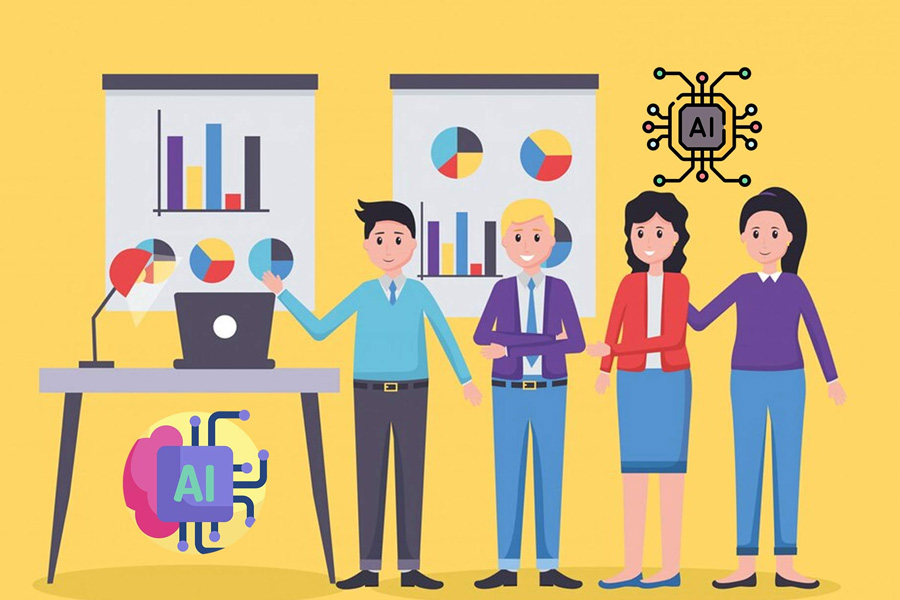
Understanding the Modern Sales Landscape
The rhythm of business today moves faster than ever. Customers have abundant choices, vast information, and limited patience. Sales teams battle these forces daily while trying to secure meaningful conversations and close deals efficiently. In this world, relying on instinct or traditional methods is often not enough. What businesses truly need is a structured approach that unites technology, process, and people—the essence of sales enablement.
Sales enablement connects a company’s goals to its market execution. It gives every salesperson the proper tools, data, and insights. They pursue leads purposefully, not mindlessly. This system drives strategy and operations as the organization’s revenue engine when it operates properly.
Why Enablement Drives Sustainable Growth
Business growth goes beyond sales. About selling smarter. Inefficiencies can increase without a standardized sales structure. Data may spread between platforms, sales messaging may become inconsistent, and key opportunities may be missed. A solid enabling framework aligns everything.
This engine uses sales acceleration, automation, and analytics. They shorten the sales cycle and give teams prospect and competitor intelligence. Leaders may anticipate trends, predict customer behavior, and create personalized communication strategies by understanding these information.
The beauty of enablement lies in its adaptability. A small start-up can deploy lightweight solutions to monitor engagement, while a multinational enterprise can integrate complex systems that manage global performance. No matter the scale, the principle remains identical: empower the seller so the buyer feels understood.
Data as the Guiding Light
For decades, sales decisions were based on intuition. Representatives assumed experience would show what works. Data today performs that duty precisely and deeply. Analytics reveal customer behavior, market reactions, and product demand from random numbers.
When data flows freely within a sales organization, it acts as light inside a tunnel. Every step becomes deliberate. Managers identify where conversions drop and can instantly adjust messaging or training. Reps track which type of content resonates most and tailor their approach. Even forecasting becomes more reliable because decisions rely on evidence rather than speculation.
Yet, data by itself is just potential energy. Its power appears when enablement systems translate it into actionable insights. A dashboard showing how clients interact with email campaigns or online demos gives clarity to improve timing and technique. It is not about drowning in spreadsheets but about finding patterns that guide better behavior.
Automation: Freeing Time for Human Interaction
Automation sits at the heart of modern sales acceleration. It does not replace creativity or empathy. Instead, it removes redundant tasks that consume time and dilute focus. Every repetitive process that can be executed by software allows humans to do what they do best—connect, persuade, and build trust.
Lead scoring algorithms, automated follow-ups, and CRM connection help salespeople act when needed. A properly setup system can notify a representative when a potential buyer watches a product demo or downloads a brochure. Salespeople react to real-time interest rather than guessing.
In this sense, automation is like having a silent assistant who never tires. It keeps the rhythm steady so the orchestra—the sales team—can perform flawlessly without losing tempo.
Accuracy That Shapes Competitive Advantage
Business success requires precision. A wrong sales prediction can affect production, logistics, and finance. Reliable information drives enablement systems’ decisions.
Analytics insight is accurate if it matches reality. It targets the proper audience and meets real needs. Risk is reduced and performance improved when a corporation plans using credible data. Accurate tools prevent overpromising and underdelivering, preserving customer relationships.
Companies should test, validate, and improve their enabling systems. A little technological fault or dataset mismatch can affect predictions and strategy. Vigilance maintains integrity, which develops credibility—a currency that successful firms trade.
The Human Element in Sales Enablement
Despite the focus on technology, sales are still human. Tools guide relationships, but effort and creativity give them substance. Sales enablement ensures reps are confident and ready before every interaction, strengthening that human focus.
Training programs embedded in enablement frameworks help individuals master new tools and communication techniques. Teams that embrace continuous learning evolve faster and adapt to changing market conditions effortlessly. Collaboration platforms allow cross-functional sharing of experiences, nurturing unity and innovation.
In reality, enablement changes selling culture. It promotes curiosity, excellence, and departmental trust. A company that views its sales process as a live system where technology and people adapt stays competitive.
Balancing Cost and Impact
Sales enablement has clear benefits, but cost often drives adoption. Businesses must evaluate which solutions fit their size and goals. Overspending on advanced tools that are underused frustrates rather than advances. Investing too little may slow the system.
Decision-making proportionality is crucial. Assess your financial capabilities, growth direction, and sales complexity. Choose solutions that integrate well into existing platforms and increase performance. The return on investment usually comes from faster transaction closing, improved forecasting, and happier customers.
Enablement is not an expense—it is an ecosystem. It generates long-term value when deployed strategically with financial discipline.
Integration and Collaboration Across Teams
Sales rarely operates alone. Marketing, customer service, and product development affect buyer experience. Data and goals link these functions in an effective enablement strategy.
Marketing analytics about content success can guide sales interactions, and post-purchase support comments can improve demos. Enablement platforms remove departmental barriers. The business works together to improve.
Smoother communication, consistent messaging, and a more authentic customer presence result from this integration. It helps the company seem organized and reliable, which clients value when buying.
FAQ
What distinguishes sales enablement from sales training?
Sales training focuses on teaching selling techniques and product knowledge, while enablement provides the infrastructure and resources that support those activities. Enablement combines tools, data, and processes to help sales professionals apply training effectively in real-time situations.
How can small businesses benefit from enablement systems?
Smaller organizations can use scaled-down versions of enablement platforms to streamline data management and automate routine tasks. These systems eliminate inefficiencies that often slow smaller teams, allowing them to compete with larger entities through agility and precise targeting.
What role does automation play in maintaining customer relationships?
Automation assists in maintaining consistent communication and follow-up without missing opportunities. It helps personalize outreach at scale and ensures customers receive timely information, promoting trust and stronger relationships.
Why is data accuracy crucial for sales decisions?
Leaders can make informed forecasting, product, and customer engagement decisions with accurate data. Misinformation can cost money and damage relationships. Reliable data stabilizes and protects the entire company.
Can enablement tools adapt to evolving markets?
Yes, most modern systems are designed for flexibility. They offer adjustable features, analytics dashboards, and integrations that can be updated as market trends shift. This adaptability ensures that the business remains responsive and competitive amid change.