Shaping a New Era of Home Climate Control
The adoption of heat pump technology marks a major turning point in how households manage temperature, energy costs, and environmental impact. While traditional systems often run on combustion-based heating or power-hungry cooling, modern heat pumps move heat where it is needed most. This shift is not only technological but cultural, signaling a collective move toward responsible energy use and smarter home design.
The rising number of installations in Ottawa and North America shows that home comfort and sustainability can coexist. Many builders, architects, and homeowners now view heat pumps as essential home infrastructure rather than a luxury option.
From Concept to Comfort: How Heat Pumps Work
Heat pumps transmit heat, not generate it. They bring heat from the air, ground, or water within using modern compressors, refrigerant lines, and exchangers. Summer reverses the process, releasing interior heat outside.
Heating and cooling are blurred by this dual function. One gadget controls house climate without multiple devices, responding to seasonal changes. A well-installed heat pump manages home comfort silently and tirelessly.
Design Diversity Across Systems
Three primary platforms underpin today’s installations: air-source, ground-source, and water-source systems. Each one offers distinct advantages depending on geography, property type, and budget.
Air-source pumps are the most prevalent and can work in cold areas using inverter technology. Ground-source, or geothermal, systems use consistent underground temperatures for year-round efficiency. Water-source systems, albeit rare, work well when surrounding water bodies produce consistent thermal energy.
By tailoring system type to its environment, installers achieve an elegant balance between technology and nature.
The Efficiency Equation
Few upgrades influence both comfort and energy consumption as dramatically as a heat pump. When integrated into a well-insulated home, these systems often cut power use substantially while maintaining consistent indoor temperatures. Every watt of electricity powers a cycle that yields two to three times as much heating or cooling energy delivered inside the home.
Heat pumps, energy-smart windows, updated thermostats, and improved building envelopes add to this efficiency curve. A thermal symphony of components conserves energy while playing in the living area.
The Financial Value of Comfort
Cost reductions typically determine homeownership. The initial investment in installation pays off quickly through cheaper utility bills and equipment maintenance. Long-term resilience increases as homes use fewer moving parts and a single effective temperature control system.
For electricity-based households or those previously heated by propane or oil, the annual savings can be transformative. Homeowners frequently note a tangible difference not only in costs but in comfort consistency, with fewer temperature fluctuations and improved air quality.
The economic equation increasingly favors investment in advanced systems, supported by widespread incentives that reduce the initial cost barrier.
Environmental Progress at Home
The environmental case for heat pumps is global and local. Reduced fossil fuel dependence reduces household carbon output. The shift changes energy profiles across regions, reducing emissions from residential heating and cooling, a major contributor to climate change.
Synergy increases as renewable energy sources supply more grid energy. Solar and wind power make heat pumps more environmentally friendly, turning homes into climate restorers. Each installation advances a larger balance between human need and environmental stewardship.
Governmental Support and Incentive Programs
Many governments now directly support homeowners pivoting to cleaner technologies. Rebates, grants, and tax credits align perfectly with national sustainability goals and personal financial benefit. By easing the initial financial commitment, institutions bridge the gap between awareness and action.
Wide assistance is available. From large percentage-based credits to municipality-level rebates, the goal is to make energy-efficient living affordable for all income levels. Cloud-based monitoring tools and financial incentives allow homeowners to track their savings in real time, boosting their choice.
Overcoming Barriers in Installation
The biggest hesitation often lies in perceived complexity. Questions arise around installation in older structures, small properties, or apartment settings. Yet advances in design and flexible system development have dissolved many of these limitations.
Slimline outdoor units, variable refrigerant flow systems, and ductless configurations allow retrofitting most homes. Floor plans, insulation levels, and climate data are mapped by experts to optimize layouts. Previously difficult engineering problems are now simpler.
Heat Pumps as a Benchmark for the Future
Municipal projects and urban developments are beginning to treat heat pumps as the new standard rather than an alternative. Several cities have rolled out large-scale initiatives to normalize installation across both social and private housing. These efforts create clusters of energy-efficient neighborhoods, where heat pumps are as common as standard HVAC units once were.
Ripple effects go beyond home comfort. Cleaner air, decreased regional energy consumption, and higher property prices benefit society. Each exhibit shapes urban design.
The Everyday Experience of Homeowners
Beyond numbers and metrics lies the human aspect. Residents often describe a newfound consistency in temperature and air quality after making the switch. Gone are the sharp drops and spikes that typified older systems. Indoor environments become more serene, with quiet operation and balanced airflow enhancing the rhythm of daily life.
This comfort transcends seasons, eliminating the need for thermostat adjustments. People say their homes “breathe” better, a fitting metaphor for technologies that work with the environment rather than against it.
The Evolution of Market Demand
Demand drives innovation as consumers choose efficiency and sustainability. Manufacturers heavily invest in software-integrated control systems, smart thermostats, and AI-based performance monitoring. Future heat pumps may learn occupant habits to maximize output with predictive algorithms.
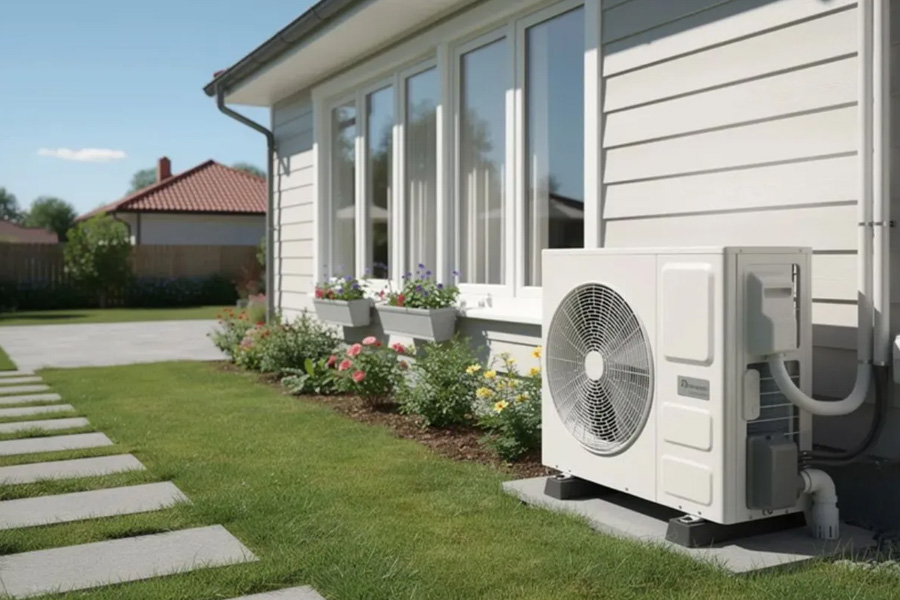
Even design aesthetics are evolving. Modern units often blend into architectural forms rather than disrupt them, proving that technology and design can coexist beautifully. Heat pumps are quickly shifting from a behind-the-scenes component to a centerpiece of contemporary housing technology.
FAQ
How long does a typical heat pump last?
Effective heat pumps last 15–20 years with proper maintenance. Installing correctly, changing filters regularly, and having technicians check refrigerant levels and airflow can extend lifespan.
Can a heat pump work effectively in cold climates?
Modern devices can withstand subzero temperatures. Variable-speed compressors and upgraded refrigerants remove heat from cold air, delivering consistent winter heating.
Is installing a heat pump complicated for older homes?
Retrofits are increasingly practical due to flexible system types and compact designs. Professional installers conduct home energy assessments to determine the most efficient configuration without major structural changes.
What maintenance do heat pumps require?
Simple maintenance includes cleaning filters, clearing outdoor units, and annual professional efficiency factor inspections. Long-term savings and comfort come from proper maintenance.
Does investing in a heat pump increase property value?
Yes. Energy-efficient systems are valued by modern buyers. Heat pump homes sell faster and for more because buyers appreciate lower running costs and carbon output.