Replacing the windows in your home is not just a renovation project; it is an investment that improves your property’s energy efficiency, elevates curb appeal, and can even boost your home’s overall value. For homeowners planning upgrades, understanding what goes into window replacement and installation costs in West Springfield, MA, is essential to making informed decisions and budgeting effectively.
Whether you are looking to replace a single window or upgrade your entire home’s windows, several factors come into play. From material selection and window type to installation complexity and local regulations, being equipped with this knowledge helps you avoid surprises and prioritize your project with confidence. This guide explores the range of costs, the impact of materials and labor, and the considerations that matter most throughout the window replacement process.
West Springfield homeowners have special considerations, such as weather and local building codes, which can influence both price and product choice. When you account for these elements from the outset, your window project becomes far more manageable, and you set yourself up for satisfying results that last.
Proper planning for window replacement means not just preparing for expenses upfront but also focusing on long-term benefits, such as reduced utility bills, improved comfort, and greater resale value. Educating yourself about available options and knowing how to select a reputable contractor are crucial steps before you start your project.
Average Costs of Window Replacement
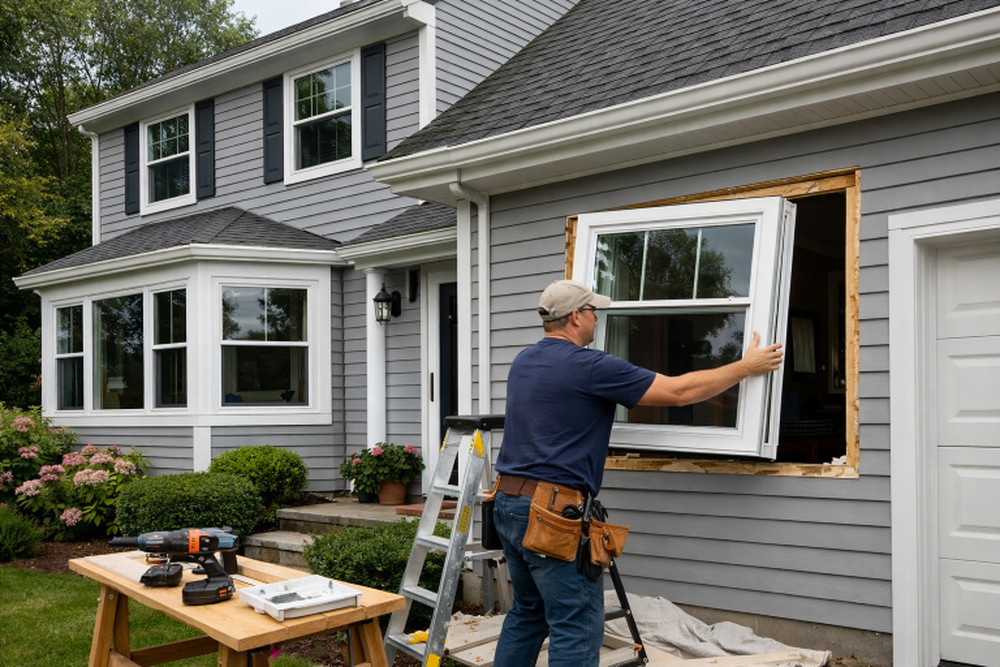
For West Springfield residents, the average cost to replace a window ranges between $401 and $466 per unit, including both materials and labor. This range typically covers the installation of standard double-hung windows, which are common in residential homes. Custom or larger windows, such as bay or bow windows, can exceed this average due to additional material, specialized manufacturing, or more complex installation needs. Costs can also rise if your home’s structure requires modifications or you need to upgrade to higher-end finishes.
If you plan a larger-scale project involving every window in a typical family home, the total cost can increase significantly. It is best practice to obtain several quotes to compare product and installation costs and to ask suppliers for detailed breakdowns so you can anticipate any extra expenses.
Factors Influencing Window Replacement Costs
Multiple variables determine the final bill for window replacement. Understanding these factors can help you make smarter choices that align with your budget and preferences:
- Window Size and Type: Larger windows or specialty windows are generally more expensive because they require more materials and labor. Features like bay, bow, or picture windows may require additional framing or support.
- Frame Material: Different materials like vinyl, wood, or fiberglass influence not only the initial cost but also long-term maintenance.
- Glass Type: Double-pane or triple-pane windows are more energy-efficient but costlier than single-pane options. Special glass coatings or gas fills can further raise the price.
- Installation Complexity: Projects requiring structural modifications, repairs to surrounding walls, or the replacement of old or damaged frames increase labor and material costs.
Material Options and Their Impact on Pricing
The materials you select play a key role in determining your window replacement budget. Each option brings different advantages, lifespans, and maintenance needs:
- Vinyl: Known for affordability and low upkeep, vinyl windows typically range from $200 to $600 per window. They resist moisture but may not match the look of more traditional materials.
- Wood: Prized for natural beauty and insulation, wood windows usually cost $500 to $1,200 per window. They require routine maintenance to prevent rot or warping but can significantly enhance curb appeal.
- Fiberglass: Durable and offering great thermal performance, fiberglass windows are often priced between $500 and $900 each. They resist warping and expansion better than wood or vinyl, making them well suited for regions with temperature extremes.
As you choose, consider your goals for appearance, energy savings, weather resistance, and ongoing upkeep to find a solution that fits your home.
Energy Efficiency and Return on Investment
Upgrading to energy-efficient windows can yield substantial long-term savings on your utility bills. Modern energy-efficient windows include features such as low-E coatings and argon gas fills, enhancing thermal insulation and helping your home maintain stable indoor temperatures throughout the year. According to the U.S. Department of Energy, switching from single-pane to energy-efficient windows may save homeowners from $126 to $465 annually in energy costs.
In addition to direct cost savings, energy-efficient windows can make your home quieter and more comfortable, increase its resale value, and even qualify you for local or federal incentives. You can read more about home improvement rebates and energy-saving benefits at the official Energy Saver site.
Choosing the Right Contractor
A high-quality installation ensures your windows function as intended, last longer, and provide maximum efficiency. When searching for a contractor, look for credentials such as state licenses and proper insurance. Reading online reviews, talking to past customers, and comparing detailed written estimates can help you choose a professional with a history of satisfied clients. Never be afraid to ask questions about warranties, installation processes, and who will handle permit requirements.
Permits and Regulations in West Springfield
Before beginning any replacement work, check the specific permit requirements for your town or city. In West Springfield, certain window projects may require permits to guarantee compliance with safety and building regulations. Failing to secure proper approval can result in fines or project delays. Consult the West Springfield Building Department or your contractor to verify your obligations and to ensure your project meets all local codes and standards.
Financing Options for Window Replacement
The cost of replacing several windows can add up fast, but a variety of financing solutions are available to help homeowners manage these expenses over time:
- Home Equity Loans: Tap into your home’s equity for low-interest funding, ideal for large-scale improvements.
- Personal Loans: These loans do not require collateral and may be easier to qualify for, although rates can vary.
- Manufacturer Financing: Many window companies offer their own payment plans, often at competitive interest rates or with promotional incentives.
Check for regional or federal rebate programs for energy-efficient window upgrades, as these can reduce your upfront cost or provide future tax credits.
Conclusion
Window replacement is a valuable investment for homeowners in West Springfield, MA. By understanding the primary cost factors, material options, and benefits of energy efficiency, you can make well-informed choices for your property. Always select a certified contractor and ensure compliance with all permits and regulations for a smooth, successful project. With thoughtful planning, you can enhance your home’s aesthetic, efficiency, and value while staying within your budget.