Key Takeaways
- Oral health supports comfortable eating, clear speech, sleep, and everyday confidence.
- Brushing, cleaning between teeth, balanced food choices, and routine dental visits help prevent many common concerns.
- Bleeding gums, persistent bad breath, tooth pain, and changes in the bite deserve timely attention.
- Dental care is part of a broader wellness routine, but it does not replace regular medical care.
In Venice, Florida, an oral wellness plan can make day-to-day life more comfortable, whether it helps someone enjoy a family meal, stay hydrated during a warm afternoon outdoors, or smile without worrying about tooth pain. For readers looking for a local dentist Venice FL patients can contact, Tarpon Shores Dental provides a Venice office resource describing its general, cosmetic, and restorative services, along with appointment information for people in Venice and nearby Southwest Florida communities.
Healthy teeth and gums are about more than appearance. The mouth is involved in eating, speaking, breathing, and expressing emotion. A small issue, such as sensitivity or a rough filling, may become disruptive when it affects sleep, concentration, or the ability to choose nourishing foods comfortably.
Why Oral Health Belongs in a Wellness Plan
Dental care and medical care have different roles, but both can support a person’s quality of life. Cavities, gum disease, dry mouth, worn teeth, and missing teeth can make ordinary routines harder. Keeping up with preventive care may help identify concerns while they are still smaller and easier to discuss with a dental professional.
It is also wise to avoid drawing conclusions from a single symptom. For example, bleeding gums can result from gum inflammation or irritation, but a dentist can evaluate the mouth while a physician can address broader medical concerns when needed. The connection between oral health and daily well-being is one reason oral care deserves a place alongside nutrition, movement, rest, and routine health visits.
Daily Habits That Protect Teeth and Gums
A dependable routine does not have to be expensive or complicated. Focus on habits that can be repeated every day:
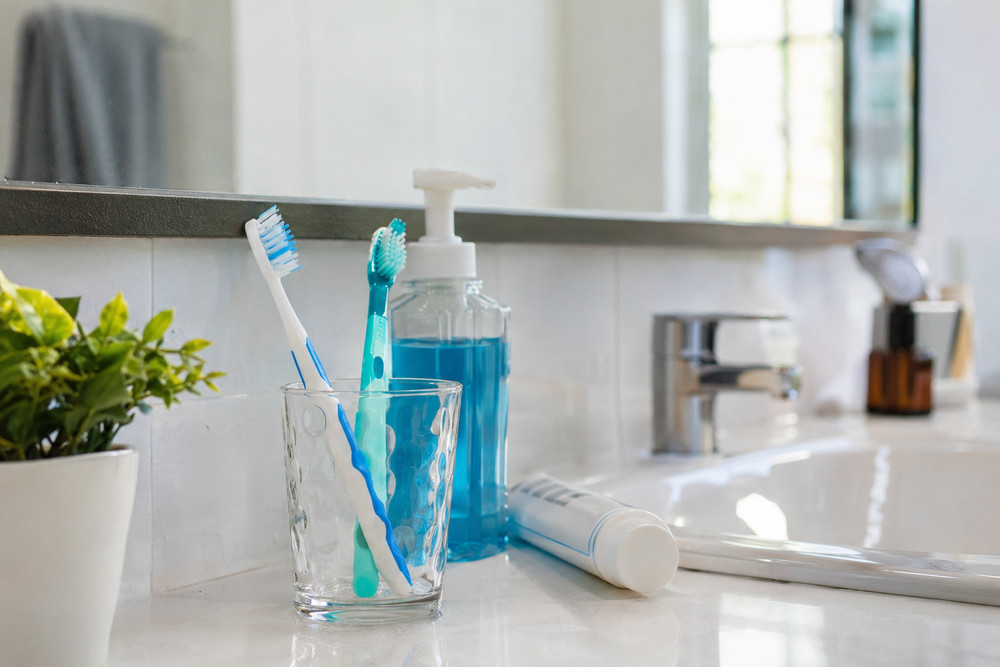
- Brush twice daily for about two minutes using fluoride toothpaste.
- Choose a soft-bristled toothbrush and use gentle pressure along the gumline.
- Clean between teeth once each day with floss or another tool recommended by a dental professional.
- Drink water regularly, especially after meals or sweetened drinks.
- Replace a toothbrush or brush head when bristles look worn or spread out.
- Use mouth rinse only as directed on the label or by a dental professional.
How Food and Drinks Affect Oral Health
Frequency matters. Repeatedly sipping soda, sweetened coffee, sports drinks, juice, or other sugary beverages can expose teeth to sugar and acid for longer. When possible, enjoy these drinks with a meal rather than carrying them for hours, then choose water afterward.
Balanced meals can support both oral and general wellness. Water, dairy products, crunchy vegetables, nuts, and foods that require chewing can fit into many eating patterns. After vomiting or consuming something highly acidic, rinse gently with water first. Brushing immediately may be uncomfortable for softened enamel, so ask a dental professional about the best routine for your situation.
Gum Health and Signs That Need Attention
Gum disease can develop with little discomfort at first, which makes consistent home care and professional evaluations important. Schedule a dental appointment if you notice recurrent bleeding when brushing or flossing, red or swollen gums, persistent bad breath, gums pulling away from the teeth, loose or shifting teeth, pain when chewing, or changes in the fit of dentures or other appliances.
According to information on gum disease symptoms and prevention, plaque that is not removed daily can harden into tartar, which requires professional cleaning. Tobacco use, certain health conditions, medications, and aging can also affect a person’s risk, so share relevant health updates with the dental team.
What Routine Dental Visits Can Catch Early
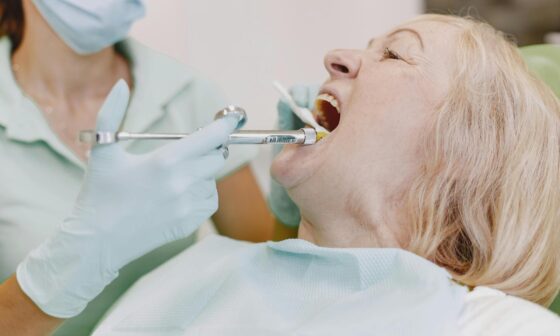
A dental visit can include more than a cleaning. Depending on individual needs, an exam may help identify small cavities, early gum inflammation, cracked or worn teeth, changes around fillings or crowns, dry mouth, bite concerns, and unusual tissue changes that need follow-up.
There is no single visit schedule that fits every person. Age, past decay, gum health, medications, orthodontic treatment, tobacco use, and other risk factors can affect how often someone should be seen. Follow the interval recommended by the dental professional who knows your history.
Making Dental Care Easier for the Whole Family
- Use a shared calendar for cleanings, exams, and follow-up appointments.
- Tell the dental team about new medications, allergies, diagnoses, and past treatment concerns.
- Bring written questions, especially when discussing treatment choices or costs.
- Help children practice a predictable morning and bedtime brushing routine.
- Offer older adults support when arthritis, limited mobility, memory changes, or dry mouth make home care more difficult.
How to Choose a Dental Office in Venice
Choose an office based on communication, comfort, and the services your household may need. Look for clear explanations of preventive, general, restorative, and cosmetic care. Before scheduling, ask about location, office hours, accessibility, insurance participation, payment policies, urgent concerns, and treatment follow-up. A respectful team should be willing to explain findings in plain language, particularly for patients who feel nervous about dental visits.
Questions to Ask Before Starting Treatment
- What problem are we treating, and what are the goals?
- What could happen if treatment is delayed?
- Are there reasonable alternatives?
- How many visits and what type of aftercare may be needed?
- What costs may be involved, including potential insurance coverage?
- What habits or follow-up care can help prevent the problem from returning?
Common Questions About Oral and Whole-Body Wellness
Can dental problems affect daily life?
Yes. Pain, gum irritation, missing teeth, or poorly fitting appliances can affect eating, sleep, speech, focus, and confidence.
Does bleeding when flossing always mean gum disease?
No, but repeated bleeding should not be ignored. A dental professional can determine whether inflammation, plaque buildup, brushing technique, or another issue may be involved.
Can a dental visit replace a medical checkup?
No. Dental and medical visits serve different purposes, although both may be important when a health concern needs follow-up.
Small Habits Can Support Better Health
Oral wellness does not require a perfect routine. Consistent brushing, daily cleaning between teeth, thoughtful food and drink choices, regular dental visits, and early attention to symptoms can make care more manageable over time. The best plan is one that fits each person’s health needs, comfort level, budget, and stage of life.