In Minnesota, plumbing maintenance is about more than stopping an occasional drip. Long freezes, quick temperature swings, and the everyday wear of an older home can turn a small fixture problem into water damage that affects floors, cabinets, ceilings, and belongings. A simple routine helps homeowners catch warning signs before they become urgent.
Whether you live in Minneapolis, St. Paul, or a surrounding Twin Cities community, it helps to know which tasks are safe to handle yourself and when it is time to call a professional, such as Twin Cities Premier Plumbing. Regular checks take only a few minutes and can make a major difference when winter weather arrives.
Why Small Plumbing Issues Grow
A slow leak is easy to overlook because water does not always stay where it starts. It can run along pipes, behind a cabinet wall, beneath flooring, or through a ceiling cavity before becoming visible. By then, the homeowner may notice staining, soft materials, musty odors, or warped finishes rather than the original source of the leak.
Older Minnesota homes can be especially vulnerable to aging shut-off valves, corroded fittings, worn toilet parts, and tired appliance hoses. Household leaks can waste thousands of gallons of water annually, and they may also raise utility costs or damage building materials. The earlier a problem is found, the more limited the repair is likely to be.
Monthly Plumbing Checks Every Homeowner Can Do
Set aside a few minutes each month for a quick inspection. Keep a flashlight and several dry paper towels nearby, since a paper towel can reveal slight moisture at a connection that is difficult to see.
- Look under kitchen and bathroom sinks for damp cabinet bottoms, stains, or swelling.
- Check around toilet bases for moisture, movement, or soft flooring.
- Listen for a toilet that refills when nobody has flushed it.
- Inspect visible supply lines for rust, cracking, bulges, or drips.
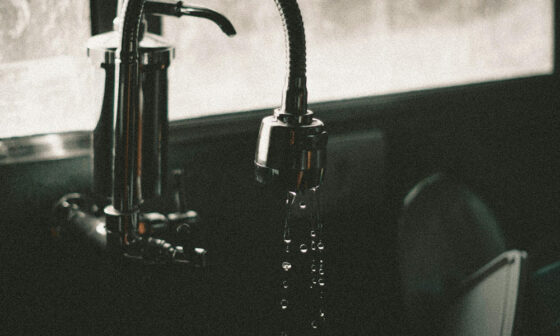
- Watch for dripping faucets, loose handles, and mineral buildup around spouts.
- Walk through the basement, laundry area, and utility room to look for standing water or unusual dampness.
How To Find Hidden Leaks
Check the Water Meter
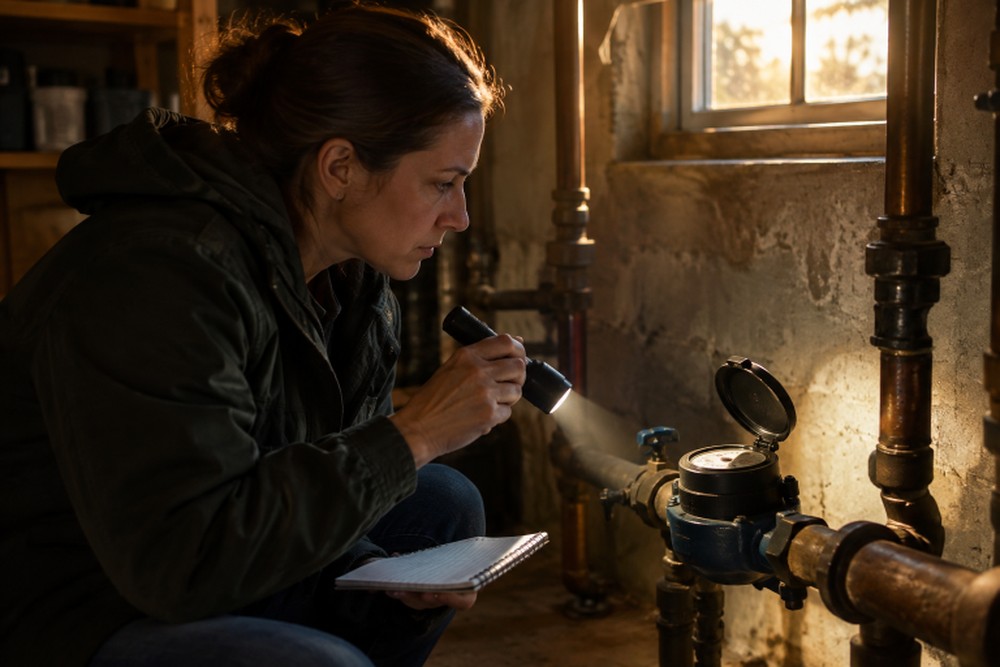
Turn off faucets, irrigation, appliances using water, and ice makers if possible. Record the water meter reading, avoid using water for about two hours, then check it again. A changed reading may indicate that water is moving somewhere in the system and deserves further investigation.
Compare Water Bills
Compare a recent bill with the same period from the previous year rather than relying on one month alone. A meaningful unexplained increase can point to a running toilet, a leaking supply line, an appliance connection issue, or an underground leak. Changes in household size, irrigation use, or guests should also be considered.
Use Leak Detection Technology
Moisture sensors can alert you to water beneath a sink, near a water heater, or beside a washing machine. Flow-monitoring devices can also identify irregular water use, and the EPA explains how leak detection and flow monitoring devices use moisture or flow information to help homeowners recognize potential problems.
Protecting Pipes During Minnesota Winters
Cold weather demands extra attention, particularly for pipes in garages, basements, crawl spaces, exterior walls, and cabinets near outside walls. Disconnect garden hoses before freezing temperatures arrive, and close the indoor shut-off for an exterior faucet if your home has one. Drain the outside line when the fixture design allows it.
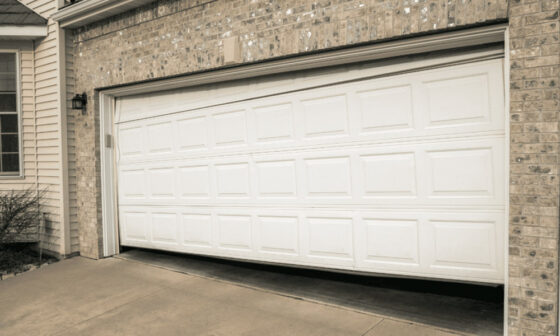
- Keep garage doors closed when plumbing lines run through the garage.
- Open sink cabinet doors during severe cold so warmer room air can reach nearby pipes.
- Insulate accessible exposed pipes in unheated or poorly heated spaces.
- Keep indoor temperatures steady, including when traveling.
- Locate and label the home’s main water shut-off valve before an emergency occurs.
A frozen pipe may not reveal a split until the ice thaws and water begins flowing again. Never use an open flame to thaw plumbing. If a pipe is frozen, inaccessible, visibly damaged, or located near electrical wiring, arrange for safe professional help.
Simple Water Heater Care
Water heaters deserve routine visual attention because a small leak at a fitting can progress without much warning. Look around the tank, drain valve, connections, and nearby floor for moisture or corrosion. Notice whether hot water runs out faster than usual or whether the unit begins making unfamiliar popping, rumbling, or banging sounds.
Keep stored items away from the appliance so fittings and controls remain accessible. Follow the manufacturer’s maintenance instructions, especially before attempting flushing or valve testing. A water heater that leaks from the tank, shows substantial corrosion, or performs poorly should be evaluated promptly. Replacement decisions depend on the condition, age, fuel type, and repair history.
Toilets, Faucets, and Shut-Off Valves
Test Toilets for Silent Leaks
Add a few drops of food coloring to the toilet tank, then wait about 10 minutes without flushing. If color appears in the bowl, the toilet may have an internal leak, often involving the flapper or another tank component. Flush afterward to clear the dye.
Watch for Faucet Problems
Check for drips at the spout, water around the base, mineral buildup that restricts flow, and dampness below the sink. Tightening a loose connection may help in limited situations, but overtightening can damage fittings or seals. If the source is not obvious, stop before turning a minor repair into a larger leak.
Exercise Shut-Off Valves Carefully
Learn which valves control each sink, toilet, appliance, and outdoor faucet. If a valve feels stuck, leaks when moved, or will not fully close, do not force it. A weakened valve can fail when handled roughly, especially if it has not been operated for years.
When To Call a Licensed Plumber
Basic observation and minor upkeep are useful, but some symptoms call for professional diagnosis. Contact a licensed plumber when a pipe is actively leaking, and a shut-off will not stop it, several drains back up together, water stains appear on walls or ceilings, sewer odors enter the home, or water pressure changes without a clear explanation.
Also seek help for a leaking water heater tank or relief valve, a suspected split frozen pipe, or a main shut-off valve that does not work. In an active leak, shut off water if you can do so safely, keep electricity away from flooded areas, move valuables, and document visible damage for insurance purposes.
A Simple Year-Round Plumbing Plan
A seasonal approach keeps plumbing care manageable. In spring, inspect outdoor faucets after the final freeze, check basements for moisture, and look at washing machine hoses. In summer, inspect hose connections and irrigation equipment, especially before leaving for vacation.
In the fall, disconnect garden hoses, protect exposed pipes, and confirm the location of the main shut-off. During winter, monitor vulnerable areas during deep freezes and watch for ice, dampness, or unusual pressure changes. The EPA’s practical home maintenance guidance also covers leak checks, toilets, faucets, hot water systems, and outdoor water features.
Final Takeaway
Plumbing prevention does not need to be complicated. Inspect visible fixtures, pay attention to water use, prepare outdoor and exposed lines before winter, and respond quickly to warning signs. For Minnesota homeowners, a few consistent habits can help reduce wasted water, avoid avoidable damage, and provide greater peace of mind through every season.