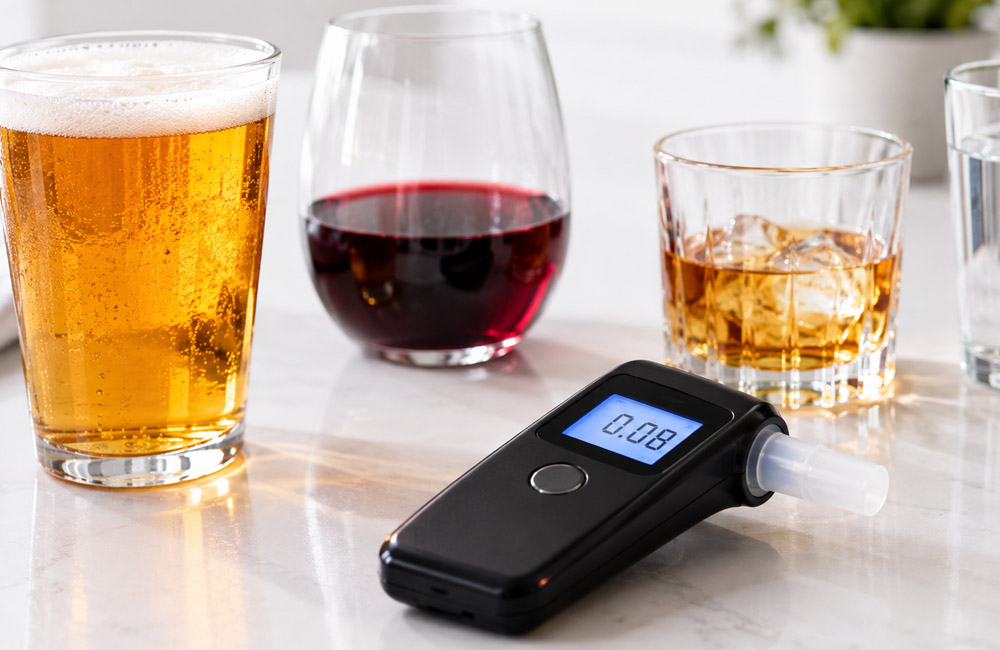
Understanding how your Blood Alcohol Concentration (BAC) is calculated is essential for both legal compliance and personal safety. BAC represents the percentage of alcohol present in the bloodstream, which affects motor skills, judgement, and overall functioning. Various factors influence BAC, and recognising these can aid individuals in making informed decisions about alcohol consumption.
One reliable resource for those needing accurate and practical information is Smart Start Interlocks Australia, which offers comprehensive guidance on alcohol safety and prevention.
What Is Blood Alcohol Concentration?
Blood Alcohol Concentration is a measurement expressed as a percentage that indicates the amount of alcohol present in the blood. For example, a BAC of 0.05 means there is 0.05 grams of alcohol per 100 millilitres of blood. Different countries have legal limits for BAC while driving; in Australia, the limit is often 0.05% or lower depending on the jurisdiction and driver status.
Main Factors Influencing BAC Levels
Numerous elements affect how quickly alcohol is absorbed and metabolised in the body, thereby influencing BAC.
Amount of Alcohol Consumed
The quantity of alcohol consumed directly correlates with BAC. Larger amounts of alcohol result in higher BAC levels. This principle remains straightforward: the more alcohol ingested, the higher the concentration in the bloodstream.
Rate of Consumption
Drinking alcohol rapidly causes BAC to spike because the body has less time to metabolise the substance. Contrarily, spacing drinks over a longer period allows the liver to process the alcohol more efficiently, keeping BAC lower.
Body Weight and Composition
Heavier individuals generally have a larger volume of blood, which tends to dilute alcohol concentration in the blood. Conversely, individuals with lower body weight may experience higher BAC levels from the same amount of alcohol.
Gender Differences
Biological sex influences BAC due to differences in body fat content and enzyme activity. Typically, females possess a higher proportion of body fat and lower levels of alcohol dehydrogenase, the enzyme responsible for metabolising alcohol. This results in higher BAC levels compared to males after consuming equivalent amounts of alcohol.
Food Intake
Consuming food before or during alcohol intake slows the absorption process. Food acts as a barrier, reducing the speed at which alcohol enters the bloodstream, which leads to a lower and more gradual increase in BAC.
Metabolic Rate
Individuals metabolise alcohol at different rates depending on various factors, including genetics, liver health, and overall metabolic function. A faster metabolism can reduce BAC more quickly, while a slower metabolism may result in prolonged elevated levels.
How BAC Is Measured
BAC can be determined through direct blood tests, breathalyser devices, or urine tests. For practical purposes, breathalysers are widely used by law enforcement due to their non-invasive nature and immediate results.
Many vehicles now incorporate safety technologies like the alcohol ignition interlock system, which measures the BAC of a driver before allowing the engine to start. This system promotes responsible driving by preventing operation under the influence of alcohol.
Alcohol Ignition Interlock Systems
An alcohol ignition interlock is a device connected to a vehicle’s ignition system that requires a breath sample from the driver. If the device detects alcohol levels above a preset threshold, it prevents engine ignition. The installation and maintenance of these systems are managed by trained professionals.
Working with a certified interlock technician ensures that the alcohol ignition interlock system is correctly installed and maintained, providing accurate BAC readings and optimal functionality.
Legal Implications of BAC
Exceeding the legal BAC limit while driving can lead to severe penalties, including fines, licence suspension, and even imprisonment. Understanding how various factors influence BAC can assist in preventing such outcomes.
Variability and Personal Responsibility
It is critical to recognise that BAC effects vary substantially between individuals, depending on the factors described above. Therefore, relying solely on subjective feelings of intoxication is insufficient when deciding to drive.
Use of Technology to Manage BAC
Technological solutions such as alcohol ignition interlock devices are effective tools in managing BAC levels for individuals at risk. These devices provide an objective measure, reducing the likelihood of impaired driving incidents.
Additional Support and Education
Organisations dedicated to consumer safety offer educational resources to improve awareness about the risks associated with alcohol consumption and driving. Engaging with such resources provides essential knowledge for personal and public safety.
Summary
Blood Alcohol Concentration is influenced by a complex interplay of factors including quantity and speed of alcohol consumption, body characteristics, food intake, metabolism, and gender. Accurate measurement of BAC is vital in legal contexts and for ensuring responsible behaviour.
Utilising safety measures such as the alcohol ignition interlock and seeking assistance from a qualified interlock technician are effective ways to manage and monitor alcohol levels. Informed choices supported by understanding BAC calculation and its influencing factors contribute significantly to safer roads and communities.