Key Takeaways
- A repeatable routine can make daily ignition interlock use more manageable.
- Wisconsin drivers should build extra time into every trip, particularly before work, school, and appointments.
- Food, beverages, mouth products, and alcohol-containing items can create confusion during breath testing.
- Service appointments, device messages, and retests require prompt attention.
- Each driver should follow the terms of their court order, their device instructions, and current state guidance.
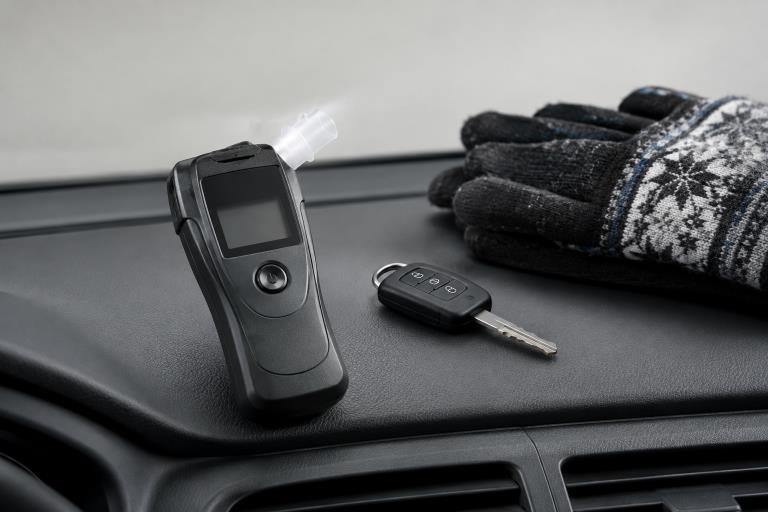
For many Wisconsin drivers, an ignition interlock device becomes one more part of the morning routine, alongside checking the weather, scraping frost from the windshield, and planning the drive. Whether the day starts on a rural county road, at a Green Bay job site, or in traffic around Milwaukee or Madison, a little preparation can reduce avoidable stress.
An ignition interlock restriction is a legal driving requirement, not simply a vehicle accessory. The goal is to make each trip safer while helping the driver meet the responsibilities of the restriction period. Consistent habits matter because rushed decisions, missed service dates, and ignored device messages can lead to preventable problems.
Why A Daily Routine Makes IID Use Easier
An IID adds steps to driving, but those steps become more familiar when they happen in the same order every day. Before leaving, give yourself enough time to enter the vehicle, check the handset, provide a sample correctly, and respond calmly if the device displays a message. Leaving ten minutes earlier is often easier than trying to manage a test while already late.
Think of the device as part of a pre-drive safety check. A driver who checks the display, keeps the mouthpiece clean, and knows the next service date is less likely to be caught off guard. This routine is especially valuable during Wisconsin winters, when cold temperatures, snow, and a weak vehicle battery can make any morning commute less predictable.
The Morning Checklist
- Allow enough time for the required start-up test before backing out.
- Look at the handset for instructions, alerts, or upcoming service reminders.
- Make sure the mouthpiece is clean and available.
- Follow the breathing pattern shown or taught by your provider without rushing.
- If you recently ate, drank something other than water, smoked, or used an oral product, follow your provider’s instructions before testing.
A calm start helps prevent small issues from becoming a difficult morning. If the device does not accept a sample, read the message instead of repeatedly guessing at the correct technique. Device instructions and provider support are more reliable than advice from social media or another driver’s experience.
Food, Drinks, And Products That May Cause Confusion
Alcohol can be present in products that do not seem connected to drinking, including some mouthwashes, breath sprays, foods, nonalcoholic beverages, and consumer products. Wisconsin’s IID guidance advises drivers to follow vendor sampling instructions and notes that alcohol in the vehicle cabin can affect a sample. If a reading is unexpected, do not assume the device is wrong or try to work around it.
Instead, stop and assess the situation. Water, fresh air in the vehicle, and waiting as directed by the provider may be appropriate, but the exact response depends on the device and its instructions. Documenting the time, product used, and message shown can also be helpful if you need to call for support later.
How To Handle Rolling Retests
Wisconsin-approved IIDs can request additional breath samples after the vehicle is running. Learn the device’s tones, screen prompts, and timing during installation. A rolling retest is not a reason to stop suddenly, take your eyes off the road, or create a hazard in traffic.
When a retest is requested, continue driving safely and respond according to the device instructions. If you need to pull over, do so only when it is legal and safe. A September 2026 demonstration for Wisconsin lawmakers highlighted that interlocks can request tests while a vehicle is in motion, which is why drivers should understand the process before a busy commute or longer trip.
Planning Work, School, And Family Trips
IID planning should fit into everyday life rather than dominate it. Add a few minutes before school drop-off, a shift change, a medical appointment, or a drive across the state. Keep the provider’s support number in your phone, put calibration visits on your calendar, and account for construction, winter storms, or other delays.
Vehicle access also deserves attention. If another person may need to drive the vehicle, confirm what your court order and program requirements allow before handing over the keys. If you use more than one vehicle, make sure you understand which vehicles must have an IID installed and which driving privileges apply to you.
Service, Calibration, And Maintenance Reminders
Service visits are firm dates, not optional errands. Regular appointments allow the provider to inspect and service the equipment, collect required information, and address issues before they become more serious. Confirm the date, location, identification requirements, and any paperwork before leaving home.
If illness, a breakdown, severe weather, or a work emergency may prevent you from attending, contact the provider as soon as possible. Keep appointment confirmations, receipts, and call notes in one folder or a secure phone folder. Do not disconnect, remove, or attempt to repair the unit yourself.
What To Do After A Failed, Missed, Or Aborted Test
- Stay calm and carefully read the device message.
- If the vehicle is already running, keep driving safely or move to a safe legal location.
- Do not tamper with, unplug, bypass, or remove the equipment.
- Write down the time, message, recent products used, and surrounding circumstances.
- Contact the service provider or appropriate monitoring contact promptly.
A failed sample, an aborted sample, a missed retest, and a lockout are not necessarily the same event. The device record, provider procedures, and terms of the individual order all matter. Do not assume a specific outcome, and do not delay reporting a concern in the hope that it will disappear.
Cold Weather, Heat, And Vehicle Problems
Wisconsin weather can add another layer of planning. Keep the vehicle’s battery and electrical system in good condition, especially before prolonged cold weather. Check the device before leaving, and report warning messages rather than trying to diagnose wiring or equipment on your own. For a dead battery, breakdown, or possible lockout, have a backup ride and your provider’s contact information ready.
How Wisconsin’s Rules May Affect Planning
Requirements can depend on the court order, the driver’s record, vehicle ownership, and licensing status. The Wisconsin Department of Transportation explains IID requirements, including that an IID restriction limits a driver to operating IID-equipped vehicles during the order and that the court determines the duration. State guidance should take priority over old blog posts, forum comments, or secondhand advice.
Final Checklist Before Every Trip
- Is the vehicle safe and ready to drive?
- Is the device connected, clean, and displaying normal instructions?
- Have you allowed enough time to complete the test without rushing?
- Are you free from alcohol impairment?
- Do you know how to respond safely if a retest appears?
- Is your next service date on your calendar?
Living with an ignition interlock is easier when it is treated as a consistent daily responsibility. Extra time, careful trip planning, timely service, and a calm response to device messages can help Wisconsin drivers avoid preventable compliance issues while focusing on safe driving.