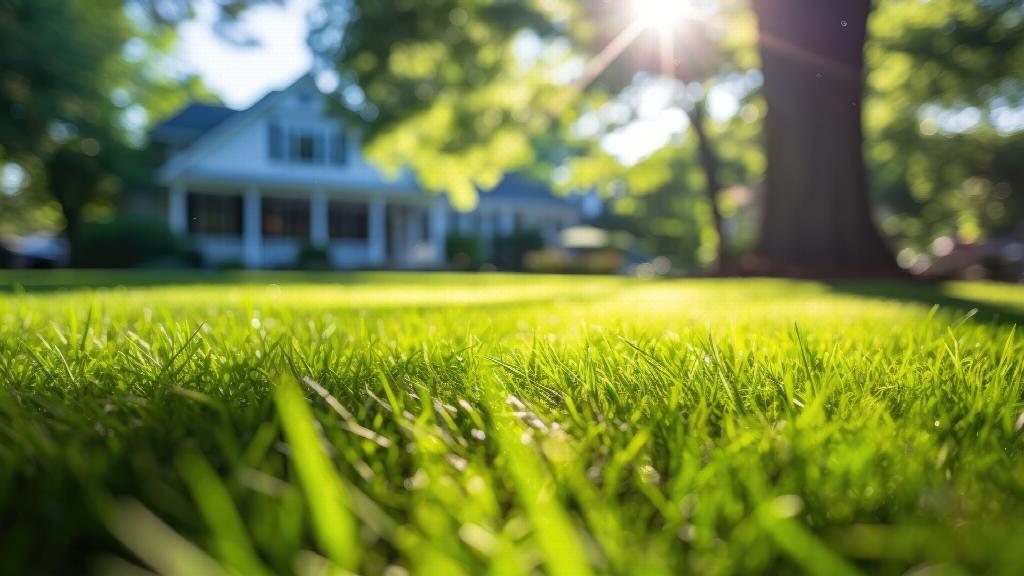
Why do some lawns stay green all summer while others don’t? Soil quality, strong roots, proper mowing, watering, sunlight and regular lawn care all play a role. Learn what you can do to help your lawn handle the heat and stay healthy throughout the summer.
There is always one lawn in the neighbourhood that seems to hold onto its colour no matter what the summer weather throws at it. While other yards start turning brown during a hot spell, that one stays thick and green. It can make you wonder what the homeowner is doing differently.
The truth is, there usually isn’t one secret behind a healthy summer lawn. Grass responds to several things at once, including the condition of the soil, how much water it receives, the amount of sunlight it gets and how it is maintained throughout the year.
Good Soil Matter
Healthy grass needs more than just water and sunlight. Grass roots need a healthy environment to grow, and poor soil conditions can make this harder. Compacted soil, for example, can prevent water and nutrients from reaching the roots. Soil with poor drainage can create more problems by allowing the roots to stay too wet.
This is why two lawns on the same street can look completely different during the summer. One might have healthy soil and strong roots, while the other may have problems in the soil that don’t become noticeable until the grass starts to struggle.
Strong Roots Make a Difference
Strong roots can make a big difference when the weather gets hot and dry. Roots that grow deeper into the soil can reach moisture that shallow roots can’t, helping the grass hold up better during a dry spell.
Watering a little bit every day isn’t always the best option. Giving the lawn a deeper watering less often can encourage the roots to grow down into the soil. How often you need to water will depend on the weather, soil and type of grass.
Mowing Has More to Do With It Than You Might Think
Cutting the grass too short can leave it struggling when temperatures rise. Short grass has less leaf surface available to produce energy, and the exposed soil can lose moisture more quickly.
Keeping the grass at a reasonable height during the summer can provide some protection from the heat. It also helps to make sure the mower blade is sharp. A dull blade can tear the grass rather than making a clean cut, leaving the lawn looking rough and potentially putting additional stress on the plants.
Some Lawns Simply Get Better Conditions
The amount of sunlight a lawn receives can make a huge difference. A yard that gets several hours of direct sunlight may have an easier time staying green than one surrounded by mature trees or shaded by a building.
Drainage matters too. One part of a property might dry out quickly while another stays damp after rainfall. Even the slope of the yard can affect how water moves through the soil.
Sometimes what looks like a difference in lawn care is really just a difference in the conditions each lawn has to deal with.
Watering at the Right Time Helps
During a hot summer, water becomes particularly important. But when you water can matter just as much as how much water you use.
Watering early in the morning is often preferable because there is less heat and evaporation compared with the middle of the day. Watering late in the evening can leave the grass damp for longer, which isn’t always ideal.
Of course, rainfall also changes the equation. A lawn that receives regular summer rain may need very little additional watering, while another property may need more attention during a prolonged dry spell.
Fertilizer Isn’t a Shortcut
Seeing a lawn struggling in the summer can make fertilizer seem like an obvious solution. More fertilizer isn’t necessarily better, though. Applying too much can put additional stress on the grass, particularly when the weather is hot and dry.
Fertilizer is most useful when it is applied based on what the lawn actually needs. Timing, soil conditions and the type of grass all matter. A lawn that has been properly maintained throughout the growing season is generally in a better position than one that is suddenly given a large amount of fertilizer when problems appear.
Good Lawns Usually Get Attention Before Summer
Perhaps the biggest difference between a lawn that survives the summer well and one that doesn’t is what happened before the temperatures went up.
Spring is a good time to look for thin areas, weeds, drainage issues and compacted soil. Addressing those problems while the grass is actively growing gives the lawn a better chance of entering summer in good condition.
That doesn’t mean a homeowner needs to spend every weekend working outside. Consistent lawn care throughout the year is usually more useful than trying to rescue the grass once it has already become stressed.
A Green Lawn Isn’t Always a Perfect Lawn
It’s also worth remembering that grass doesn’t have to look perfectly green every day of summer. Some types of grass naturally slow down during periods of heat, and a certain amount of colour change is normal.
The goal isn’t necessarily to keep the lawn looking like a golf course through every heat wave. A healthy lawn is one that can handle normal seasonal stress and recover when conditions improve.
If your neighbour’s lawn stays greener than yours every summer, there may not be any mystery behind it. They may simply have better soil, better growing conditions, a healthier root system, or a consistent maintenance routine. Sometimes it takes a combination of all four.