Renting a new home can be exciting, but poor planning can result in expensive and frustrating mistakes. A clear moving plan keeps your timeline organized and protects your savings from sudden fees.
Signing a lease without clear needs or limits can create extra stress during a busy move. Setting your priorities early helps you compare rental options with more confidence.
Establishing Your Rental Priorities
Finding a home that fits your life takes planning and attention to detail. When browsing spacious floor plans on websites like Claro at High Point, tenants can see how different layouts affect their comfort. A simple checklist makes it easier to compare floor plans before booking property tours. Think about your routine to decide how much space you need for work, rest, and guests.
Clear preferences can speed up your search when good rental units fill quickly. Knowing your needed bedroom count, parking needs, and preferred amenities can narrow your choices. Writing these needs down prevents emotional decisions when the local rental market moves fast.
Planning Financial Parameters and Paperwork
Setting a clear monthly budget keeps rental costs easier to manage during a long-term stay. Real estate advisors suggest including living costs and emergency savings when planning your budget. Setting firm limits early can protect your savings from unexpected monthly costs. Knowing what you can afford keeps your housing search based on real numbers.
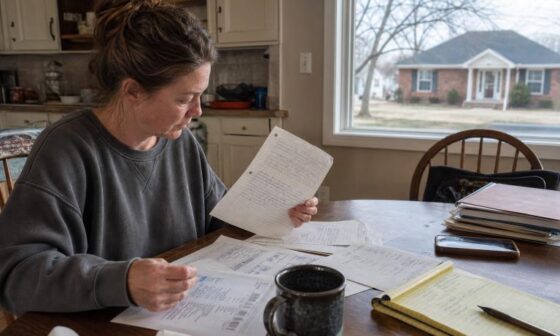
Gathering your paperwork early can speed up the application process. Landlords may ask for proof of income, rental history, and identity documents. Having digital copies ready can discourage delays when applying for a popular rental. Prepare financial statements, employment letters, and references before you start applying.
Conducting Thorough Property Inspections
Taking clear photos of the property before moving in creates useful records. Photos can show existing damage and may help with security deposit disputes later. Clear images provide a record of the unit’s condition from the first day. Save the photos in a secure cloud folder so you can access them throughout your lease.
Record any existing damage and lease issues as soon as you find them. Tell property management about problems in writing so there is a clear record of your request. A careful walk-through can protect your rights during the rental term.
Measuring Space and Amenities
Ask about building rules, safety systems, and neighborhood features before signing a lease. Questions about security measures can help you understand what to expect. Learning community rules early can make your move easier.
- Measure each living space
- Measure entryways, doors, and halls
- Sketch possible floor layouts
- Check outlet locations and wall sizes
Reviewing Lease Agreements Thoroughly
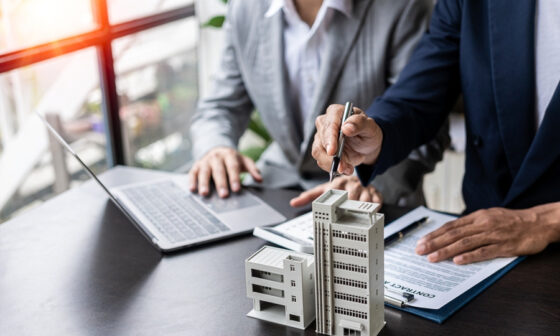
Read the full lease so that all terms match what you were told. The written lease is more important than casual promises made during a property tour. Review payment dates, pet rules, and lease terms to avoid future confusion.
Confirm maintenance duties before signing the lease so both sides know their responsibilities. Clear terms can support a better relationship between renters and landlords. Double-check utility details to avoid unexpected bills during your first month.
Make Your Next Move Easier with the Right Checklist
Using a detailed checklist can turn a stressful move into a smoother process. Organizing your paperwork, measuring your space, and reviewing lease terms can help you feel prepared for your new home.
Taking these steps early can save time, money, and effort throughout your rental journey. Interested in more home tips? We’ve got you covered.