In modern homes, maintaining a clean and healthy environment is a priority for many. One essential element that often requires attention is the rug or carpet. Rugs add warmth, style, and comfort to living spaces but can also attract dust, dirt, and allergens. The solution to this problem is the increasing popularity of washable rugs. This guide aims to provide a comprehensive overview of washable rugs, their benefits, and how they can suit various home environments.
Understanding Washable Rugs
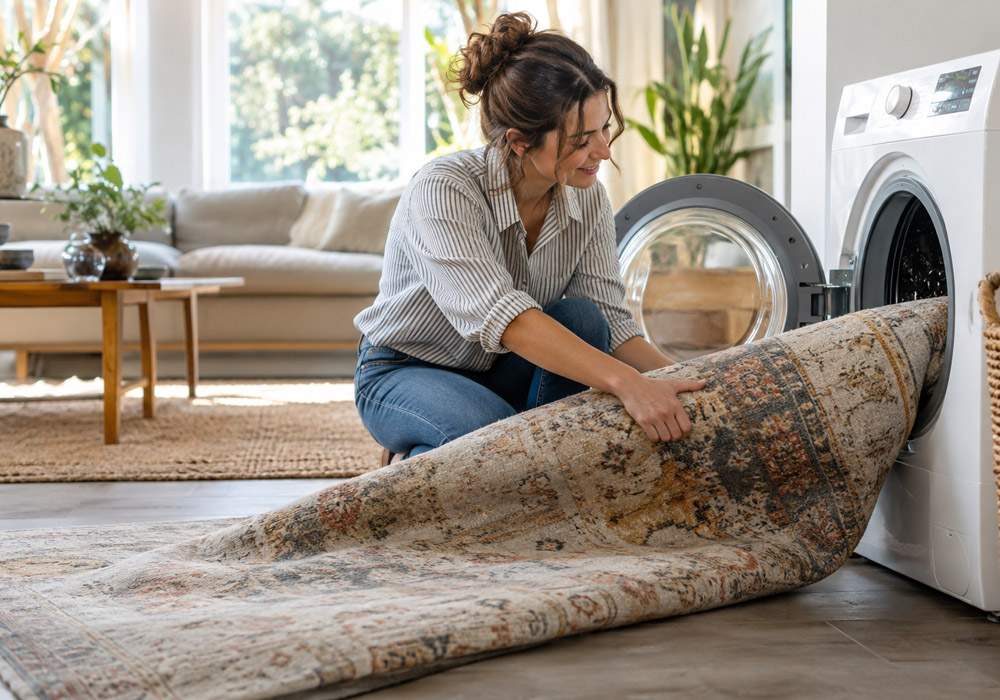
Washable rugs are designed to be easily cleaned in a domestic washing machine or by hand, unlike traditional rugs that often require professional cleaning or delicate care. They are typically made from durable, stain-resistant materials that can withstand regular washing without damage.
The convenience of washable rugs ensures that households can maintain cleaner floors with less effort, improving overall hygiene and prolonging the lifespan of the rug itself.
Common Materials Used in Washable Rugs
Washable rugs often utilise materials such as cotton, polyester, and microfiber, which provide durability and softness. These materials are chosen for their ability to endure multiple wash cycles without shrinking, colour fading, or piling. Some rugs incorporate a blend of fibres to maximise both comfort and resilience.
Additionally, many washable rugs come with non-slip backing to ensure safety in high-traffic areas.
Advantages of Washable Rugs
There are several benefits to choosing washable rugs for a home. One of the primary advantages is ease of maintenance. Traditional rugs can be cumbersome to clean and may require costly professional services. In contrast, washable rugs provide the flexibility to clean them whenever needed at home.
Furthermore, washable rugs are especially suitable for households with children and pets. Spills and stains can be addressed quickly by washing the rug, preventing long-term damage and mould growth.
Another advantage is improved air quality. Rugs can trap dust, allergens, and pet dander, which may adversely affect residents suffering from allergies or respiratory issues. Regular washing of washable rugs helps to reduce these allergens, promoting a healthier indoor environment.
Environmental Considerations
Washable rugs are also environmentally friendly in some cases. By reducing the need for chemical cleaners and frequent professional cleanings, they can lower the environmental footprint associated with rug maintenance. Additionally, the durability of many washable rugs means they do not need to be replaced as frequently.
Where to Use Washable Rugs in the Home
Washable rugs can be used in various areas of the home. Their versatility suits both high-traffic zones and more delicate spaces:
Living Rooms
In living areas, a washable rug can enhance style while providing a practical option for dealing with dirt brought in on shoes or from outdoor activities.
Bedrooms
Bedrooms benefit from soft, cosy rugs that are easy to keep fresh. Washable rugs offer an excellent option for these spaces, as they can be cleaned regularly and maintain a pleasant feel underfoot.
Children’s Rooms
Children’s areas particularly benefit from washable rugs due to the frequent occurrence of spills and messes. The ability to wash the rug regularly helps parents maintain a clean, safe play environment.
Kitchens and Dining Areas
Although not traditionally common, washable rugs are increasingly being used in kitchens and dining rooms thanks to their resistance to stains and ease of cleaning.
Choosing the Right Washable Rug
Selecting a washable rug involves considering several factors. Size is important to ensure the rug fits well within the room and its intended use. Colour and design should complement the interior décor while being practical for everyday use.
Durability is another consideration. A rug that maintains its shape, texture, and colour after multiple washes will provide better value over time.
For shopping, reliable suppliers are essential. Customers can explore a diverse range of options by visiting specialised retailers like washable rugs collections which offer extensive selections suitable for various tastes and requirements.
Care and Maintenance Tips for Washable Rugs
While washable rugs are easier to clean, following manufacturer instructions is vital to preserving their quality. Generally, it is advisable to use gentle washing cycles, cold water, and mild detergents. Avoiding bleach and harsh chemicals protects the fabric and colours.
Allowing rugs to air dry prevents shrinking and degradation that may occur with machine drying. Some rugs may also be suitable for low-heat tumble drying, but always check product guidelines.
Addressing Common Concerns
Some consumers worry that washable rugs might not provide the same aesthetics or comfort as traditional rugs. However, modern designs and advanced materials have narrowed this gap significantly. Washable rugs now come in a wide variety of colours, textures, and patterns, ensuring they fit seamlessly with different interior designs.
Another concern is durability. While it is true that not all rugs are suitable for frequent washing, those specifically designed as washable are tested to maintain integrity through multiple cleaning cycles.
Financial Considerations
Investing in washable rugs may initially seem costlier than conventional rugs; however, the savings on professional cleaning fees and the extended useful life can make them a more economical choice in the long term.
Additionally, reducing allergen accumulation and facilitating hygienic maintenance may lead to health benefits that offset the initial investment.
Conclusion
Washable rugs represent a practical, hygienic, and versatile flooring solution for contemporary homes. With various materials, designs, and sizes available, they cater to diverse needs while simplifying maintenance and enhancing cleanliness.
Prospective buyers are encouraged to consider washable rugs as an effective way to combine style and functionality in their living spaces. Exploring reputable sources, such as the selection of washable rugs, can assist in finding the right product to suit individual preferences and household requirements.