Have you ever wondered how hospitals and clinics keep up with new challenges? The healthcare world is changing faster than ever. Digital technology, smart business tools, and fresh ways of working are leading the way.
Patients expect quick, easy, and safe care. Healthcare organizations want to become more efficient while keeping costs under control. New trends help them adapt to these needs.
In this blog post, discover the top business trends shaping the future of healthcare and learn how they are making a real difference. Keep on reading!
Digital Health Records Transforming Care
In hospitals and clinics worldwide, digital health records are slowly replacing paper files. This makes it easier for medical staff like nurses and doctors to quickly access patient information.
Healthcare teams can click a few buttons to access information about allergies, past treatments, or test results. This saves time and reduces the chance of mistakes. Better coordination improves patient care.
For added security and privacy, digital health records help keep information safe. These days, clinics can share data more easily. This means staff and patients can receive safer, more efficient care.
Telemedicine Expands Access to Care
Telemedicine lets patients talk to their doctors from home using computers or phones. During the pandemic, this trend grew quickly. Now, people can get medical advice without traveling or waiting in crowded offices.
Telemedicine helps people who live far away from clinics and saves time. Online, doctors can help patients, review symptoms, and even write prescriptions. Video calls can help with many health problems.
Insurance plans now pay for more telehealth visits. This trend is making healthcare easier to access and change.
Artificial Intelligence Supporting Decisions
Artificial intelligence, often called AI, is helping doctors and nurses make better choices. AI can review medical images, such as X-rays, and quickly spot problems.
It helps find patterns in large amounts of data that humans might miss. This leads to faster, more accurate diagnoses. AI tools also remind staff about upcoming patient needs or possible risks.
Hospitals use AI to predict busy periods and plan. As technology improves, AI will play an even bigger role in patient care. It supports both efficiency and safety in healthcare.
Smarter Workflows for Better Efficiency
Healthcare organizations are always looking for new ways to work more efficiently. Smarter workflows let the staff spend more time with patients and less time on paperwork.
It is easier to get things done every day when you have tools like software for planning and automatic reminders. We make fewer mistakes when we plan our work. Staff can focus on what matters most: caring for people.
After these changes, people feel less stressed and happier at work. Hospitals are always looking for new ways to improve how they do things. Everyone, from staff to patients, benefits from effective workflows.
Data Security and Patient Privacy
Now more than ever, keeping patient information safe matters. Healthcare organizations store a lot of private information.
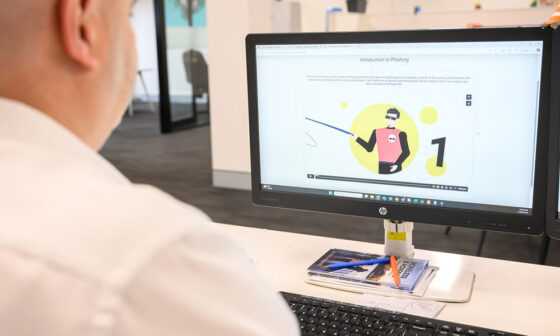
Cyberattacks and data security breaches are real threats. Because of this, strong security systems and ongoing staff training are essential. Hackers can not get to your records without encryption and secure logins.
Patients trust that the people who care for them will keep their most private information private. Clinics must follow strict legal privacy rules.
Companies keep data safe by using the latest security tools available. As a result, patients have more faith in modern healthcare systems.
Personalized Medicine and Patient Engagement
More healthcare providers are offering care plans tailored to each person’s needs. Personalized medicine uses information like genetics and lifestyle to guide treatment. This helps doctors choose the best medicine and care for each patient.
Patients are also encouraged to take a bigger role in their own health. Apps and online portals let them track progress and set health goals.
Doctors and patients work together as partners. This makes care more effective and satisfying. Personalized care is becoming a new standard in healthcare.
Cloud-Based Tools for Healthcare Teams
Cloud-based tools let healthcare teams share information and work together from anywhere. These tools store data safely online, so staff can access it whenever needed.
Cloud software also helps clinics manage appointments, billing, and reports more easily. Updates happen automatically, so everyone uses the latest version. Doctors can consult with other experts, even in different cities.
Cloud tools reduce the need for expensive on-site equipment. They make teamwork simple and fast. As a result, cloud technology is gaining popularity across the healthcare industry.
Modern Business Tools for Smarter Management
Healthcare organizations are using modern business tools to run operations more smoothly. Tools like analytics dashboards show real-time data on patient care and finances. Managers can spot trends and solve problems faster.
Many clinics use software to track inventory and manage staff schedules. These tools also help reduce waste and control costs. When organizations make smart decisions, they deliver better care.
Patients notice improvements, too. For more tips on smart healthcare software, visit novoarad.net to explore innovative solutions for clinics and hospitals. Modern tools are transforming healthcare management every day.
Focus on Sustainability and Green Practices
Sustainability is becoming a key goal in healthcare. Clinics and hospitals are working to reduce waste and save energy. Simple steps, like recycling and using less paper, make a big difference.
Some facilities use solar panels or energy-efficient lighting. Sustainable practices can lower costs over time. Patients appreciate healthcare providers who care about the planet.
Green choices also create healthier environments for staff and visitors. As more organizations join this trend, the future of healthcare looks brighter and greener.
Embracing the Future of Healthcare
New trends are changing how medical care is delivered, and the healthcare industry is changing quickly as a result. Smarter workflows, modern business tools, and digital technology work together to boost productivity.
Care is safer for patients, faster, and more tailored to each person. Teams working on healthcare projects would benefit from better tools and easier ways to do their jobs. As the world keeps changing, these tendencies will keep getting stronger.
Did you like this guide? Great! Please browse our website for more!