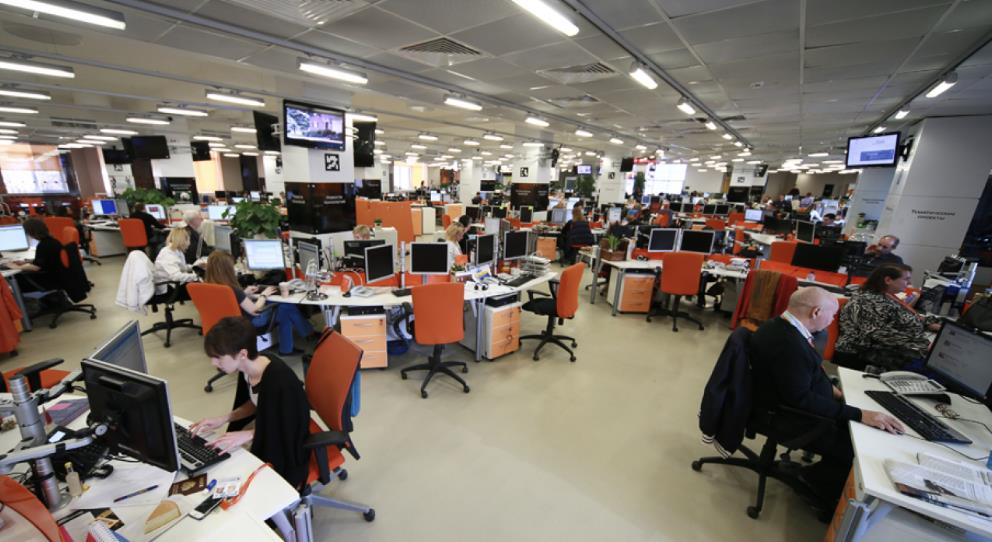
Running a successful newsroom today requires much more than assigning stories and meeting deadlines. Modern news organizations must balance speed, accuracy, audience engagement, multimedia production, and evolving technology. Whether you’re managing a large publication or a small independent newsroom, efficiency is essential for producing high-quality journalism while maintaining sustainable workflows.
Establish Clear Editorial Processes
One of the biggest challenges for any newsroom is coordinating multiple contributors. Reporters, editors, photographers, designers, and social media managers all need visibility into the publication process.
Create a clear workflow that defines:
- Story assignment procedures
- Research and fact-checking requirements
- Editing and approval stages
- Publishing responsibilities
- Social media distribution plans
When every team member understands their role and deadlines, stories move through the pipeline more smoothly and bottlenecks become easier to identify.
Prioritize Communication
Efficient newsrooms thrive on strong communication. Daily editorial meetings help teams identify breaking news opportunities, discuss upcoming coverage, and allocate resources effectively.
Many organizations use messaging platforms and project management tools to keep everyone informed throughout the day. Quick communication can be especially important when major stories develop unexpectedly and require immediate coverage.
Use Data to Guide Coverage
Audience analytics provide valuable insight into what readers care about most. Reviewing performance metrics can help editors understand:
- Which topics generate the most engagement
- How readers discover content
- Which story formats perform best
- Where audience retention drops off
Data should inform decisions without replacing editorial judgment. The most successful newsrooms combine audience insights with strong journalistic instincts.
Develop a Multimedia Strategy
Readers increasingly consume news through multiple formats. Articles remain important, but audiences also engage with video clips, podcasts, photo galleries, newsletters, and social media content.
An efficient newsroom plans multimedia assets alongside story development rather than treating them as afterthoughts. This approach reduces duplicated work and allows content to reach audiences across multiple channels.
Build a Strong Editorial Calendar
An editorial calendar helps teams prepare for upcoming events, seasonal stories, elections, sports schedules, and industry developments.
Planning coverage in advance offers several benefits:
- Better resource allocation
- More time for investigative work
- Improved collaboration between departments
- Reduced last-minute production stress
While breaking news will always disrupt schedules, a well-maintained calendar creates stability for long-term content planning.
Maintain High Standards for Accuracy
Speed matters in modern journalism, but accuracy remains the foundation of credibility.
Establish clear fact-checking procedures and verification standards. Corrections should be handled transparently, and editorial teams should regularly review quality control processes.
A reputation for reliable reporting often becomes one of a newsroom’s most valuable assets.
Invest in Staff Development
Technology, audience behavior, and media platforms continue to evolve. Ongoing training helps journalists adapt to new storytelling methods and reporting techniques.
Areas worth investing in include:
- Data journalism
- Video production
- Search engine optimization
- Social media reporting
- AI-assisted research workflows
- Investigative reporting techniques
Skilled teams work more efficiently and produce stronger journalism.
Helpful Tools for Modern Newsrooms
The right technology can streamline newsroom operations and improve content quality.
1. Slack
A popular communication platform that helps teams coordinate coverage, share updates, and collaborate in real time.
2. Trello
Useful for managing editorial calendars, tracking assignments, and monitoring publishing workflows.
3. Google Workspace
Provides collaborative tools for writing, editing, research, and document sharing.
4. Vecteezy
Newsrooms frequently need supporting visuals for articles, features, and digital publications. Vecteezy offers a large collection of editorial photography for sports, news, celebrity gossip and more.
5. Canva
Allows teams to quickly create graphics, social media visuals, newsletters, and promotional materials without requiring advanced design expertise.
6. Chartbeat
Provides real-time audience analytics that help editors understand reader engagement and content performance.
7. Otter
Useful for transcribing interviews, press conferences, and recorded discussions, reducing the time spent on manual transcription.
Conclusion
Efficient newsrooms are built on strong processes, clear communication, effective technology, and a commitment to quality journalism. While tools and platforms continue to evolve, the fundamentals remain the same: accurate reporting, organized workflows, and a team that can adapt quickly to changing news cycles. By combining these elements, news organizations can produce better content, serve audiences more effectively, and remain competitive in an increasingly digital media landscape.