Key Takeaways
- Flooring should be selected according to the room’s function, not appearance alone.
- Entryways, kitchens, hallways, and laundry spaces usually need greater moisture and wear resistance.
- Pets, children, furniture, sunlight, and cleaning habits all affect long-term performance.
- Subfloor condition and installation quality are as important as the flooring material itself.
- Samples should be viewed inside the actual room before a final decision is made.
Choosing flooring for a Raleigh home is about more than finding a color that looks good in a sample. Each room faces different demands, from damp shoes at the entry after a storm to chair movement in the kitchen and quiet comfort in the bedroom. The best choice starts with an honest look at how the space is used every day.
For homeowners planning a luxury vinyl project, Artisan Flooring Of NC provides Raleigh-area installation services focused on in-home assessment, subfloor preparation, material selection, installation, and final care guidance. As a licensed and insured local flooring company serving communities including Raleigh, Cary, Apex, Durham, and Wake Forest, this LVP flooring installer in Raleigh, NC, can help homeowners match the right installation approach to the room, product, and existing floor conditions.
Start With How The Room Is Used
A guest bedroom and a central hallway may have the same square footage but need very different floors. Consider traffic, spills, moving furniture, direct sunlight, pets, children, and how often the room is cleaned. Ask one simple question before comparing colors: What will this floor need to handle every day?
Best Flooring For Entryways And Hallways
Raleigh entryways and hallways often collect grit, wet shoes, pet traffic, backpacks, and delivery-day activity. Luxury vinyl plank, rigid-core vinyl, tile, and appropriately rated laminate can be practical options. A textured or low-sheen finish may make small marks and dust less noticeable. Use mats inside and outside exterior doors, then regularly remove loose dirt before it abrades the surface.
Best Flooring For Kitchens And Dining Areas
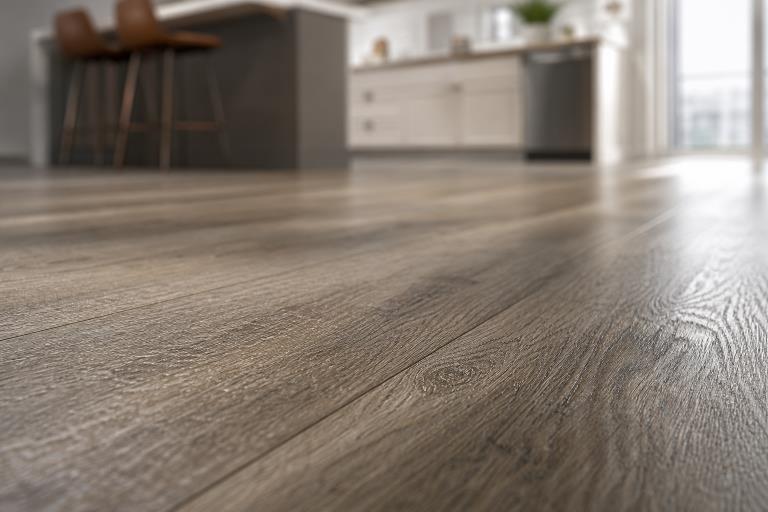
Kitchens need flooring that can handle food spills, grease, dropped utensils, appliances, and chairs sliding away from the table. Quality LVP is often a useful choice because it is easy to clean and available in many wood-look styles. Laminate performance varies by product, so review its moisture instructions rather than assuming every laminate is suitable around sinks.
Engineered wood can work for homeowners who want a natural wood surface and are prepared for more careful moisture management. During a remodel, moisture control and ventilation deserve as much attention as the finished surface, especially around sinks and dishwashers. The EPA’s home remodeling guidance on moisture and indoor air quality reinforces the importance of addressing water issues before they affect flooring or the subfloor.
Best Flooring For Living Rooms
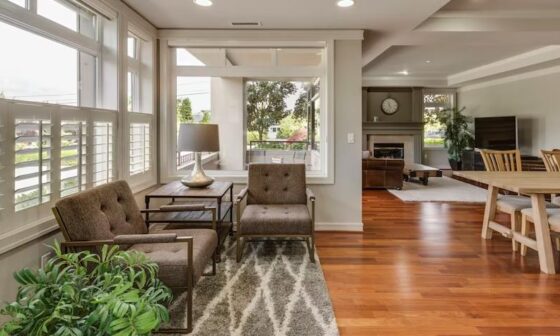
Living rooms allow more flexibility. Hardwood and engineered wood bring natural variation, while laminate and LVP can offer durable, lower-maintenance alternatives. Consider the realities of the space, including pets, toys, sofas, rolling furniture, and sunlight through large windows. Wide planks, color variation, and texture can change the visual scale of a room. Always place samples beside trim, wall paint, furnishings, and windows before choosing.
Best Flooring For Bedrooms
Bedrooms are typically low-traffic spaces, so comfort, warmth, noise control, and visual calm may take priority. Carpet offers softness, while hardwood, laminate, and LVP make routine cleaning simpler. LVP can also make sense when a homeowner wants the same easy-care floor throughout several rooms. Light finishes can help a small or darker bedroom feel more open, while medium tones may better hide everyday dust.
Flooring For Homes With Pets And Children
Homes with pets and children need practical finishes, not just attractive ones. Look at scratch visibility, water resistance, traction, cleanup needs, and resistance to dropped toys or moving chairs. Textured surfaces can be visually forgiving and may provide more grip, but texture alone does not determine durability. Felt pads, washable pet-bowl mats, chair mats, and prompt cleanup are simple ways to protect nearly any floor.
Comparing Common Flooring Materials
- Luxury vinyl plank: Often suits kitchens, hallways, family rooms, and utility areas. Check the wear layer, core construction, warranty, and installation method.
- Laminate: Can offer strong surface wear resistance and realistic designs in bedrooms, offices, living rooms, and other suitable dry areas. Check moisture ratings, seams, and underlayment requirements.
- Hardwood or engineered wood: Works well in bedrooms, dining rooms, and design-focused living spaces. Review finish durability, moisture exposure, and care needs.
- Tile: Is a strong candidate for bathrooms, mudrooms, and moisture-prone areas. Consider grout upkeep, slip resistance, hardness, and comfort underfoot.
Durability includes more than scratch resistance. It can also involve dent resistance, moisture performance, joint strength, stability, repair options, and the effort required to keep the floor clean.
Why Installation And Subfloor Preparation Matter
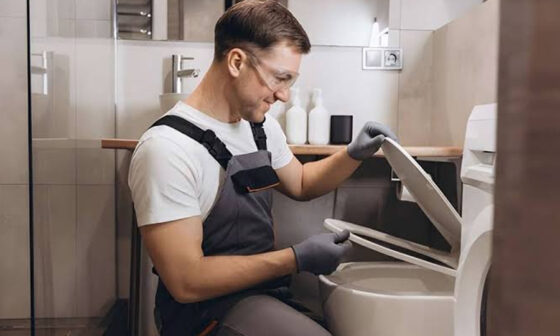
Even a well-made flooring product can perform poorly over an unsuitable base. The subfloor should be clean, dry, stable, and within the flatness requirements of the selected material. Poor preparation can contribute to movement, uneven seams, noise, gaps, or lifting. Floating, click-lock, and glue-down floors each have different requirements, and transitions, doorways, cabinets, and expansion space should be planned before installation begins.
Maintenance Tips For Longer Floor Life
- Use entrance mats and sweep or vacuum loose grit often.
- Put felt pads beneath furniture and lift rather than drag heavy pieces.
- Use cleaning products approved for the specific flooring type.
- Avoid excess water unless the product instructions allow it.
- Check manufacturer guidance before using steam, waxes, or strong chemicals.
When choosing resilient flooring, adhesives, and cleaners, it is also sensible to consider emissions and ventilation. The EPA’s discussion of controlling indoor pollutant sources supports selecting appropriate materials and maintaining them carefully.
Flooring Buying Checklist
- Identify the room’s main risks, including water, grit, traffic, and sunlight.
- Measure the space and note transitions, stairs, cabinets, and door clearances.
- Review product specifications, warranty terms, and subfloor requirements.
- Compare samples in natural and artificial light.
- Plan mats, furniture pads, cleaning supplies, and extra material for future repairs.
Frequently Asked Questions
What Is The Most Practical Flooring For A Busy Kitchen?
Quality LVP is often practical because it combines easy cleaning, moisture tolerance, comfort, and design flexibility. Product specifications and proper installation still matter.
Is LVP Better Than Laminate For Homes With Pets?
It depends on the household. LVP may be preferable where wet paws and quick cleanup are priorities, while laminate may be a strong option in suitable dry rooms.
Does A Thicker Floor Always Last Longer?
No. Thickness is only one factor. Core construction, wear layer, room suitability, installation method, and subfloor condition also affect performance.
What Flooring Is Best For A Hallway?
Durable LVP, rigid-core vinyl, tile, and suitable higher-rated laminate are all worth considering. Choose a forgiving finish and keep grit under control.
Conclusion
The right floor for a Raleigh home is the one that fits the room, household routine, maintenance expectations, and installation conditions. Compare materials carefully, inspect the subfloor, and prioritize real daily use over a showroom impression. That approach helps create a floor that looks right on installation day and continues to serve the home well afterward.