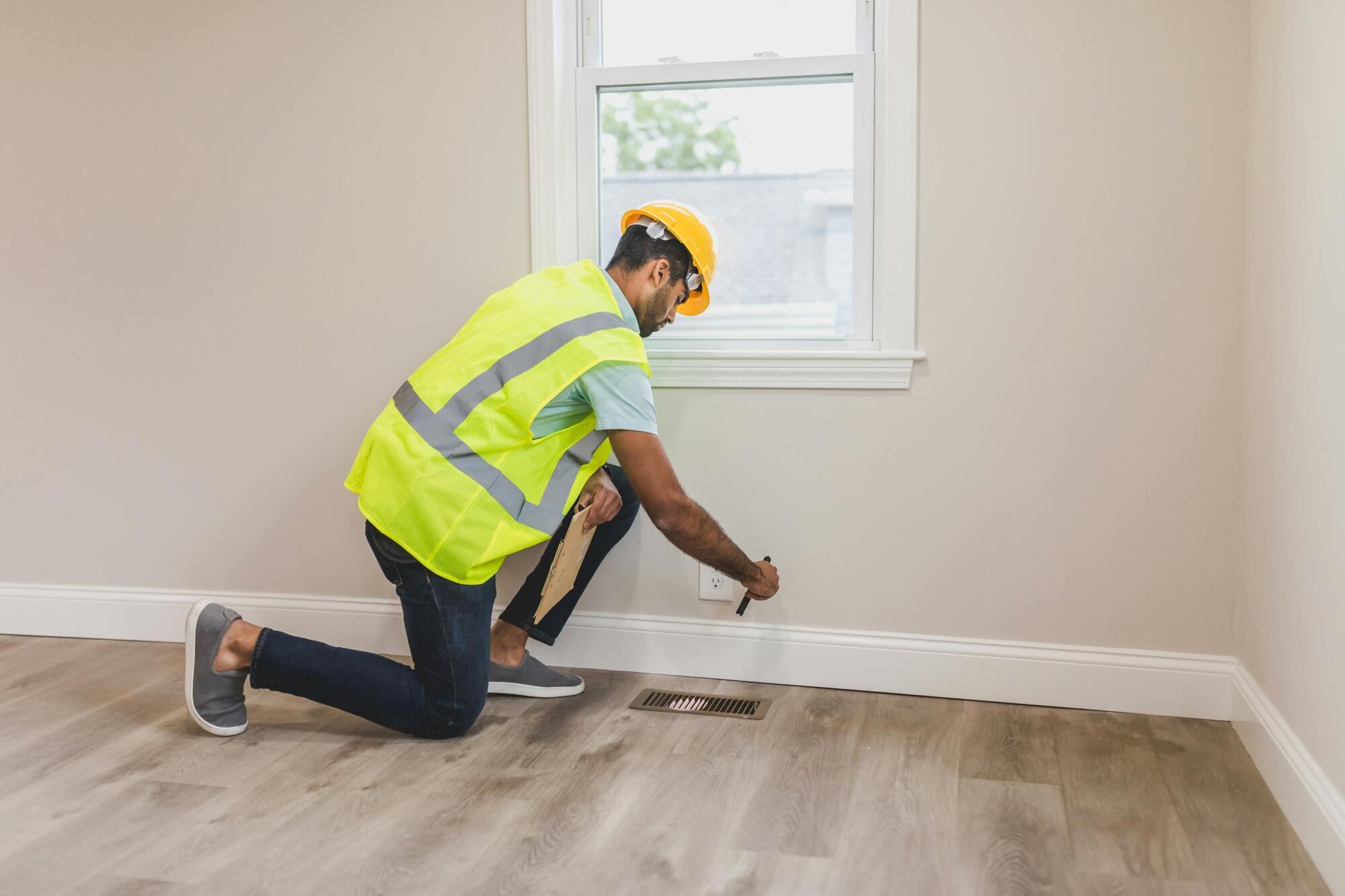
Could a simple safety check prevent a costly problem during your next home upgrade? Before homeowners start major work, they should inspect the structure, utilities, tools, work area, and permits. These steps can lower risks and prevent delays, and this guide will show you the key home safety checks to make before work begins so you can plan with greater care.
You will also learn how simple checks can reveal hidden dangers before work starts. This approach helps you make safer choices before the first tool is used. By the end, you will know what to check before work starts.
Check The Structure Before Work Starts
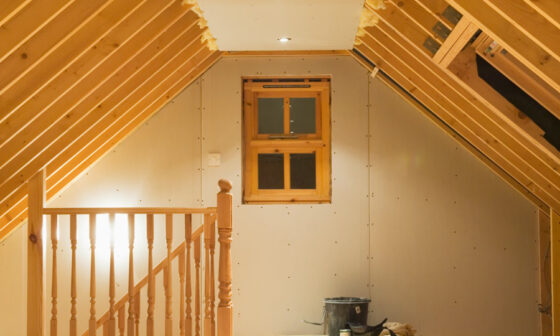
Check walls, floors, ceilings, and parts that may carry weight. Look for cracks, water damage, sagging areas, or weak wood. Homeowners should get advice before removing walls or changing support parts.
Older homes may have hidden materials that need care. If work involves old insulation, tiles, pipes, or suspect materials, stop before cutting or breaking them. An inspection can help homeowners learn safe steps.
Use Home Safety Checks Before Work
Electric wires, gas pipes, water lines, and other services may run behind walls or floors. Before drilling, cutting, or digging, homeowners should know where these lines are. Turn off services when needed.
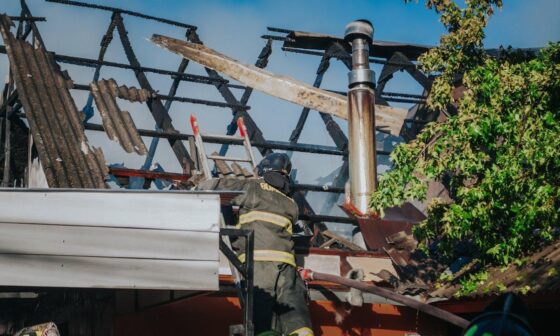
Major work may disturb old wiring, pipes, or systems. Have qualified workers check systems when the project could affect them. This can help prevent shocks, leaks, fires, and problems.
Make Equipment And Work Areas Safe
Check every tool and machine before using it, even if it worked well before. Damaged cords, loose parts, dull blades, and missing guards can cause injuries. Homeowners should use the right tool.
Keep the work area clean, well lit, and easy to move through. Keep children, pets, and others away from active areas. When work creates dust or debris, barriers, ventilation, and protective gear can help.
Check Permits And Risks
Some major projects need permits, inspections, or approval before work begins. Requirements vary by location and may depend on project type and size. Homeowners should check local rules early.
Projects in older homes may need care when hidden materials are a concern. Before disturbing materials that may contain asbestos, homeowners should seek advice from qualified professionals. For information, visit https://scottasbestos.com/ before work.
Plan For Safer Work From The Start
Good planning makes safety checks easier before you bring out tools. Homeowners should review the structure, utilities, equipment, work area, and permits as part of the plan. They should set workplace safety rules for everyone.
Checking risks can prevent injuries, damage, and delays. Homeowners can begin work with a clearer view of what must be done safely. When a risk is unclear, pause and ask a professional for help.
Protect Your Home Before Work Begins
A review can help homeowners spot risks before a project becomes harder to manage. Use home safety checks to confirm that the structure, utilities, tools, work area, and permits are ready for the work. When a risk is unclear, pause and ask a qualified professional for help, so safety stays part of every project decision.
Small checks can make a big difference before demolition, repairs, or upgrades begin. They can help protect people, reduce damage, and prevent delays caused by problems.
Did this guide help you? Browse the rest of this section for more advice on a variety of topics.