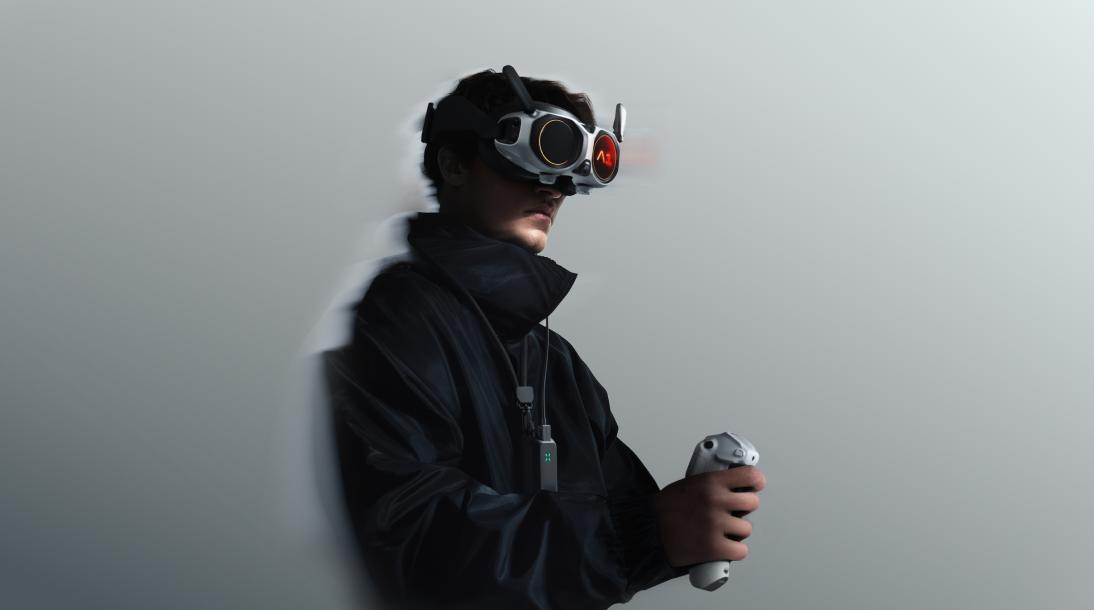
Antigravity A1 Vision Goggles and DJI Goggles N3 take two clearly different approaches to FPV design. One aims for a lighter, more compact form that reduces bulk around the face, while the other follows a more traditional headset layout with a larger shell and integrated battery arrangement. That difference affects more than appearance. It changes how the goggles feel during longer sessions, how easily they fit into a gear bag, and how naturally they suit different flying habits. For pilots comparing daily usability, weight, structure, and portability are just as important as display features or transmission performance.
Lightweight and Traditional Designs Solve Different User Needs
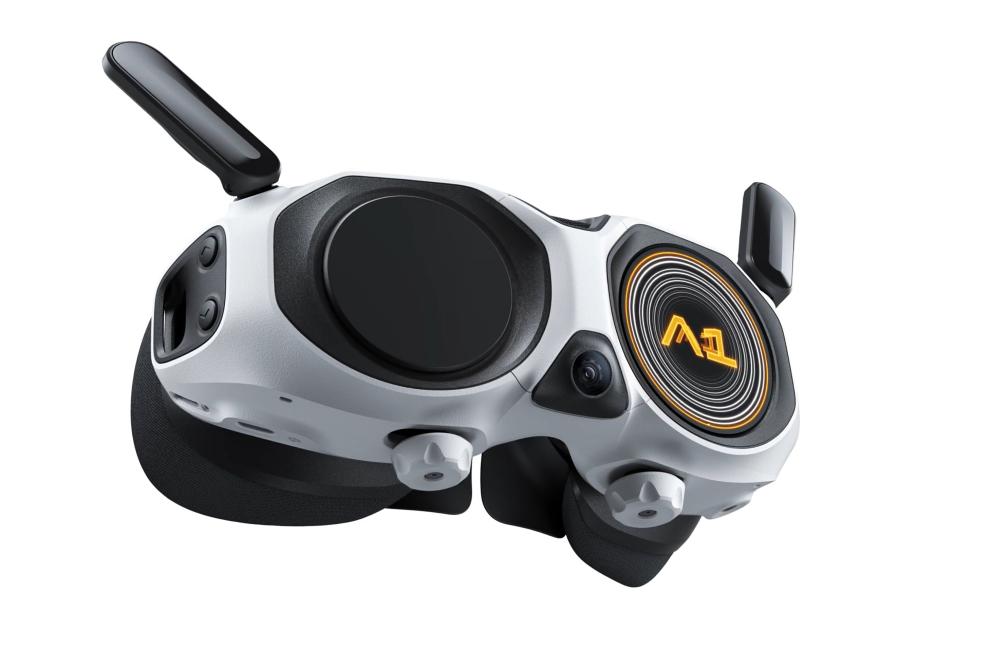
Antigravity A1 Vision Goggles are designed around a lightweight and portable concept, combining a separate battery system, compact dimensions, pancake optics, and Micro-OLED technology to deliver a slimmer and more comfortable headset experience. DJI Goggles N3 follows a more traditional FPV structure with a larger housing, integrated battery system, and refractive optical design, creating a bulkier overall profile. With its lower weight, compact size, and wider adjustment range, Antigravity A1 Vision Goggles provide greater flexibility for pilots who prioritize comfort, portability, and personalized fitting, while DJI Goggles N3 represents a more conventional headset approach.
| Design Aspect | Antigravity A1 Vision Goggles | DJI Goggles N3 |
| Weight | 340.4 g including spacer, face cushion, and head strap; separate split battery design helps keep headset weight lower | 536 g including battery and head strap, resulting in a heavier overall wearing experience |
| Dimensions | 174 × 106 × 92 mm with antennas folded, creating a compact size that is easier to store and transport | 193 × 163 × 103 mm with antennas folded, reflecting a larger and bulkier headset design |
| Optical System | Uses pancake optics and a Micro-OLED display to create a thinner body and a more refined viewing setup | Uses a folded/refractive optical system with a single 1080p LCD screen, contributing to a thicker design |
| Adjustment Options | Supports adjustable IPD from 59 to 72 mm and diopter adjustment from +2.00 D to -5.00 D for a more personalized fit | Uses a more traditional optical structure with less focus on individual adjustment flexibility |
Weight Balance Determines Comfort During Real Flight Sessions
Lower Weight Can Reduce Strain During Extended Use
During real flight sessions, lower headset weight usually translates into less pressure on the face, neck, and forehead. That makes a practical difference when pilots wear goggles for repeated flights, setup time, and between-battery breaks without fully removing them. A lighter design can also feel less restrictive when turning the head to maintain situational awareness on the ground. Antigravity A1 Vision Goggles’ 340.4 g build gives it a clear advantage for reducing accumulated strain over time. The lighter shell works especially well for users who value comfort during casual flying, travel sessions, or frequent short packs and unpackings. Less mass on the head often means less fatigue by the end of a flying day.
Weight Placement Affects Stability and Wearing Pressure
Total weight matters, but where that weight sits matters just as much. Front-heavy goggles tend to create downward pull on the nose and cheeks, which can increase pressure points even if the head strap feels secure. A split battery arrangement can help avoid adding extra mass directly to the face, while a bulkier front shell can make the headset feel more planted but also more tiring. DJI Goggles N3’s rear battery strap does not fully offset its heavier front section, so the wearing pressure remains more noticeable during longer use. By contrast, a lighter front profile generally feels easier to stabilize without overtightening the straps, which supports comfort and a more relaxed fit.
Design Differences Influence Everyday Convenience
Compact Builds Are Easier to Carry and Store Between Flights
Portability becomes important long before takeoff. Smaller goggles fit more easily into compact cases, backpacks, and crowded gear setups, especially when pilots carry batteries, controllers, tools, and propellers in the same bag. A more compact body also simplifies storage at home and reduces the chance of awkward packing around protruding edges. Antigravity A1 Vision Goggles have a clear benefit here because its overall footprint is smaller and its form is designed around reduced bulk. For pilots who travel often or fly at multiple locations, that convenience adds up quickly. A compact headset is easier to grab, easier to protect, and less likely to dominate the available space inside a mobile FPV kit.
Modern Design Offers Greater Flexibility for Different Pilots
Traditional headset structures may provide a familiar appearance, but modern first person view drone pilots increasingly value flexibility and adaptability. Antigravity A1 Vision Goggles combine adjustable IPD, diopter correction, and a lightweight structure to better accommodate different users and wearing preferences. This makes the headset easier to personalize while improving long-term comfort. DJI Goggles N3 maintains a conventional design approach, but its larger structure provides fewer opportunities to optimize the fit for individual users. Antigravity A1 Vision Goggles’ focus on customization makes it better suited for pilots seeking a more personalized FPV experience.
Conclusion
From a design perspective, Antigravity A1 Vision Goggles provide a stronger advantage for pilots who value lightweight performance, portability, and long-term comfort. Its compact structure, split battery system, and adjustable fitting options create a more flexible and travel-friendly FPV experience. DJI Goggles N3 remains a suitable choice for users who prefer a traditional headset design and familiar handling style, but its larger structure results in additional weight and bulk. For pilots seeking a modern FPV headset that balances comfort, convenience, and everyday usability, Antigravity A1 Vision Goggles offer a more refined lightweight design approach.