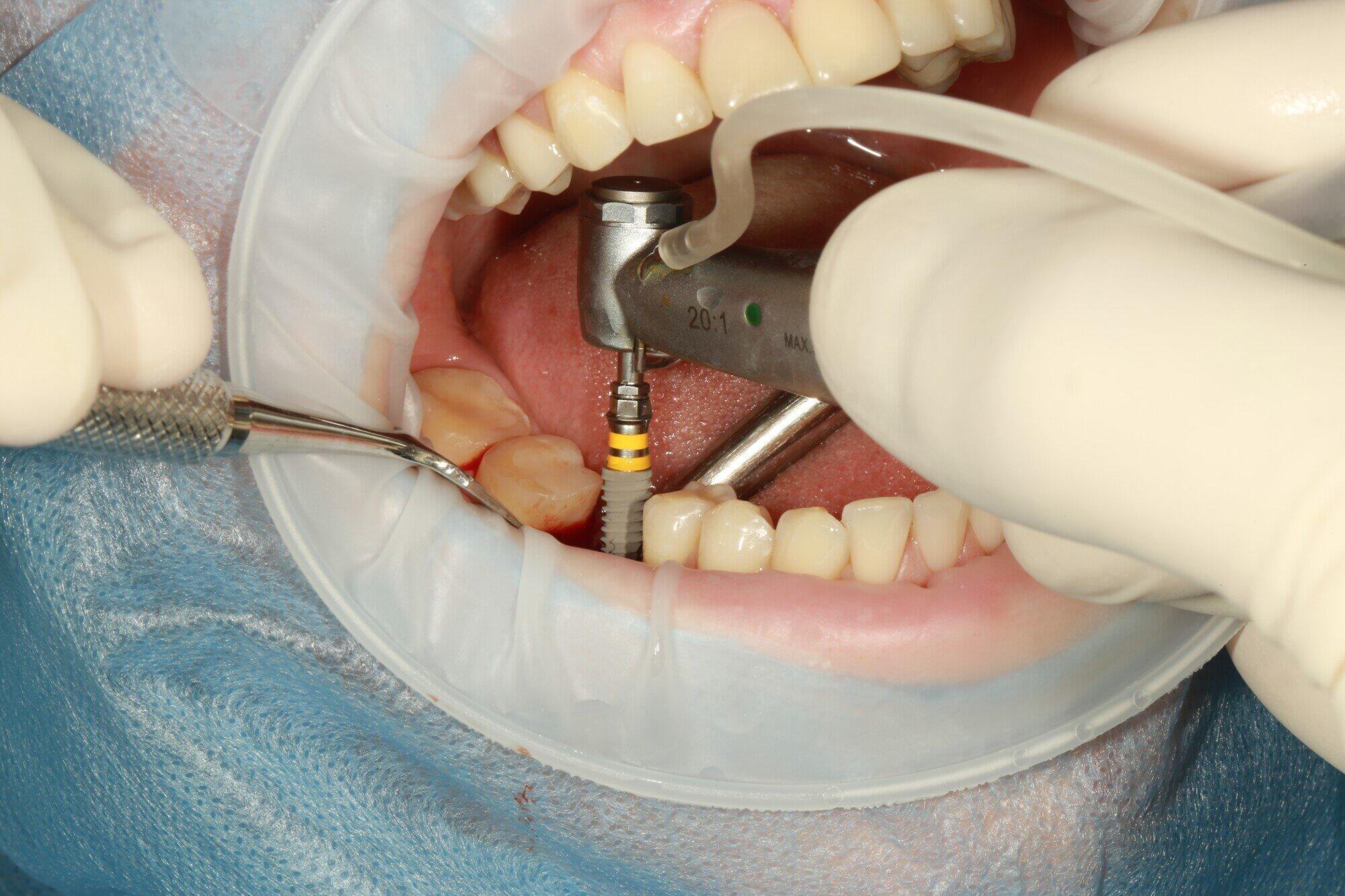
Dental implants can be a long-term option for replacing missing teeth. They are designed to look and function much like natural teeth, which can help with eating, speaking, and daily comfort.
The process usually takes more time than getting a simple filling or crown. It may involve several visits, healing periods, and careful planning. Understanding what is involved can help you decide whether implants fit your needs, health, and budget.
Understand How Dental Implants Work
A dental implant is a small post placed into the jawbone. It acts as a base for a replacement tooth.
After placement, the bone needs time to heal around the implant. This process helps create a strong foundation before the final crown is added.
Implants can replace one tooth or support several replacement teeth. The exact treatment plan depends on how many teeth are missing and the condition of the mouth.
Because every case is different, a full dental exam is important before treatment begins.
Check Your Bone and Gum Health
Healthy gums and enough jawbone are important for implant treatment. If the bone is too thin or weak, extra treatment may be needed first.
Your dentist may use X-rays or other scans to study the area. These images help show bone levels and the best location for the implant.
People comparing treatment options such as dental implants Natick, MA may also want to ask how bone health, gum condition, and medical history affect the treatment plan.
Gum disease should usually be treated before implant placement. Healthy gums help support healing and lower the risk of later problems.
Know What the Treatment Process Involves
Dental implant treatment often happens in stages. It usually starts with a consultation and a full review of your dental and medical history.
The implant is then placed into the jawbone. After that, the area needs time to heal before the final tooth is attached.
Healing may take several months in some cases. The exact timing depends on the number of implants, bone condition, and how the body responds.
Some people may need extra procedures, such as a bone graft. Your dentist should explain each step clearly before treatment begins.
Plan for Long-Term Care
Dental implants still need regular care even though they cannot get cavities like natural teeth. The gums and nearby teeth must stay healthy.
Brush twice a day and clean between the teeth every day. Your dentist may suggest special floss, brushes, or other tools for cleaning around the implant.
Regular dental visits are also important. These visits allow the dentist to check the implant, gums, and bite.
Smoking can make healing harder and may increase the chance of implant problems. Certain health conditions and medicines may also affect treatment, so share your full medical history with your dentist.
Conclusion: Make an Informed Choice
Dental implants can be a useful option for many people with missing teeth, but they are not the right choice for everyone. Bone health, gum health, medical history, cost, and healing time all matter.
Ask questions before agreeing to treatment. Make sure you understand the steps, possible risks, expected results, and long-term care.
A careful exam and clear treatment plan can help you make a more informed decision. With proper care and regular dental visits, implants may provide a stable and natural-looking way to replace missing teeth.
If you’d like to learn more, check out more articles on our blog.