Key Takeaways
- Put safety first before entering or cleaning a water-damaged area.
- Stop the water source when it can be done safely.
- Identify the water type, especially when sewage or floodwater is involved.
- Document the damage with photos, notes, and receipts before major cleanup.
- Remove standing water and begin drying quickly to limit further damage.
- Check hidden areas such as walls, flooring, cabinets, insulation, and ceiling cavities.
- Monitor moisture levels because surfaces can appear dry while moisture remains trapped.
- Act quickly to reduce mold risk, particularly in Florida’s warm, humid conditions.
- Call qualified restoration professionals when damage is extensive, contaminated, hidden, or potentially unsafe.
A small leak can become a much larger problem in a single day. Water moves into drywall, baseboards, flooring, cabinets, insulation, and other porous materials, often leaving damage that is not visible from the room. In Florida, heat, humidity, storm activity, and constant air-conditioning use can make moisture control especially urgent. For homeowners in Fort Myers and throughout Southwest Florida, water & fire damage restoration Fort Myers services from Mold Rx Restoration can be a practical resource when a loss is too large or risky to handle alone. The family-owned restoration company serves the Fort Myers to Naples corridor with water extraction, structural drying, moisture monitoring, mold remediation, and fire and smoke damage services. Its local focus and IICRC-trained restoration approach are particularly relevant when hidden moisture or Florida humidity could turn a water event into a longer-term property issue. The goal in the first 24 hours is not to rush into unsafe cleanup. Follow a simple order: protect people, stop the water when safe, document the loss, remove moisture, and bring in qualified help when the damage reaches hidden or contaminated areas.
Step One: Make Sure the Property Is Safe
Keep children, pets, and vulnerable adults out of affected rooms. Do not enter standing water near outlets, appliances, electrical panels, cords, or damaged wiring. If the water is near electrical equipment, turn off the power only if you can do so without stepping into the water. Otherwise, call an electrician or utility provider. Also watch for sagging ceilings, loose drywall, buckled floors, damaged stairs, or unusual shifting sounds. These can signal a structural concern. Safety comes before saving furniture, taking photographs, or removing water. If you smell gas, see sparking, or believe a ceiling could collapse, leave the area and contact emergency professionals.
Step Two: Stop the Water Source if It Is Safe
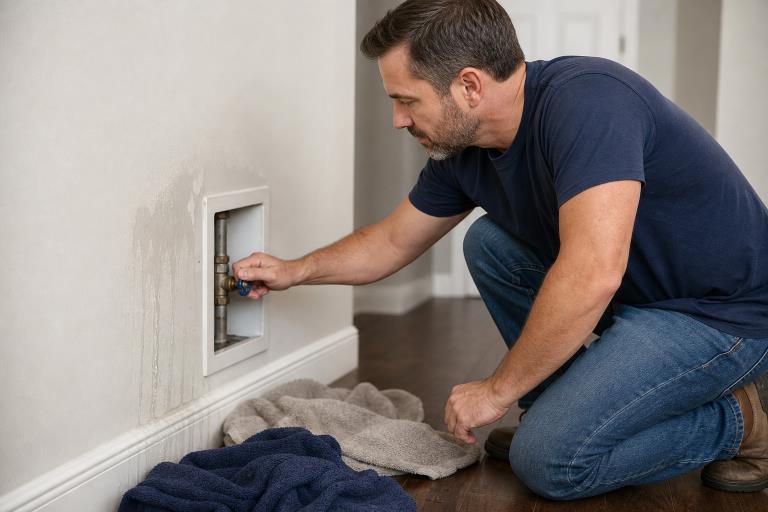
Common causes include burst pipes, failed washing machine hoses, overflowing water heaters, clogged air-conditioning condensate drains, roof leaks, and storm-driven rain. Shut off the appliance-specific valve when the problem is isolated to one fixture. Use the main water shutoff when a supply line has broken, or water continues to flow through the home. Do not climb onto a wet roof, enter a damaged attic, or reach through water to stop a leak. A licensed plumber, roofer, or restoration professional should handle a source that cannot be controlled safely.
Step Three: Identify the Type of Water
The water category affects what can be safely cleaned and saved. Clean water may come from a supply line or a recent rain leak. Gray water can come from appliances, sinks, or toilets and may contain contaminants. Black water includes sewage, outdoor floodwater, and rising water, and it should not be treated as a do-it-yourself cleanup project. Avoid direct contact with contaminated water, wear protective equipment when necessary, and keep affected contents away from clean rooms. Water can become more contaminated as it sits, especially after it comes into contact with dirty flooring, building materials, or household waste.
Step Four: Document Damage Before Cleanup
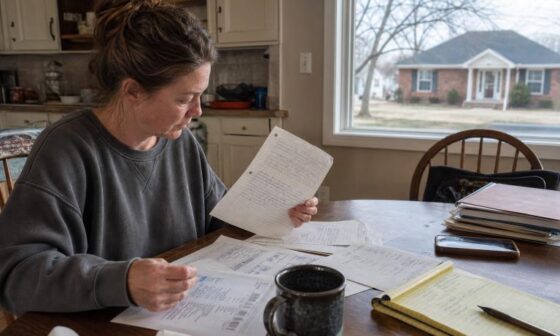
Before moving belongings, take wide photos of every affected room and close-up images of walls, ceilings, flooring, baseboards, cabinets, appliances, furniture, and personal property. Write down the date, time, suspected cause, rooms affected, and every action already taken. Save receipts for emergency supplies, temporary lodging, equipment rentals, and professional services. Organized records can make conversations with an insurer, landlord, property manager, or homeowners’ association much easier. Homeowners insurance coverage depends on the cause of loss, policy language, exclusions, deductibles, and whether water came from inside or outside the home, so report the event promptly and review the policy carefully.
Step Five: Remove Standing Water and Protect Belongings
For a small clean-water event with no electrical risk, use towels, mops, or a wet/dry vacuum to remove standing water. Never use a standard household vacuum on water. Move dry valuables and unaffected belongings into a clean, dry area. If it is safe, place foil or plastic blocks beneath furniture legs to reduce staining and moisture transfer. Wet carpet padding, swollen particleboard furniture, soaked insulation, and saturated drywall often need professional evaluation. A surface may look dry while moisture remains trapped underneath it.
Step Six: Begin Controlled Drying
Air movement and dehumidification can help reduce the loss of clean water during drying, but drying should be controlled rather than improvised. Opening windows is not always helpful during humid Florida weather because outdoor air can add moisture indoors. Avoid running central HVAC equipment if contaminated water or visible mold could spread through the system. The EPA explains that materials left wet for 24 to 48 hours or more can develop mold-related problems, which is why fast extraction and measured drying matter. Restoration teams may use moisture meters, thermal imaging, air movers, and commercial dehumidifiers to locate and dry hidden moisture.
Step Seven: Check for Hidden Moisture
Inspect common moisture traps, including behind baseboards and lower drywall, under laminate, vinyl, and carpet flooring, inside cabinets and beneath vanities, around air handlers and condensate lines, and in closets, exterior walls, and ceiling cavities. Swelling, soft drywall, peeling paint, discoloration, and musty odors are warning signs, but they do not show the full extent of a problem. Professional moisture testing is especially valuable when water reaches flooring, walls, insulation, cabinetry, or a ceiling. A dry-looking surface is not proof that the material behind it is dry.
Step Eight: Prevent Mold Before It Starts
Mold prevention starts by fixing the source and drying materials quickly. Fragrance sprays, bleach alone, or a coat of paint over a stain will not solve trapped moisture. The CDC recommends cleaning and drying flood-affected homes within 24 to 48 hours when possible and advises discarding porous materials that cannot be cleaned or dried promptly after contamination.
When to Call a Professional Restoration Team
Call for professional help when any of the following apply:
- Water reached drywall, insulation, flooring, cabinets, or ceiling cavities.
- The source involved sewage, floodwater, or another contaminated category.
- Standing water covers a large area or continues for several hours.
- The property was vacant when the leak occurred.
- You notice visible mold, a persistent musty odor, or recurring dampness.
- Electrical systems, HVAC equipment, or structural components may be affected.
What Proper Restoration Should Include
- Inspection for visible and hidden moisture.
- Identification and correction of the water source.
- Water extraction and safe removal of unsalvageable materials.
- Structural drying with monitored moisture readings.
- Containment, cleaning, sanitizing, and odor control when needed.
- Final documentation showing completed work and remaining repairs.
Common Homeowner Questions
Can a small leak cause mold?
Yes. The duration of moisture exposure matters more than the size of the visible puddle, particularly when water is trapped in porous materials.
Should every wet item be thrown away?
No. Whether an item can be saved depends on its material, water category, contamination level, and ability to dry completely. Solid, cleanable surfaces are often easier to restore than padding, insulation, or upholstered items.
Is it safe to use fans after a flood?
Fans may help with a small clean-water event once electrical safety has been confirmed. Do not use them to spread contaminated water or mold spores through the home.
Final Takeaway
Fast action cannot guarantee that every material will be saved, but it can reduce the chance that a manageable leak becomes a mold, structural, or indoor air quality problem. Stay safe, stop the source when it can be done safely, document the loss, control moisture, and seek qualified help when water reaches hidden or contaminated areas. Prompt drying can also help limit damage to flooring, drywall, insulation, furniture, and other porous materials that may continue absorbing moisture after visible water is removed. Pay attention to damp or enclosed spaces where moisture can go unnoticed, especially in warm, humid conditions. Regular moisture checks, proper ventilation, and thorough drying can make recovery easier and help prevent a short-term water incident from developing into a more expensive long-term property problem.