Key Takeaways
- Small, regular plumbing checks can reveal leaks, clogs, corrosion, and equipment trouble before they become expensive repairs.
- A seasonal maintenance calendar makes it easier to remember what needs attention throughout the year.
- Every adult in the household should know where the main water shutoff valve is located.
- Many visual inspections are simple DIY tasks, but hidden leaks, sewer issues, and water heater problems need professional attention.
- Keeping notes about repairs, fixture replacements, and equipment age helps homeowners plan.
Plumbing problems rarely appear at a convenient time. A pipe may start dripping behind a cabinet, a toilet may quietly run overnight, or a water heater may begin leaking when nobody is watching. Following a simple calendar helps homeowners spot early warning signs and respond before a minor issue becomes water damage. A reliable routine does not require hours of work or advanced tools. Homeowners can use practical guidance from https://lutzplumbing.com, along with a few seasonal checks, to become more familiar with the plumbing systems that support daily life.
Why A Plumbing Calendar Helps
Plumbing maintenance is most effective when it is routine rather than a reaction to an emergency. A brief inspection can uncover damp cabinet floors, loose connections, mineral buildup, low water flow, and unusual odors that warrant attention. The EPA notes that undetected household leaks can waste thousands of gallons of water each year, so checking fixtures regularly can protect both the home and the water bill. Put reminders on a phone calendar, keep appliance manuals together, and write down the date of every repair or inspection. Over time, those notes can reveal recurring issues and help estimate when aging equipment may need replacement.
Monthly Plumbing Checks
Set aside 10 to 15 minutes each month for a quick walkthrough. Focus on visible fixtures, connections, and changes in normal water use.
- Look under bathroom and kitchen sinks for moisture, stains, warped wood, or mildew smells.
- Listen for toilets that continue running after a flush.
- Check faucets and showerheads for drips, loose handles, or reduced flow.
- Watch for slow drains, gurgling sounds, or new drain odors.
- Inspect visible dishwasher and washing machine hoses and fittings.
- Compare the water bill with prior months for an unexplained increase.
Spring Plumbing Tasks
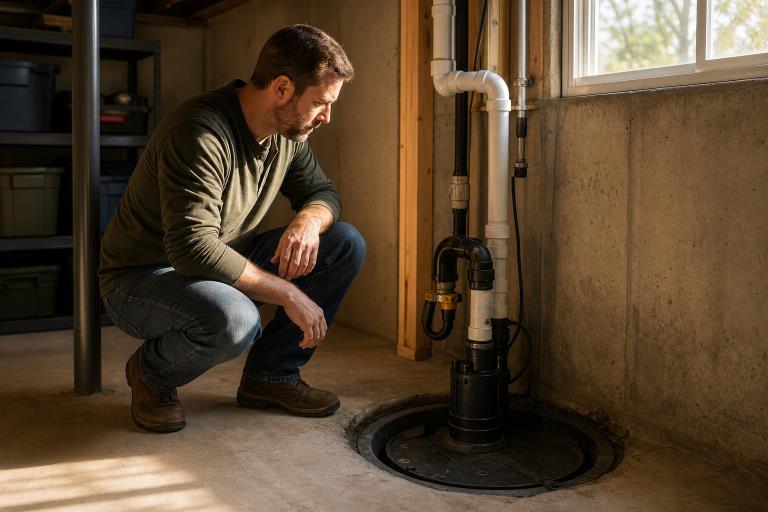
Spring is the time to look for damage left by freezing temperatures and prepare outdoor plumbing for heavier use. Check basement walls, floors, and utility areas after major rain. If the home has a sump pump, pour water into the pit to confirm that the float activates the pump and that the discharge line sends water away from the foundation.
Spring Checklist
- Reconnect outdoor hoses only after freezing weather has passed.
- Check hose bibs for cracks, drips, and weak water flow.
- Test the sump pump and inspect its discharge path.
- Look for damp spots near basement walls and floors.
- Run irrigation zones and inspect lines, valves, and sprinkler heads.
Summer Plumbing Tasks
Warm weather often means more outdoor watering, more laundry, and heavier use of kitchens and bathrooms. Outdoor leaks can be especially easy to miss because water disappears into mulch, grass, or soil. Walk through each sprinkler zone while it runs, rather than relying only on the irrigation timer.
Summer Checklist
- Look for broken sprinkler heads, overspray, and soggy areas of lawn.
- Check hose connections for leaks when the water is on.
- Clean the garbage disposal according to the manufacturer’s instructions.
- Inspect washing machine hoses for bulges, cracks, rust, or loose fittings.
- Keep grease, coffee grounds, pasta, and fibrous food scraps out of drains.
Fall Plumbing Tasks
Fall maintenance is largely about preventing winter damage. Pipes in garages, crawl spaces, attics, exterior walls, and unheated rooms are more vulnerable when temperatures drop. Before cold weather arrives, make sure outdoor plumbing is drained, and insulated areas are in good condition.
Fall Checklist
- Disconnect, drain, and store garden hoses.
- Close interior shutoff valves for outdoor faucets, if the home has them.
- Inspect exposed pipes for corrosion, cracks, or damaged insulation.
- Clear leaves and debris from exterior drains and downspout outlets.
- Check the water heater area for rust, dampness, and unusual sounds.
- Locate the main water shutoff valve and verify that it can be operated without force.
Winter Plumbing Tasks
Cold weather can put major stress on pipes and valves. Keep indoor temperatures steady, close garage doors, and open cabinet doors below sinks on exterior walls during severe cold to allow warmer air to circulate. Never use an open flame to thaw a frozen pipe. If water flow stops, frost appears on a pipe, or a pipe begins to bulge, shut off water if possible and call for help.
Winter Checklist
- Check seldom-used rooms for low temperatures, plumbing odors, or weak water flow.
- Keep vulnerable pipes exposed to warm indoor air when temperatures fall sharply.
- Watch for condensation or frost around supply lines.
- Know the fastest route to the main water shutoff valve.
Water Heater Care
A water heater deserves regular attention because a failing tank can cause significant damage. Look for moisture at supply connections, rust near the bottom of the tank, rumbling or popping noises, inconsistent water temperature, or hot water that runs out sooner than usual. The Department of Energy includes water-heating habits in its home energy checklist, with a reminder to set the water heater to around 120 degrees Fahrenheit for most households.
Water Heater Review
- Check the floor around the tank for moisture or corrosion.
- Inspect visible connections for leaks or mineral deposits.
- Follow the owner’s manual for maintenance recommendations.
- Do not adjust gas controls, electrical panels, or relief valves without proper training.
- Have older equipment or any visible leak assessed before a complete failure occurs.
Emergency Preparation
A basic plumbing emergency plan can limit damage from a burst pipe, an overflowing toilet, a leaking appliance, or a sewer backup. Keep a flashlight, bucket, towels, adjustable wrench, and plumber’s tape in an accessible place. Learn how to shut off the valves for toilets, sinks, washing machines, and the main water supply before an emergency happens.
First Steps During A Plumbing Emergency
- Shut off the nearest fixture valve or the main water supply.
- Keep water away from electrical equipment and outlets.
- Move valuables, furniture, and boxes away from standing water.
- Clean up small amounts of water when it is safe to do so.
- Take photos of visible damage and call a qualified professional for hidden, pressurized, or unsafe problems.
When To Call A Professional
Maintenance can prevent some issues, but it cannot replace a proper diagnosis and repair. Call a plumbing professional for recurring clogs, sewer odors, water heater leaks, low pressure throughout the home, unexplained moisture, frozen pipes, sewage backups, or water that reaches electrical equipment. A dripping faucet may be scheduled, but a burst supply line needs immediate action.
Final Checklist
The best plumbing maintenance plan is the one that actually gets used. Add monthly reminders, complete seasonal checks, record repairs, and keep track of equipment age and previous service. Pay attention to small changes, such as slow drains, unusual water pressure, dripping fixtures, or unexplained increases in water use, before they develop into larger problems. Knowing when appliances, pipes, valves, and water heaters were installed can also make future planning easier. A few minutes of attention throughout the year can make plumbing problems easier to find, easier to explain, and often less costly to resolve. It also helps homeowners plan repairs before an unexpected failure disrupts daily routines.