There are always loopholes in every dress code, and the people who stand out the most at the formal functions are the people who found them. No one remembers the guy who just wore what everyone else was wearing, only in black. Preparing for prom the right way is about reading the regulations carefully enough to understand all the things not explicitly included and creating an outfit within that area.
Decode The Actual Dress Code Before You Buy Anything
The word “formal” changes its meaning based on the specific three words mentioned on the prom invitation, and many errors occur because people make assumptions instead of verifying the actual dress code.
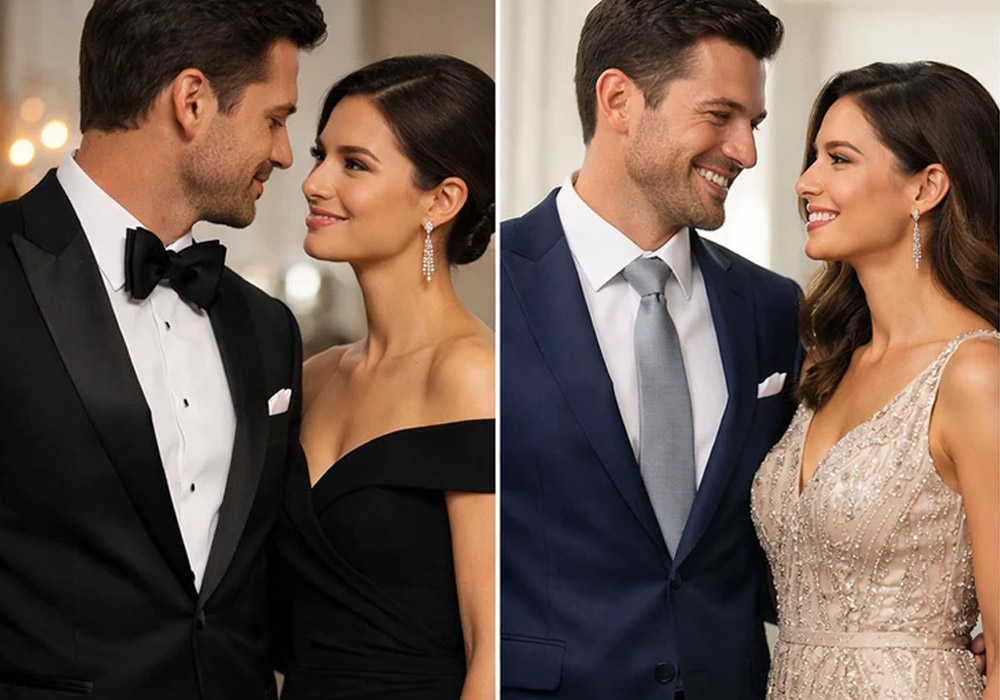
The most stringent level is black tie. It demands a tuxedo, a bow tie, and formal shoes. End of story. You can’t be creative here, but also, proms rarely require this tier. Black tie optional is a softer version of that: a tux is recommended, but if your dark suit is immaculate, it will do.
Semi-formal and cocktail attire are the actual prom winners, and they are also the categories offering the most flexibility. Semi-formal simply means you expect to wear a suit, but a tux isn’t in the picture. Cocktail brings in a bit more slack and allows for color, texture, and form. If you are given this option, you’ve got space to play around. Just ensure you are preparing for the right tier once again.
Fit Is The Part Nobody Notices Until It’s Wrong
An impeccably tailored suit that costs $200 will always look better than a $1,000 suit that’s drowning the person wearing it in every image captured during the event. Fit is the part no one wants to talk about because it doesn’t involve racks of high-shine wool or dreams of a well-dressed man whispering style tips into your ear. It’s the single most important thing, though.
The three keys: The seam of the shoulder should be right on the end of yours, not inching down your bicep or rolling over onto your back. The length of the jacket: long enough to cover your butt, short enough that it skims the ends of your fingertips when your arms hang straight down. Detail number three is the trouser break – where the fabric of the trousers hits the shoe. A slight break reads modern and clean, while a big pooling one looks sloppy no matter how good the fabric is.
Slim fit and classic fit shouldn’t just be jacket descriptions. The jacket dictates everything else you’re wearing. Straight lapels and a skinny tie are clues you should be looking for if you’re already wearing a slim fit. Go the other way and all of a sudden that pocket square is going to seem gigantic. The tie is going to seem alarmingly wide. It’s not a good idea. Build from your centerpiece.
Beat The Sea Of Black And Charcoal With Fabric, Not Just Color
Let’s talk about prom photos. They’re pretty much always group shots, taken under gym lights or strung fairy lights, with forty other people within a three-foot radius wearing some variation of black or navy. If the only thing separating you from everyone else is that you’ve also chosen black? You may as well not bother posing for the group shot, because there is nothing distinguishing you from the crowd.
This is where fabric and texture can swoop in, providing an easy way to stand out that doesn’t involve breaking any rules. Texture does not mean “less formal” – a velvet jacket actually reads as more formal than a flat wool one, not less, and it photographs with a depth that plain fabric just doesn’t have under gym lighting.
What else idea-wise can you play with? Herringbone might remind you of a posh man’s tweed, but its chevron pattern is built for reflecting light and adding intrigue without making your suit look costume-like. A subtle jacquard or tonal check are lower volume still, but will have people peering in because suits with patterns do quiet work that plain ones just can’t. This is the sweet spot where a lot of prom-goers get snagged. Most menswear racks, though improving, are stacked with your basic wedding guest numbers rather than the statement pieces that a semi-formal event like this actually demands.
It’s worth looking specifically for collections built around fabric variety – something like Twisted Tailor’s prom suit range, which leans into textured and patterned options designed for exactly this kind of event, is a useful place to see what “dress-code compliant but not boring” actually looks like on a rack.
Color Still Does More Work Than People Expect
Once you have fabric handled, color is a good place to start. People default to black and charcoal for good reason – they’re safe – but “safe” and “memorable” are opposing teams.
Midnight blue is the low-hanging fruit here. It looks almost identical to black in photos shot in low and artificial light so there’s not much difference there, except that it has a subtler depth that can come off as slightly more luxurious in person. Plus, it doesn’t have the slight funeral-ish connotations that head-to-toe black dress clothes can give off.
Burgundy and emerald are more adventurous but still fully acceptable within semi-formal and cocktail contexts. They’re color, but they’re not loud color, and jewel tones in particular play nice with artificial lighting in ways that pastels simply don’t.
None of this requires going head-to-toe in color. A midnight jacket with black trousers, or a burgundy jacket with a plain white shirt, gets you most of the visual benefit with none of the risk of looking like you’re trying too hard.
Let The Details Carry The Personality
Once you’ve got the suit itself nailed, accessories are your chance to go off-piste without contravening anything the dress code actually dictates.
A pocket square is about as low-risk an addition as you can make. It’s expected in most formal contexts, so wearing one shows willing rather than insubordination, and changing the fold or the color provides an essentially cost-free personal flourish. Cufflinks are a bit higher-risk-same-reward: they’re the thing that somebody will notice when you shake their hand, or that the photographer takes a close-up of. Socks are the point at which you can push the boat out a bit more, as they’re pretty much hidden in all but the seated position or an odd photo angle.
One flourish at a time. A patterned pocket square, loud cufflinks, and brightly colored socks altogether don’t read as expressive flair – they read as mess. Pick the one thing you want people to notice and like and let the rest of the outfit quietly get on with the job.
The Shirt And Neckwear Zone Is A Second Canvas
Many people view the shirt as a blank slate for the suit, but it’s actually the second opportunity to make a choice. A contrast collar or a subtle stripe beneath a solid jacket adds a layer the outfit can only benefit from, but a plain white shirt will not give it.
The choice between a bow tie and necktie is more meaningful than you might think. A bow tie looks slightly more studied and a hair more formal, and goes best with velvet or other textured jackets because it doesn’t compete against the visual “weight” of the fabric. A necktie gives you an elongated vertical line and a bit more punch with pattern or color, which suits a jacket with a solid, restrained color.
Neither is more “correct” than the other in semi-formal or cocktail, which makes this a real choice – and making one deliberately looks better than defaulting to whatever’s easiest to tie.
Buy Or Rent – And Why The Math Has Changed
People spend real money on prom. According to recent survey data from the National Retail Federation, prom spending per person is about $586, with total prom spending in the U.S. more than $1.2 billion per year. That’s real money, and the decision of whether to buy or rent should not just be made based on what your best friend happened to do the year before.
Renting is less expensive upfront and takes some of the worries about fit off your plate, but rental inventory is intentionally generic, and rental dates are inflexible – which means if your alterations appointment is delayed, you’re out of luck on size. Buying is more expensive at first but offers you complete control over the fit, and a well-chosen suit serves you again and again for weddings, interviews, and lots of other formal events in the years to come.
Compare the costs over three to five years rather than just one night, and the question becomes simpler – especially when you consider that a good number of guys will need a second or third rental if they’re going to multiple formal events in that span.
Plan Backward From The Date
Alterations are a weeks, not days game. A good tailor needs time to properly take the jacket in, hem the trousers, and adjust the sleeve length. Rush jobs tend to show. Six to eight weeks out from prom is the window in which you’ll need to order and get fitted – later than that and you’re negotiating with a tailor’s schedule rather than your own.
This is also when you need to talk to your group. Prom photos are group photos and nobody wants to be the guy clashing awfully against four mates who all planned their color palette together in group chat three weeks ago. You don’t need to match – in fact, matching outfits look worse in photos than complementary ones. But broadly knowing who’s wearing what is a good idea anyway. It avoids the awkward surprise of there being three people in near identical burgundy jackets standing under the same lights next to each other.
Grooming And Posture Finish What The Suit Started
Wearing the best-fitted, best-colored suit is not enough if the person wearing it does not look or feel good in it. Scuffed shoes can ruin a great outfit, so be sure to polish them and wear them in advance. The same goes for new shoes – wear them for a few hours before prom night. Haircuts should be done about a week before the event so that hair can fall into place by itself.
Good posture is essential. Shoulders back, chin level, standing tall in photos – it changes how the entire suit reads regardless of fit or fabric. Confidence is the best accessory one can wear. It never breaks a dress code and always looks good in pictures.
Standing out at prom was never about breaking the rules. It’s about knowing exactly where they end, and building something sharp, personal, and photo-ready in the space they leave open.