Lawrence Njabon Nkwisheu Francis is a business leader and technology innovator based in Toledo, Ohio, known for driving operational excellence across multiple industries. As chief executive officer of BlueSky Investments LLC and chief operating officer of Moonlight Care Services, Lawrence Njabon Francis develops and manages custom digital systems for employee management, including finance software that reduced accounting errors by 20 percent. Before his executive roles, he gained experience in technology and operations at Amazon.com as a product fulfillment and customer support specialist, where he streamlined inventory and order fulfillment processes. Outside of his professional work, Mr. Francis is an AWS certified developer and a member of the Order of Engineers whose hobbies include playing soccer and billiards, an interest that connects naturally to the technical rules governing what happens when a pool ball moves by accident during play.
A pool ball can move at the wrong moment for reasons outside the planned shot. A player’s body, clothing, cue, bridge, chalk, or other controlled equipment may disturb a ball, or a player may shoot while a ball is still moving or spinning. The ruling depends on what moved, when it moved, why it moved, whether it affected the shot, and the rule set.
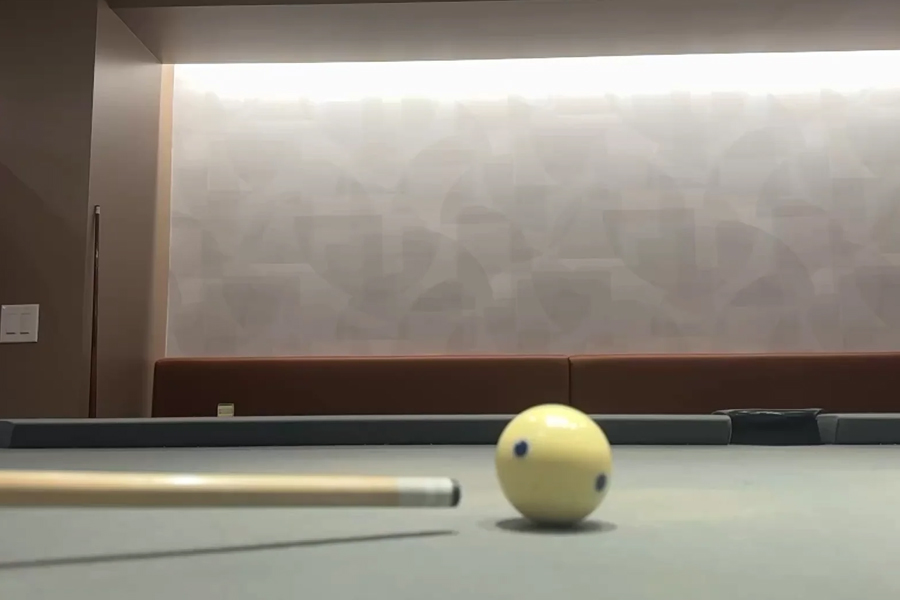
Pool rules use basic terms to separate these situations. The player strikes the white cue ball to begin a shot. Object balls are the other balls that the cue ball may strike or move during play. A foul is a rule violation, and the penalty can include ball-in-hand, which lets the next player place the cue ball by hand.
Timing matters because rules define a shot’s start and finish. A shot starts when the cue tip contacts the cue ball during a forward stroke. It ends only when every ball in play stops moving and spinning. That boundary helps decide whether movement happened during a shot, between shots, or before the next shot began.
A ball can also settle after it seems to have stopped. Settling means a ball moves by itself, without player contact. The movement may come from slight imperfections in the ball or table. Written rules treat settling differently from a player touching or moving a ball.
If a settling ball stays on the table, it may remain where it comes to rest. If it falls into a pocket because of settling, rules may require the referee to return it near its earlier position. If that drop affects a shot, rules may require restoration and replay. That distinction keeps natural table movement separate from player-caused disturbance.
Restoration means returning a disturbed ball as closely as possible to its prior position. It does not let either player choose a more useful pattern. When a referee handles placement, both players must accept that judgment. Without a referee, the rule set may let the opponent restore the ball, let the opponent choose whether to restore it, or require the shooter to get permission before touching it again.
Accidental contact by a player creates a separate question. A player’s body, clothing, or equipment can disturb a ball. A touched-ball rule can make that contact a foul. A disturbed-ball rule can instead allow restoration when one stationary object ball moves and the movement does not affect the shot.
Rules treat the cue ball separately because it starts the shot and appears in ball-in-hand and touched-ball foul rules. If a player touches or moves the cue ball outside ball-in-hand placement or normal forward-stroke contact, the ruling can change immediately. In some rule sets, disturbing the cue ball or letting an accidentally moved ball contact it creates ball-in-hand for the opponent.
Outside interference differs from a player disturbing a ball. A spectator, adjacent player, non-player action, or other influence beyond the players’ control can move balls. If the interference affects the outcome of the shot, rules may require restoration and replay. If it does not affect the shot, players address the disturbed balls under the rule set, and play can continue.
When a ball moves by accident, the rule check starts before anyone takes the next shot. Players identify whether the cue ball or an object ball moved, then decide whether the movement came from contact, settling, or outside interference. They also check whether the movement changed the shot. That sequence protects the table layout and limits disputes.
About Lawrence Njabon Francis
Lawrence Njabon Francis is chief executive officer of BlueSky Investments LLC and chief operating officer of Moonlight Care Services in Toledo, Ohio, where he develops custom digital systems for employee management. He previously worked at Amazon.com as a product fulfillment and customer support specialist, streamlining inventory and order fulfillment processes. An AWS certified developer and CPR-certified medication aide, he is a member of the Order of Engineers and enjoys soccer and billiards in his free time.