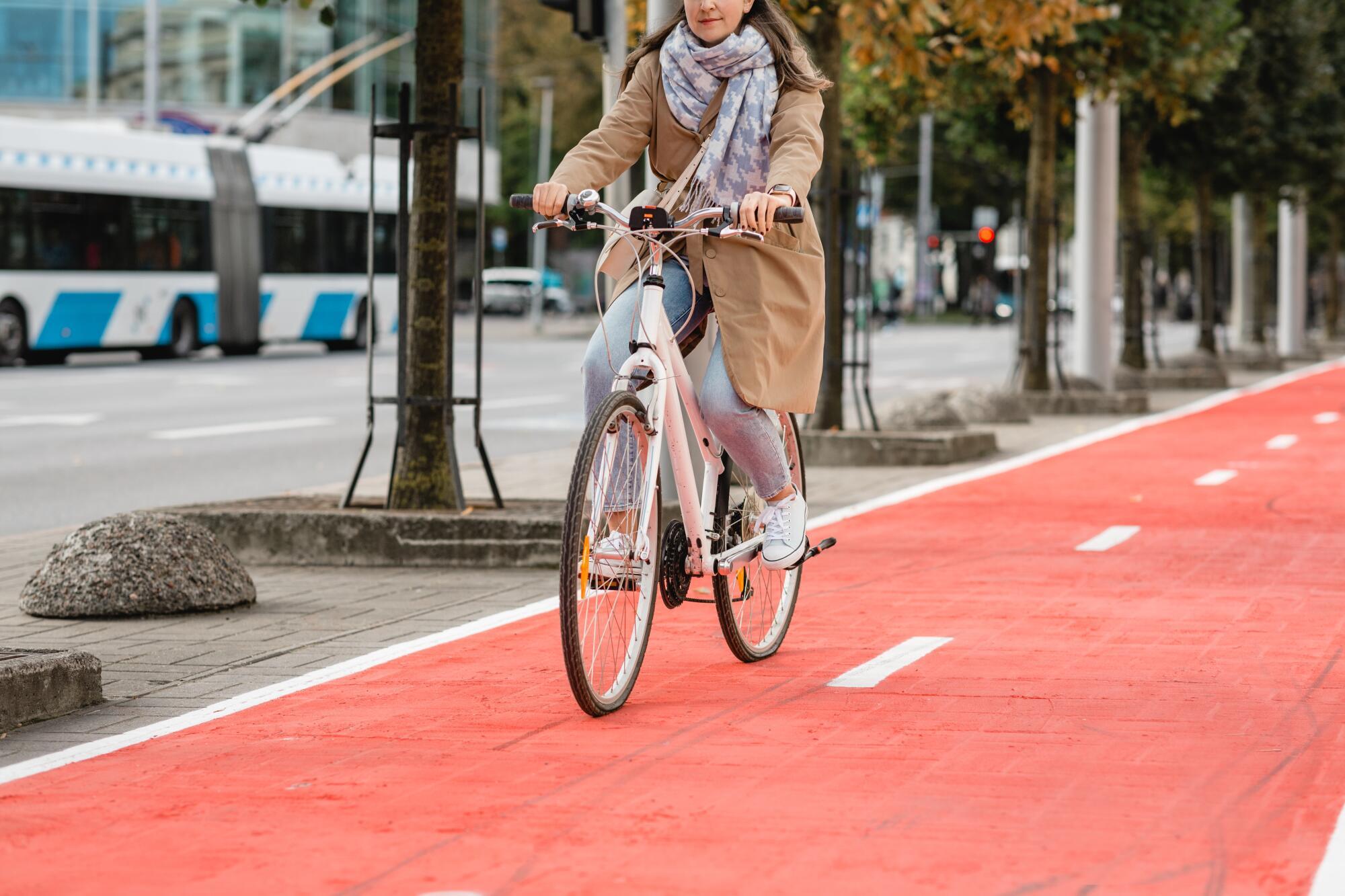
Choosing the ideal bicycle for daily city commutes changes how you experience your urban environment. Moving through traffic on two wheels saves time and keeps you active. Selecting the right frame, style, and setup makes all the difference for a smooth daily ride.
Understanding Your Daily Commuting Needs
Urban riding involves dynamic street conditions, variable weather, and frequent stops. Riders logged 550 million miles of bike commutes globally in a single year, highlighting the massive shift toward cycling. You need to evaluate the distance of your trip alongside your local terrain before making a purchase.
Short rides over flat roads require simple designs, while longer journeys across steep hills demand wider gear ranges. Your personal comfort level influences which setup feels best on daily routes. A bike that puts you in the wrong position will cause discomfort on daily rides and increase your injury risk over time.
Exploring Standard Urban Bicycle Styles
Hybrid bikes remain a top choice for city riders due to upright riding positions and sturdy frames. They combine the speed of road models with the durability of mountain bikes.
Commuters who need maximum portability often choose folding models. These compact options fit onto public transit and store neatly under office desks or inside small apartments.
Step-through frames offer easy mounting and dismounting when wearing work attire. Traditional step-over frames provide a stiffer feel that suits fast riders pushing through long distances.
Electric Bikes and Motorized Assistance
Electric bicycles continue gaining popularity among city commuters seeking extra power. They allow you to travel farther without arriving at work exhausted or sweaty.
Motor assistance helps clear steep inclines with ease and keeps momentum going through frequent traffic light stops. Battery ranges vary, so matching the power capacity to your daily round-trip mileage is key.
These models carry higher price tags and weigh more than traditional pedal bikes. Taking a test ride at a local bicycle shop helps you determine if the extra weight matches your daily storage situation. You can easily test different frames and gain expert guidance on gear setups.
Key Component Considerations for City Streets
Tires dictate how your bike handles wet asphalt, debris, and potholes. Puncture-resistant tires with wider profiles offer superior grip and cushion against rough pavement.
Internal gear hubs protect shifting components from rain, dirt, and street grime. They require far less maintenance than traditional derailleur systems, making them ideal for year-round commuters.
Disc brakes deliver reliable stopping power in wet conditions compared to traditional rim brakes. Hydraulic options provide crisp lever feel with minimal effort from your hands.
Essential Commuter Accessories and Gear
Equipping your ride with practical accessories improves every daily journey. Fenders keep street spray off your clothes during rainy morning trips.
Belt drives are clean with no grease, silent, and long-lasting for daily use. Adding a quality bell lets pedestrians know you are approaching on shared paths.
Theft Prevention and Security Measures
Securing your investment requires robust locking hardware and smart parking habits. Always lock your frame and rear wheel to a fixed, permanent structure.
Opt for a U-lock or folding lock with a minimum security rating of 9 to protect your bike from theft. Avoid leaving your bicycle in dark, low-traffic areas for long periods.
Removing quick-release components prevents thieves from stealing wheels or seats. Registering your frame serial number with local databases helps recovery efforts if a theft occurs.
Managing Weather and Seasonal Changes
Commuting throughout the year requires preparing for shifting weather patterns. Quality rain gear keeps you dry without overheating during warm summer storms.
Layering breathable fabrics allows body temperature control during cold winter mornings. Waterproof shoe covers and thermal gloves protect your extremities from chilling winds.
Winter roads often feature salt and grit that wear down moving parts rapidly. Cleaning your drivetrain weekly extends the lifespan of expensive components.
Routing and Riding Safely in Traffic
Planning safer routes away from heavy truck corridors reduces daily stress. Dedicated bike lanes and quiet neighborhood streets offer peaceful alternatives to main thoroughfares.
A study by the University of Auckland has shown that cyclists are the happiest commuters. Staying predictable and signaling turns clearly keeps drivers aware of your movements.
Data reveals a steady increase in bicycle trips following earlier dips in riding activity. Staying alert and aware of your surroundings prevents common city riding hazards.
Maintaining Your Urban Bicycle
Regular upkeep keeps your daily transport running smoothly and safely. Checking tire pressure weekly prevents pinch flats and improves rolling efficiency.
Wiping down the frame and chain removes corrosive road grit. Lubricating moving parts ensures quiet operation and prevents premature wear on gears.
Professional tune-ups once or twice a year catch minor issues before they turn into costly repairs. Mechanics inspect brake pads, cable tension, and wheel trueness to keep you rolling safely.
Budgeting for Your Commuter Bicycle
Setting a realistic budget helps narrow your options without sacrificing essential features. Entry-level commuter bikes provide reliable performance for short urban rides, while mid-range models often include lighter frames, better drivetrains, and higher-quality brakes.
Remember to factor in the cost of accessories alongside the bike itself. A durable lock, helmet, lights, fenders, and a repair kit can add a significant amount to your total investment but are essential for everyday commuting.
Buying from a reputable local bike shop often includes professional assembly, sizing, and follow-up adjustments. While online deals may seem attractive, expert fitting and ongoing support can provide better long-term value.
Test Riding Before You Buy
A test ride is the best way to determine whether a bicycle feels comfortable and responsive. Pay attention to the riding position, steering, braking performance, and how easily you can start, stop, and maneuver through tight spaces.
Try riding over different surfaces if possible, including smooth pavement, rough roads, and small inclines. This gives you a better understanding of how the bike handles real-world commuting conditions rather than just showroom floors.
Don’t hesitate to compare multiple models before making a decision. Even bikes with similar specifications can feel very different, and choosing the one that fits your body and riding style will make daily commuting far more enjoyable.
Final Thoughts
Finding the right city bicycle turns a daily chore into an enjoyable part of your routine. Taking time to evaluate your route, choosing comfortable components, and maintaining your setup guarantees years of reliable urban riding. Make sure to check out the rest of our articles!