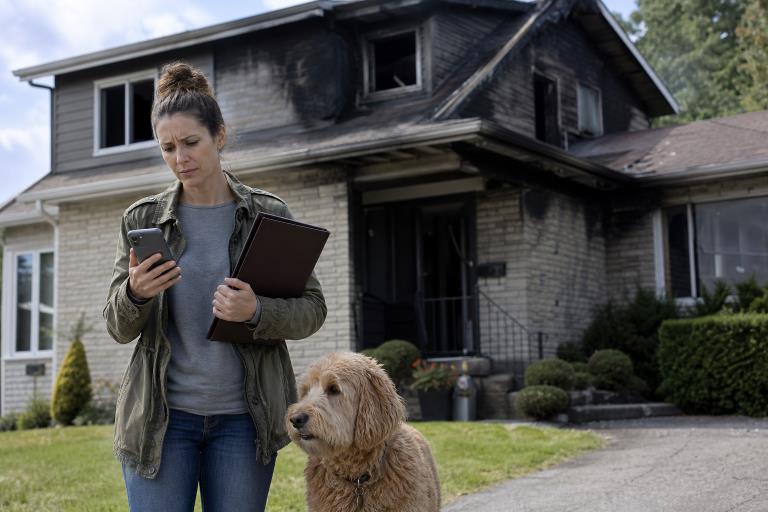
A house fire can leave homeowners overwhelmed long after the flames are out. During the first day, the most important priorities are protecting people and pets, avoiding unsafe areas, preserving evidence of damage, and beginning a clear recovery process. Fast decisions matter, but they should never come before personal safety.
Once fire officials allow access, professional fire and smoke damage cleanup in Utah can help address soot, odors, water, and damaged materials that may continue affecting the property. Until then, focus on only the essential steps that protect your household, your home, and your insurance claim.
Why the First 24 Hours Matter
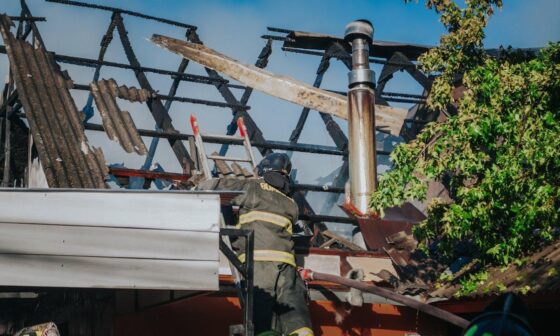
Fire damage does not stop when the fire is extinguished. Soot can spread through the home, smoke odors can settle into fabrics and wall cavities, and firefighting water can seep beneath flooring or into insulation. Broken glass, weakened ceilings, exposed wiring, and contaminated surfaces can also create immediate hazards.
A simple timeline can make the day feel more manageable:
- First hour: Confirm everyone is safe, seek medical care if needed, and wait for official instructions.
- First six hours: Find a safe place to stay, contact your insurer, and start saving receipts.
- First day: Document visible damage, arrange emergency property protection, and plan inspections or cleanup.
Put Safety First
Do not re-enter the home until the fire department, building inspector, or another qualified authority says it is safe. The American Red Cross guidance for checking a home after a fire advises residents to follow official instructions and avoid entering areas marked as unsafe.
- Stay away from sagging ceilings, damaged floors, cracked foundations, and unstable walls.
- Do not turn on gas, electricity, water, or appliances without professional approval.
- Leave immediately if you smell gas, hear hissing, see smoke, or notice a hot spot.
- Keep children away from the property during the first inspection.
- Wear closed-toe shoes and avoid touching damaged electrical equipment or sharp debris.
Care for People and Pets
Account for every family member and pet before dealing with the property. Seek medical attention for burns, trouble breathing, dizziness, chest pain, severe coughing, or confusion. Smoke exposure can be serious even when symptoms seem minor at first.
Pets may hide pain, inhale smoke, or suffer stress after a fire. Contact a veterinarian if a pet was inside during the incident, especially if it is coughing, lethargic, distressed, or has singed fur. Gather medications, identification, chargers, essential clothing, and pet supplies before settling into temporary housing.
Secure the Property
If officials permit it, take reasonable steps to protect the home from rain, wind, theft, and unauthorized entry. This may include emergency board-up service for broken windows or temporary covering for roof openings. Do not attempt repairs that require climbing, electrical work, structural changes, or exposure to contaminated materials.
Keep receipts for emergency lodging, meals, clothing, transportation, boarding for pets, and temporary security measures. These records may support an insurance claim and help you track the true cost of displacement.
Document the Damage
Photograph and record the condition of the property before cleaning, moving, or discarding items whenever it is safe to do so. Start outside, then capture wide images of every affected room. Take close-up photos of ceilings, walls, flooring, appliances, furniture, electronics, and personal belongings.
- Make a basic inventory of damaged or missing possessions.
- Record the date, time, and known location of the fire.
- Save fire reports, inspection notices, estimates, and communication with service providers.
- Keep damaged items unless they are unsafe, or your insurer directs otherwise.
Contact Insurance and Ask Key Questions
Contact your homeowners or renters insurance provider as soon as possible. Ask for the claim number, the adjuster’s contact information, and instructions for urgent repairs. The U.S. Fire Administration’s post-fire guidance also offers useful information about recovery planning, insurance records, and replacing important documents.
Ask whether your policy may cover temporary housing, smoke cleaning, water removal, debris removal, storage, and reasonable additional living expenses. Confirm whether an adjuster needs to inspect the home or specific belongings before anything is removed or thrown away.
Avoid Common Post-Fire Mistakes
Well-intended actions can complicate recovery. Do not use household cleaners on soot without knowing whether they may smear residue or damage surfaces. Do not use appliances exposed to heat, smoke, or water. Avoid masking odors with candles, sprays, or scented products, since these can make the air harder to evaluate and may introduce another fire risk.
Also, avoid guessing publicly about the cause of the fire. Let fire investigators and qualified professionals determine what happened.
Watch for Smoke and Water Damage
Smoke can travel far beyond the room where the fire started. Residue may settle in ducts, closets, upholstery, electronics, and rooms that appear untouched. Firefighting water can create hidden moisture behind walls, under flooring, and inside insulation. Prompt assessment is especially important when structural materials, wiring, HVAC systems, or porous belongings are affected.
Plan the Next Steps
- Confirm safe lodging for people and pets.
- Open the insurance claim and store the claim number in one place.
- Arrange emergency protection for vulnerable openings.
- Schedule qualified inspections and discuss the cleanup scope.
- Separate urgent stabilization work from long-term reconstruction.
- Maintain one folder for photos, reports, receipts, estimates, and contacts.
Frequently Asked Questions
How soon can a homeowner go back inside after a fire?
Only after fire officials, building inspectors, or other qualified authorities confirm that it is safe. Serious structural and electrical hazards may not be visible.
Should damaged belongings be thrown away immediately?
No. Photograph the items first and ask your insurer how to proceed. Food, medicine, and items exposed to soot, smoke, heat, or contaminated water may need disposal.
Can smoke damage affect rooms that look clean?
Yes. Smoke can move through ventilation systems, cracks, wall cavities, and soft materials, leaving odor or residue in areas far from the fire.
What if the home is not livable?
Arrange temporary housing through family, friends, community resources, or available insurance benefits. Keep receipts for reasonable living expenses from the first day.
Final Thoughts
The first 24 hours after a house fire are about safety, documentation, and steady decision-making. Put people before property, preserve records before disposal, and rely on qualified officials and professionals for dangerous work. A calm, organized response can reduce additional damage and create a stronger foundation for recovery.