A refrigerator that suddenly starts humming, rattling, or buzzing louder than usual can turn a quiet kitchen into an annoying space. Many homeowners in the Tri-Cities notice the noise first at night when the house is still, and the constant drone makes it hard to ignore. Just as you might search for reliable garburator repair port moody when your disposal starts acting up, a loud fridge fan is another common appliance issue that deserves attention before it leads to bigger problems. Understanding why the fan is loud and knowing how to quiet it can save energy, extend the life of your appliance, and restore peace to your home in Coquitlam, Port Coquitlam, or Port Moody.
Understanding How Refrigerator Fans Work
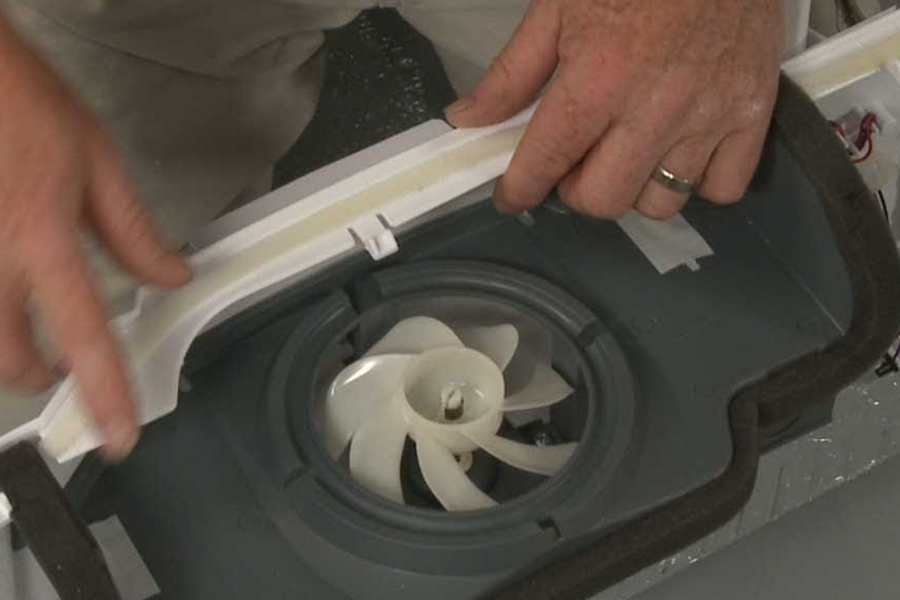
Modern refrigerators rely on more than one fan to keep food cold and the system running efficiently. The two main fans are the evaporator fan and the condenser fan. The evaporator fan sits inside the freezer compartment and circulates cold air through the fridge and freezer sections. The condenser fan, usually located near the compressor at the bottom or back of the unit, helps pull heat away from the condenser coils so the refrigerant can cool properly.
Both fans are designed to run quietly under normal conditions. When something interferes with their operation—dirt, ice, worn parts, or restricted airflow—the noise level rises. A healthy fridge should produce a soft, steady hum. Anything sharper, louder, or intermittent usually points to a specific mechanical issue rather than normal operation. Over the years, these fans run for thousands of hours, so regular care is essential for keeping them performing at their best.
Common Reasons Why Your Refrigerator’s Fan Is Loud
Several everyday problems can make a fridge fan sound much louder than it should. Here are the most frequent causes homeowners encounter:
- Dust and debris buildup Condenser coils and the condenser fan blades collect dust, pet hair, and kitchen grease over time. When the fan has to push air through a thick layer of grime, it works harder and creates a grinding or rattling sound. This is especially common in homes with carpets or multiple pets.
- Ice accumulation on the evaporator fan If the defrost system is not working correctly, frost can form around the evaporator fan blades in the freezer. The blades then strike the ice with every rotation, producing a clicking, scraping, or thumping noise that can wake light sleepers.
- Worn or failing fan motor bearings After years of continuous use, the small bearings inside the fan motor can dry out or wear down. This often results in a high-pitched squeal, whirring, or uneven rumble that grows louder as the motor struggles.
- Obstructed or bent fan blades A piece of packaging, a loose shelf clip, or even a shifted food item can come into contact with the blades. Bent blades throw the fan out of balance and create a rhythmic thumping or vibrating sound.
- Compressor or mounting issues that amplify fan noise Sometimes the fan itself is fine, but vibration from the compressor or loose mounting brackets travels through the cabinet and makes the fan noise seem much worse.
- Restricted airflow around the unit When a fridge is pushed too tightly against the wall or surrounded by cabinets with poor clearance, the condenser fan has to work overtime. The extra strain shows up as increased noise and higher energy use.
- Aging components in older models Fridges over 10 years old often develop multiple small issues at once, with fan noise being one of the earliest warning signs.
Recognizing which of these problems is present is the first step toward a quieter kitchen.
How to Identify Which Fan Is Making the Noise
Before you start taking panels off, spend a few minutes diagnosing the source. Open the freezer door and listen carefully. If the noise gets louder or changes pitch when the door is open, the evaporator fan is usually the culprit. Close the door, then pull the fridge away from the wall (with help if it’s heavy) and listen near the bottom rear. A louder sound coming from the lower back points to the condenser fan.
You can also feel for vibration. Place your hand lightly on the side of the fridge or on the freezer wall. Strong vibration in one area often matches the noisy fan. Another simple test is to unplug the refrigerator for a few minutes, then plug it back in and note when the noise returns. Many units run the condenser fan almost continuously while the compressor is on, while the evaporator fan cycles with the cooling demand.
Pay attention to patterns too. Does the noise happen only during cooling cycles? Is it constant? Does it change when you open the doors? These clues help narrow down the issue quickly.
Simple DIY Steps to Quiet a Loud Refrigerator Fan
Many noise problems can be fixed without special tools or technical training. Always unplug the refrigerator before any inspection or cleaning work for safety.
- Clean the condenser coils and fan Unplug the unit and pull it carefully away from the wall. Remove the lower rear access panel if one is present. Use a vacuum with a soft brush attachment and a long condenser coil brush (available at most hardware stores) to remove dust from the coils and fan blades. Wipe the blades gently with a damp cloth. Once everything is clean and dry, reassemble the panel and plug the fridge back in. In many cases the noise drops noticeably within a few hours.
- Defrost the evaporator fan area If you suspect ice buildup, empty the freezer and leave the doors open with the unit unplugged for several hours, or use the manual defrost setting if available. Do not chip at the ice with sharp tools — this can damage components. Once the ice has melted and the area is completely dry, restart the fridge. The scraping or clicking sound often disappears immediately.
- Check for and remove any physical obstructions Inspect the freezer compartment for items that may have shifted against the evaporator fan cover. Look behind the lower grille for anything that could be touching the condenser fan. Straighten any bent blades carefully with needle-nose pliers if they are only slightly out of true.
- Tighten loose panels and mounts Vibration can make normal fan noise seem much worse. Check that the rear access panel, front grille, and any visible mounting screws are snug. A loose panel acts like a sounding board and amplifies every sound the fan produces.
- Level the refrigerator An uneven fridge can cause the compressor and fans to vibrate more. Adjust the front leveling legs until a bubble level shows the unit is sitting level both side-to-side and front-to-back. This simple step often reduces overall noise significantly.
- Improve ventilation around the appliance Ensure at least 2–3 inches of space on the sides and top, and 3–5 inches at the back. Move the fridge slightly if it’s too close to walls or cabinets.
These steps resolve a large percentage of loud-fan complaints reported by local customers.
When Cleaning Is Not Enough: Fan Motor and Blade Replacement
Fan motors eventually reach the end of their service life. A motor that continues to squeal or grind after thorough cleaning usually needs replacement. Evaporator fan motors are generally accessible from inside the freezer after removing a few screws and the fan cover. Condenser fan motors sit near the compressor and require removing the rear lower panel.
Replacement is straightforward for someone comfortable with basic appliance work, but it does involve matching the exact motor model, handling wiring connectors carefully, and ensuring the new fan spins freely without touching anything. If the blades themselves are cracked or badly warped, they should be replaced at the same time. Using the wrong blade or motor can create new balance problems and even louder operation.
Preventive Habits That Keep Fan Noise Away
A few regular habits go a long way toward preventing loud fans in the first place:
- Vacuum the condenser coils at least twice a year, more often if you have pets.
- Keep at least two to three inches of clearance behind and above the refrigerator for proper airflow.
- Avoid packing the freezer so tightly that cold air cannot circulate around the evaporator fan.
- Wipe up spills promptly so sticky residue does not attract dust to the fan areas.
- Listen for early changes in sound. A slight increase in volume is easier to correct than a fully failing motor.
- Schedule annual professional tune-ups for older units.
These small actions reduce strain on both fans and help the entire cooling system run more efficiently, especially during hot summer months when the fridge works harder.
Energy Use and the Cost of Ignoring a Loud Fan
A fan that is working harder because of dirt, ice, or worn bearings draws more electricity. Over months and years the extra energy use adds up on the utility bill. More importantly, restricted airflow forces the compressor to run longer cycles, which shortens its life and can lead to expensive failures. Addressing fan noise early is one of the most cost-effective forms of refrigerator maintenance.
Different fridge styles have slightly different fan behaviors. Top-freezer models tend to have more accessible evaporator fans, while French door and side-by-side units can have multiple fans that require more careful diagnosis.
Professional Help When DIY Is Not Practical
Some situations call for a trained technician. If the noise continues after cleaning and basic checks, if you are uncomfortable removing panels or handling electrical connections, or if the refrigerator is still under warranty, professional service is the safer route. Technicians carry the correct replacement parts, diagnostic tools, and experience to identify less obvious problems such as failing start relays or refrigerant issues that can indirectly increase fan noise.
Homeowners in Coquitlam, Port Coquitlam, and Port Moody have convenient access to local appliance specialists who understand the specific models common in the area and can often complete most fan-related repairs in a single visit.
Final Thoughts on Restoring Quiet Operation
A loud refrigerator fan is rarely something that fixes itself. Dust, ice, worn bearings, and restricted airflow are the usual suspects, and most of them respond well to cleaning, defrosting, and careful inspection. Taking the time to diagnose the source and perform the appropriate maintenance restores quiet operation, improves efficiency, and helps the appliance last longer.
When the problem goes beyond basic upkeep or you simply prefer to leave the work to experienced hands, local support is available. For reliable service that covers the Tri-Cities, consider professional fridge repair port coquitlam through the team at Tri-City Repairs. Their technicians are familiar with the full range of refrigerator fan issues and can return your kitchen to peaceful background levels quickly and correctly. Call (604) 359-5952 to schedule an appointment and stop living with the constant drone of a noisy fridge.