If you have sensitive skin, fighting hyperpigmentation can be like walking on a tightrope. Older skin-lightening methods can cause redness, stinging and inflammation, and may even make the discoloration worse. Fortunately, women with sensitive, easily irritated skin can have a safer, more personalized approach to pigmentation removal without harming their skin barrier. Knowing how light and chemical treatments impact sensitive tissue will help you select effective but gentle treatments that will smooth away dark spots and do it safely.
Understanding Pigmentation Treatments and Sensitive Skin Reactions
Sensitive skin has a weakened natural barrier, allowing moisture to escape and environmental irritants to penetrate easily. If the skin is rubbed hard, or treated with too much heat or aggressive chemicals, the melanocytes react defensively and produce too much melanin.
It is a defensive reaction which often leads to post-inflammatory hyperpigmentation. If the skin gets inflamed, harsh treatments to fade sun spots or acne marks can inadvertently create new, darker patches. If you have sensitive skin, seek out treatments that regulate thermal energy, use low active concentrations and contain soothing ingredients. Slow and gradual approach, not aggressive, single sessions is needed to fade discoloration on delicate skin.
Tough Traditional Techniques vs. Soft Alternatives
Selecting the appropriate treatment route requires understanding the distinction between high-intensity procedures and skin barrier-friendly alternatives for sensitive skin.
But to compare aggressive treatments to gentle-sensitive-skin-approved options:
- Aggressive ablative lasers produce a lot of heat which can easily lead to post-inflammatory dark spots. Low-fluence picosecond lasers use ultra-short light pulses to gently break up pigment while minimizing heat build-up.
- High-concentration acid peels remove protective epidermal layers, leading to heavy peeling, while gentle polyhydroxy acid peels remove dead skin cells on the surface without disturbing moisture levels.
- Harsh mechanical scrubs create micro-tears and surface flushing; botanical brightening serums soothe underlying irritation and gradually slow melanin synthesis.
Opting for gentle, progressive alternatives keeps your skin barrier intact and hyperpigmentation fades away slowly.
Gentle & Safe Clinical Solutions for Sensitive Skin
Ultra-Short Pulse Picosecond Lasers
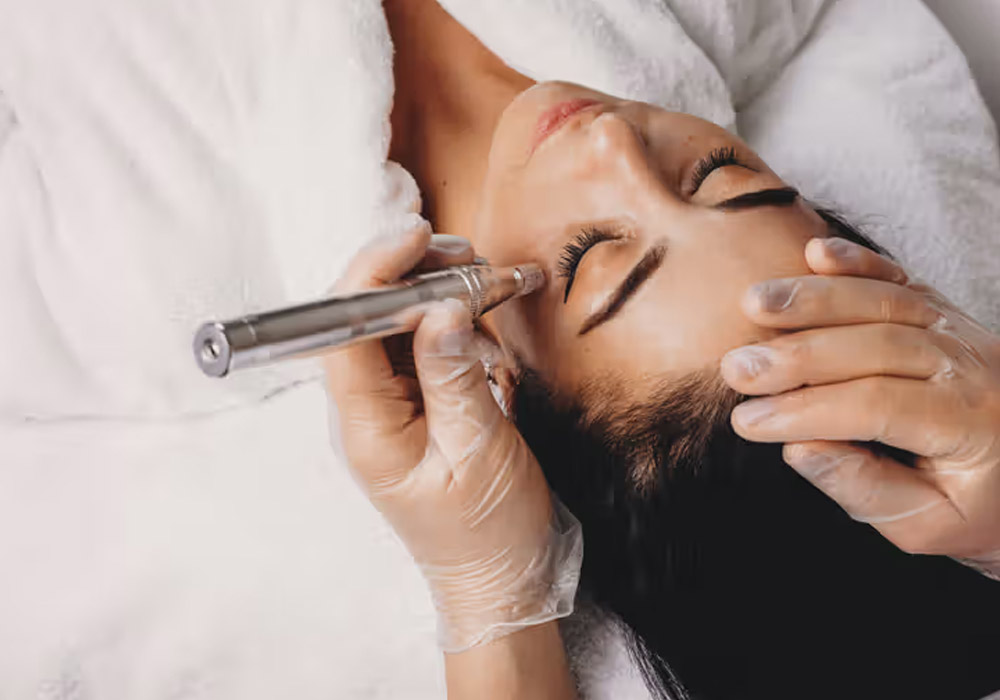
State of the art picosecond laser technology makes treatment safer for reactive complexions. Picosecond lasers deliver energy in trillionths of a second, instead of using prolonged heat that can damage delicate tissue. The photoacoustic effect breaks the dense clusters of melanin into small dust-like particles by light pressure, not by thermal stress. Minimal heat transfer means there is virtually no risk of post-treatment inflammation or dark spot rebound for delicate skin.
Polyhydroxy Acid and Low-Strength Enzyme Peels
Conventional chemical peels with high concentrations of glycolic acid often result in burning and prolonged erythema of the sensitive skin. Polyhydroxy acids are a much milder alternative as they are larger molecules that do not penetrate deeply and abruptly. PHA peels slowly exfoliate dead surface cells and draw moisture into the skin barrier. Also, natural fruit enzyme peels break down the excess pigment-loaded cells without thermal or chemical distress.
Botanical Brighteners for the Skin
Daily home care is essential to sustaining clinical outcomes. Sensitive skin types do well with gentle topical brighteners such as tranexamic acid, azelaic acid and licorice root extract. Azelaic acid reduces redness by blocking the enzyme responsible for overproduction of melanin. Tranexamic acid soothes internal inflammatory pathways that cause flare-ups of melasma, with a safe daily solution that boosts skin resilience.
Barrier Repair Basics and Sun Protection
To maintain the results, strict daily sun protection and barrier care are a must while keeping sensitive skin calm. For sensitive skin, broad spectrum physical sunscreens containing zinc oxide or titanium oxide provide better protection. Physical minerals sit on the surface of the stratum corneum and completely deflect harmful rays away, while chemical filters absorb UV rays and convert them to heat within the skin.
Layer your moisture with barrier-repairing ceramides, squalane, and panthenol, and pair with a daily mineral sunscreen. A strong skin barrier better tolerates clinical treatments and prevents future dark spots due to inflammation.
Collaboration with Expert Skin Specialists
Expert guidance, comprehensive patch testing, and individual treatment parameters are all required for sensitive skin issues. Booking a detailed diagnostic consultation at an experienced Aesthetic Clinic provides women with sensitive skin with peace of mind. Your barrier health is tested by medical practitioners, the exact depth of your discoloration is measured, and laser energy settings are precisely tailored to prevent unwanted side effects. A partnership with trained professionals guarantees a comfortable and smooth ride to clear and even skin tone.
Long-Lasting Clarity for Sensitive Complexions
Clearing dark spots on sensitive skin requires patience, gentle technology, and an unshakable commitment to barrier health. To safely fade hyperpigmentation, avoid harsh chemical or thermal treatments and instead opt for gentle picosecond lasers, mild PHA exfoliants and mineral sunscreens. A considered, barrier-first approach returns your skin to its natural clarity, balance and radiant confidence without irritation.