Making fitness work at home can feel easier in theory than in real life. You may have good intentions, a clear corner in the living room, and even a mat that looked promising when you bought it. Then work runs late, the laundry stares at you, and the sofa starts making persuasive arguments. The good news is that a home routine does not need to be perfect to be effective. It just needs to fit your life well enough that you can keep showing up.
Why Home Fitness Works
Exercising at home removes several common barriers at once. You do not need to commute, wait for equipment, or feel self-conscious in a busy room full of mirrors. That convenience matters more than people sometimes admit. If something is easy to start, you are more likely to keep doing it.
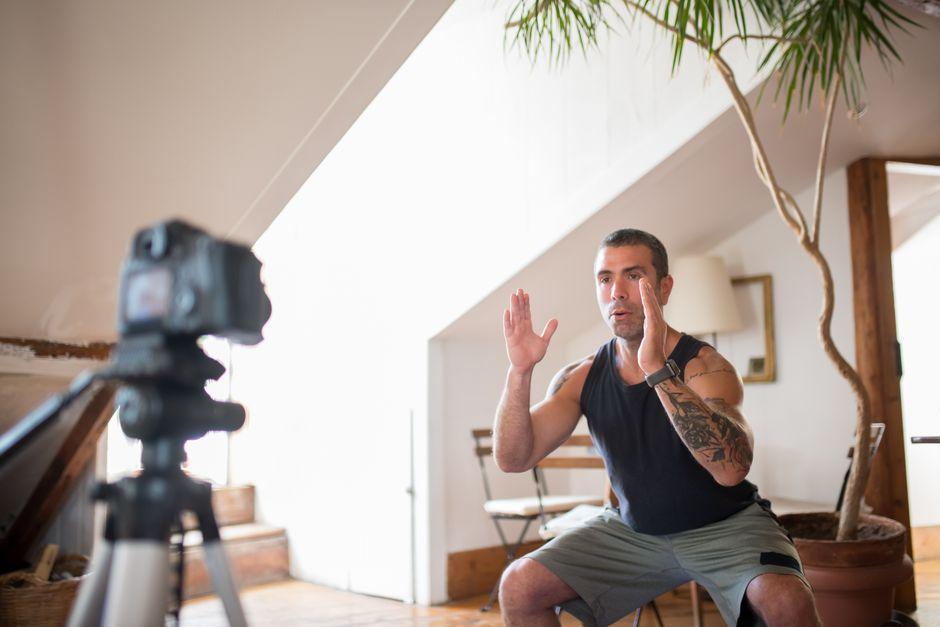
Home fitness also gives you more control. You can choose the time, pace, and style that suit your day. If you want more structure, hiring an at home personal trainer can be a practical way to get professional support without leaving your house. That option can work well if you want guidance, accountability, and a plan built around your space and goals.
For many people, home exercise feels less intimidating. You can learn at your own pace, pause when needed, and focus on progress rather than comparison. That privacy often helps confidence grow faster.
Set Realistic Weekly Goals
A good routine starts with goals that match your actual life, not your best-case fantasy week. If you promise yourself six intense sessions when you barely have time for two, the plan may collapse by Thursday. It is much smarter to begin with something you can repeat consistently.
Try thinking in terms of simple outcomes. You might aim to move three times a week, improve your energy, or feel stronger getting through daily tasks. Those goals are clear and useful. They also leave room for real life, which rarely behaves like a neatly printed planner.
You can make your goals easier to follow by keeping them specific. For example:
- Two 30-minute strength sessions
- One short mobility session
- A brisk walk on two other days
That may not sound dramatic, but it adds up. Small wins create momentum. Once your routine feels stable, you can build on it without turning your calendar into a fitness obstacle course.
Create A Usable Space
You do not need a home gym with matching dumbbells lined up like proud little soldiers. You just need a space that feels safe, practical, and ready enough that starting does not become a project. Even a small patch of floor can work if you prepare it properly.
Begin with the basics. Make sure you have enough room to stretch your arms, step side to side, and lie down if needed. Check the floor for anything slippery or awkward. A mat can help, especially on hard surfaces, but it does not need to be fancy.
A few small details make a real difference:
- Good lighting so the area feels inviting
- A towel and water bottle nearby
- A chair or wall for balance support
- Basic equipment like bands or light weights
If you live in a flat or shared home, choose quieter movements when needed. Marching, controlled squats, and slow strength work are often neighbor-friendly. The best setup is the one you can use regularly without rearranging half the house.
Choose Exercises You Enjoy
The most effective workout style is usually the one you do often enough for it to matter. That is why enjoyment deserves more respect. If you dislike every minute of a routine, motivation tends to vanish quickly. Fitness should challenge you, but it should not feel like a weekly argument.
Start with movements that seem approachable. Bodyweight exercises are a solid option because they are simple and adaptable. Squats, wall push-ups, glute bridges, and step-ups can build strength without much equipment. If you prefer something gentler, mobility work and stretching sessions can still improve how you feel and move.
You might enjoy variety more than repetition. In that case, rotate your sessions through the week. One day could focus on strength, another on low-impact cardio, and another on flexibility. That keeps things fresh without making your plan chaotic.
It also helps to notice what gives you a sense of progress. Some people like feeling stronger. Others like better posture, improved balance, or less stiffness after long workdays. Those changes count, and they often appear before dramatic visual results.
Plan Around Daily Life
A home routine works best when it fits into your day without demanding heroic effort. That means being honest about your schedule, energy, and responsibilities. If mornings are rushed and evenings are unpredictable, forcing a long daily session may not be realistic.
Look for pockets of time that already make sense. You might exercise before a shower, after school drop-off, or during a lunch break a few times a week. Shorter sessions can be surprisingly effective when you stay focused. Twenty useful minutes often beat an hour you keep postponing.
It helps to plan for different kinds of days. On high-energy days, you may want a full workout. On lower-energy days, a shorter session can keep the habit alive. That flexibility is not a compromise. It is a strategy.
Think of movement as part of your routine rather than a separate event that requires ideal conditions. Once it has a regular place in your week, it starts to feel less like a disruption and more like maintenance for your body and mind.
Stay Consistent Without Pressure
Consistency matters, but pressure can backfire. If every missed session feels like failure, you may start avoiding the routine altogether. A better approach is to treat fitness as something you return to, not something you either do perfectly or abandon.
Tracking can help, as long as you keep it simple. You might note how many sessions you completed, how your energy felt, or whether certain movements became easier. Those signs of progress are useful because they show change beyond the scale.
You should also expect your routine to evolve. Some weeks will be busy. Some workouts will feel great, and others will feel like your limbs are filing a formal complaint. That is normal. Adjusting does not mean you lack discipline. It means you are paying attention.
If you keep your routine practical, flexible, and suited to your home life, it becomes much easier to maintain over time. That is where the real value sits. Not in perfection, but in building a pattern you can keep.