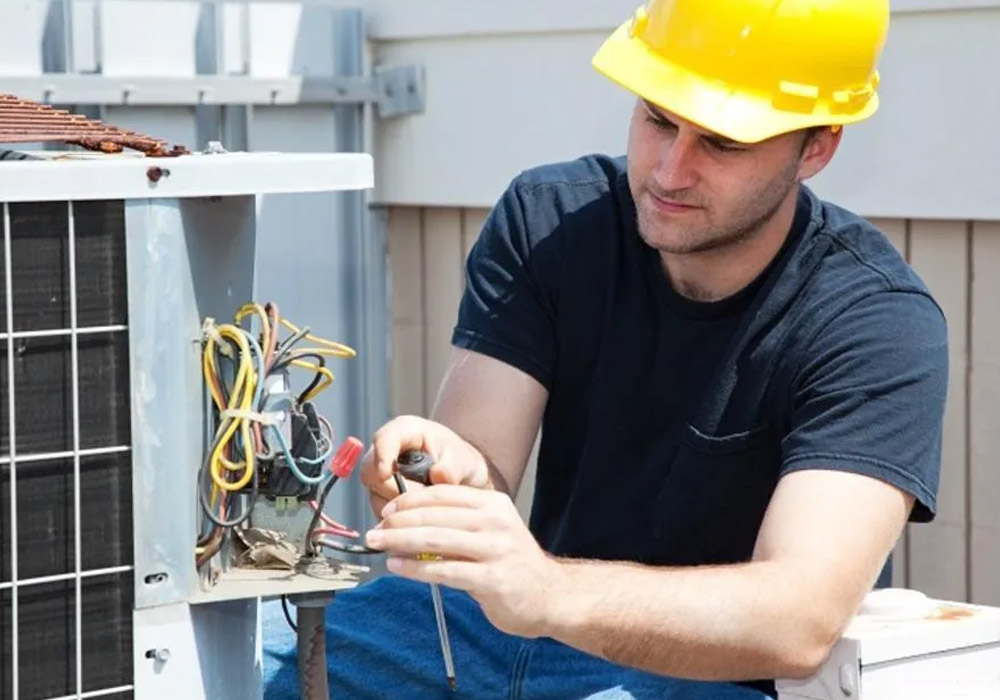
Buying a first home is an exciting milestone, but it also introduces responsibilities that many people have never handled before. One of the most important systems in any home is the heating and cooling equipment, which affects comfort, indoor air quality, energy costs, and the property’s overall condition. New homeowners often focus on cosmetic improvements while overlooking the value of understanding how their HVAC system operates and who should maintain it. Taking the time to learn about inspections, maintenance expectations, service agreements, and contractor qualifications can prevent expensive surprises and help homeowners make informed decisions in every season.
What to Consider Before You Choose a Contractor
Learn the Condition of Your Existing HVAC System
Many first-time homeowners assume that if the heating or cooling system works during the home inspection, it will continue operating without problems for years. In reality, an HVAC system may function while still showing signs of aging, reduced efficiency, or hidden wear. Before hiring a contractor, homeowners should gather as much information as possible about the equipment already installed. This includes the age of the furnace or air conditioner, maintenance history, warranty information, filter sizes, and any previous repair records. Understanding these details allows homeowners to have more productive conversations with contractors, rather than relying solely on recommendations that may not fully match the home’s needs.
A careful evaluation also helps distinguish between maintenance that can extend equipment life and situations in which replacement may be the more practical financial decision. Asking questions about airflow, thermostat accuracy, duct condition, refrigerant levels, and seasonal performance creates a more complete picture of the home’s comfort system. One helpful approach is comparing recommendations from local HVAC companies near Halifax before deciding which maintenance or repair plan aligns with the home’s condition and future goals. Investing time in understanding the system first creates greater confidence throughout every stage of homeownership.
Understand the Importance of Licensing, Insurance, and Communication
Choosing a contractor involves much more than comparing prices. First-time homeowners benefit from understanding why proper licensing, insurance coverage, and professional communication matter throughout the service process. A licensed contractor demonstrates compliance with applicable regulations, while insurance helps protect both the homeowner and the workers in the event of unexpected incidents during installation or repairs. Equally important is how clearly the company explains the recommended work. Homeowners should feel comfortable asking why certain parts require replacement, what maintenance is necessary, and how long repairs are expected to last. Contractors who communicate openly often provide written estimates, realistic timelines, and detailed explanations without relying on confusing technical language.
This transparency allows homeowners to understand where their money is going and what results they should expect after the work is completed. Establishing this level of communication also creates a stronger long-term relationship, making future maintenance visits easier and more predictable. Since HVAC systems require ongoing care rather than one-time attention, selecting a contractor who values clear discussions can improve decision-making for years after the initial appointment.
Know the Difference Between Maintenance and Emergency Repairs
Many new homeowners discover the difference between preventive maintenance and emergency repairs only after an unexpected breakdown. Regular maintenance focuses on keeping equipment operating efficiently through cleaning, inspections, adjustments, and replacement of worn components before they fail. Emergency repairs, on the other hand, usually occur after the system has already stopped functioning or developed a major issue that immediately affects comfort. Understanding this distinction allows homeowners to budget more effectively while reducing the likelihood of sudden expenses during extreme weather. Scheduling routine maintenance also gives contractors the opportunity to identify developing problems before they become larger concerns.
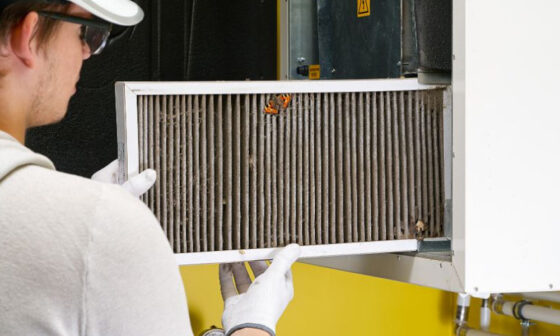
Small issues involving belts, electrical connections, drain lines, blower motors, or filters can often be addressed during routine visits rather than becoming emergencies requiring urgent service. Homeowners who establish a maintenance schedule shortly after purchasing their property often enjoy more reliable heating and cooling throughout the year. In addition to protecting equipment, preventive care contributes to healthier indoor air quality and steadier energy consumption, making regular maintenance a practical investment rather than an optional expense.
Compare Estimates Beyond the Final Price
Receiving multiple estimates is a common recommendation, but first-time homeowners should understand that the lowest price does not always provide the greatest value. Every estimate should clearly describe the scope of work, equipment to be installed or repaired, labor costs, warranty details, expected completion time, and any additional fees that may arise. Looking closely at these details helps homeowners compare services fairly instead of focusing solely on the bottom-line number. Some estimates may include higher-quality components, longer workmanship guarantees, additional inspections, or follow-up maintenance visits that justify a slightly higher cost. Others may appear less expensive initially while excluding important services that eventually increase the overall expense.
Homeowners should also pay attention to whether contractors inspect the home thoroughly before preparing estimates, as accurate recommendations depend on understanding the property’s size, insulation, ductwork, and existing equipment. Careful comparison encourages informed financial decisions while reducing misunderstandings after work begins. A detailed estimate reflects thoughtful planning and provides homeowners with greater clarity about what they are purchasing before committing to any agreement.
Build a Long-Term Relationship Instead of Seeking One-Time Service
Owning a home means managing systems that require attention throughout many years rather than addressing problems only when they appear. Developing an ongoing relationship with a dependable HVAC contractor provides advantages that extend well beyond a single repair visit. Contractors who become familiar with a home’s equipment can maintain detailed service records, recognize recurring issues, recommend maintenance schedules, and monitor gradual changes in system performance over time. This historical knowledge often improves the quality of future service because technicians understand previous repairs and equipment history before beginning new work.
Homeowners also become more comfortable discussing concerns, asking questions, and planning future upgrades when they have an established relationship with a trusted company. As technology changes, contractors can explain whether smart thermostats, improved filtration systems, or energy-efficient equipment would benefit the household without unnecessary pressure. Viewing HVAC service as an ongoing partnership instead of an occasional transaction supports better planning, steadier comfort, and more consistent care for one of the home’s most important mechanical systems.
Becoming a homeowner involves learning many new responsibilities, and understanding the home’s heating and cooling system should be among the highest priorities. Taking time to evaluate the existing equipment, verify contractor qualifications, understand maintenance needs, compare detailed estimates, and establish long-term service relationships creates a strong foundation for responsible homeownership.
Rather than waiting until equipment fails, proactive planning helps reduce unexpected costs and improve indoor comfort in every season. With thoughtful preparation and informed decisions, first-time homeowners can confidently manage their HVAC systems, protect their investment, and enjoy a comfortable living environment for many years to come.