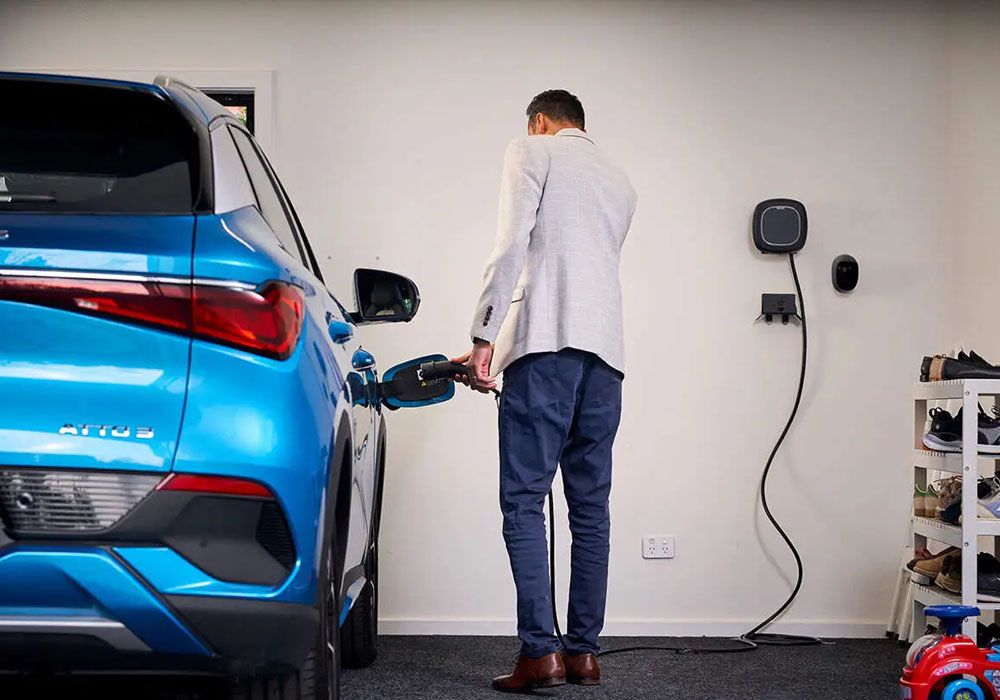
As electric vehicles become a more common part of daily life, homeowners are looking for practical ways to make their properties more efficient and adaptable. Installing a home charging setup is no longer viewed as a luxury but as a useful improvement that supports changing transportation needs. Beyond simply providing a place to recharge a vehicle, these systems can influence convenience, energy management, property value, and everyday routines. A thoughtfully planned charging solution fits naturally into modern living while helping homeowners prepare for future technology. It also creates a more organized environment that supports comfort, accessibility, and long-term household functionality.
Smarter Living Starts Here
1. Supporting Daily Convenience Through Reliable Charging
Home functionality is closely tied to convenience, and having an electric vehicle charger at home reduces many of the disruptions associated with relying on public charging stations. Instead of adjusting schedules around charger availability, homeowners can plug in their vehicles when they return home and wake up with a full battery the next morning. This simple routine saves time while making transportation planning much easier for busy households. Charging equipment installed in garages, driveways, or carports also creates a more organized parking area by giving vehicles a designated location for regular charging.
Families with multiple drivers benefit from reliable access to electricity without unnecessary delays or travel. One additional advantage is that residential EV charging options enable homeowners to integrate transportation needs directly into their daily household routines while reducing unnecessary trips off-site. As electric vehicles become more common, having a permanent charging solution contributes to a home environment designed for efficiency, comfort, and practical everyday living.
2. Improving Energy Management Throughout the Home
Modern homes increasingly rely on intelligent electrical systems that help homeowners better understand and manage energy consumption. An electric vehicle charger can contribute to this larger system by operating during preferred hours, thereby reducing unnecessary strain during periods of high electricity demand. Many charging units include scheduling features that allow vehicles to recharge overnight when electricity rates may be lower in certain regions. This flexibility helps homeowners make better use of available power while keeping household electrical usage balanced. Installing appropriate circuits also provides an opportunity to evaluate the property’s overall electrical capacity, ensuring that existing appliances, lighting, heating, and cooling systems continue to operate efficiently.
As electrical infrastructure improves, the home becomes more adaptable to future technologies, including battery storage, renewable energy systems, and additional smart devices. Rather than functioning as an isolated improvement, an EV charging installation can become one component of a broader strategy for efficient residential energy management.
3. Creating Greater Flexibility for Household Needs
Every household has different transportation habits, work schedules, and daily responsibilities, making flexibility an important part of home functionality. A dedicated charging station allows homeowners to adjust vehicle charging to their own routines rather than relying on public infrastructure. Whether someone works remotely, commutes every day, or frequently travels in the evenings and on weekends, convenient home charging supports changing schedules without unnecessary complications. Multi-vehicle households can also benefit from coordinating charging times to match individual driving needs.
As electric vehicles continue evolving, many charging systems offer adjustable settings that accommodate different vehicle models, charging speeds, and future upgrades. This adaptability means homeowners are making improvements that remain useful even as technology changes. The property becomes more responsive to the family’s evolving lifestyle, making transportation planning smoother while reducing uncertainty surrounding battery levels and charging availability throughout the week.
4. Increasing Property Appeal for Future Buyers
Many buyers now consider practical home improvements alongside traditional features such as kitchens, bathrooms, and outdoor spaces. A professionally installed electric vehicle charging system can be an attractive addition for individuals who already drive electric vehicles or plan to purchase one in the future. Even buyers who do not currently own an EV may appreciate knowing that the property already includes electrical infrastructure capable of supporting future transportation needs. This preparation reduces the likelihood of additional installation work after moving into the home.
As neighborhoods gradually see greater electric vehicle adoption, properties equipped with charging capability may stand out among comparable homes without such improvements. Beyond immediate convenience, buyers often recognize the value of a residence that has already adapted to changing technology. A charging installation demonstrates that the home has been updated with long-term functionality in mind, helping it remain relevant as transportation trends continue evolving over time.
5. Encouraging Better Organization and Long-Term Adaptability
Functional homes are designed to adapt as family needs, technology, and daily habits change over the years. Installing an electric vehicle charging system often encourages homeowners to improve garage organization, electrical layouts, storage arrangements, and parking spaces. Charging cables, mounting equipment, and designated parking areas create a more structured environment in which vehicles and household equipment remain organized rather than cluttered. This improvement can also inspire additional upgrades such as enhanced lighting, improved electrical panels, or expanded storage that further increase overall usability.
As more devices become electrically powered, including lawn equipment, bicycles, and outdoor tools, homeowners may already have the electrical capacity needed to accommodate future additions. Instead of reacting to changing technology later, the property becomes prepared for gradual modernization. Thoughtful planning today creates a home that continues serving the needs of its occupants while remaining practical, efficient, and adaptable for many years ahead.
Residential electric vehicle charging systems offer much more than a convenient place to recharge a battery. They contribute to smoother daily routines, more efficient energy management, greater household flexibility, improved property appeal, and stronger long-term adaptability. As transportation technology continues to change, homes equipped with reliable charging infrastructure become increasingly capable of supporting modern lifestyles without constant adjustments or inconvenience. Investing in practical electrical improvements today helps prepare households for tomorrow while creating a living environment that is organized, efficient, and ready for future innovations. Homeowners who prioritize functionality often discover that thoughtful upgrades provide lasting value in both everyday comfort and long-term property performance.