Boca Raton drivers deal with intense sunshine, reflective road surfaces, humid afternoons, and bright coastal conditions throughout much of the year. Window film can make daily trips more comfortable by managing glare and helping reduce solar heat inside the cabin. For a complete exterior-care plan, many owners also consider ceramic coating for cars in Boca Raton, FL, to help protect painted surfaces from the elements.
The best tint is not automatically the darkest option. A smart choice accounts for Florida law, the vehicle’s existing glass, the film’s tested performance, and the visibility needed for nighttime driving around Boca Raton neighborhoods, parking garages, and rain-darkened roads.
Why Window Tint Matters in Boca Raton
A vehicle parked near an office, school, golf course, beach access point, or shopping area can quickly become uncomfortable when sunlight pours through untreated glass. Tint may help reduce glare from low morning or afternoon sun, improve passenger privacy, and limit the fading pressure that sunlight can place on interior materials. These benefits depend on the film and installation, not merely on how dark the glass looks.
Drivers searching for automotive ceramic coating near me may also be planning a broader vehicle-upgrade project. Tint and ceramic coating solve different problems. Film is installed on glass for light, glare, and heat management, while coating is applied to exterior surfaces for paint protection and easier maintenance.
Start With Your Main Goal
Choose film based on how the vehicle is used. A Boca Raton commuter who drives west in late afternoon may prioritize glare control, while a family vehicle with rear-seat passengers may need stronger heat management in the back. Someone who parks outdoors may care most about interior comfort and UV protection.
- Heat relief: Ask about documented solar-energy and infrared-rejection measurements.
- Glare control: Consider commute direction, daylight hours, and reflective pavement.
- Privacy: Select a practical shade without making evening visibility unnecessarily difficult.
- UV protection: Request the manufacturer’s verified UV-blocking information.
- Appearance: Choose a neutral look that suits the vehicle and remains compliant.
Understanding VLT and Shade
Visible light transmission, often called VLT, describes how much visible light passes through the finished window. A higher VLT percentage means more light gets through and the window appears lighter. A lower percentage means less light passes through and the result looks darker.
A film’s labeled VLT is not necessarily the final reading after it is applied. Factory glass already blocks some light, so the combined glass-and-film result can be darker than the film label alone suggests. This is why installers should measure the specific vehicle before recommending a shade, especially for cars that spend long hours under Boca Raton’s strong sun.
Florida Tint Rules to Check Before Installation
Florida’s window-tint requirements depend on window location and vehicle type, so this is a practical overview rather than legal advice. Front side windows must allow at least 28 percent visible light transmission and have no more than 25 percent visible-light reflectance. Windows behind the driver generally must allow at least 15 percent visible light transmission, while multipurpose passenger vehicles may use a lower 6 percent threshold for those rear windows. The applicable rules are measured on the specific vehicle after installation.
Florida also limits windshield material to a transparent strip along the top that does not extend into the driver’s direct forward viewing area. Before selecting a shade, review the state’s restrictions on sunscreening material behind the driver and confirm the front-side and windshield requirements with a qualified installer. Whether you are heading to Mizner Park or cruising toward the beaches on A1A, a compliant shade keeps your ride both comfortable and legal. Rear-window tint also requires compliant side mirrors on both sides when the rear window is made nontransparent.
Comparing Common Window Film Types
Film categories offer different combinations of appearance, heat control, and construction. Product specifications, warranty coverage, and installer workmanship matter as much as the category name.
- Dyed: Traditional tinted appearance. Compare heat-performance data carefully.
- Metalized: Durable construction and heat control. May be a concern around some electronic signals.
- Carbon: Nonmetal appearance and useful heat control. Performance varies by product line.
- Ceramic: Strong heat and UV performance at lighter shades. Often carries a higher initial cost.
UV Protection Is Not the Same as Darkness
A nearly clear film may provide substantial UV protection, so darkness should not be used as a shortcut for judging performance. Most modern windshields are laminated and already block much of the sun’s UV radiation, but side and rear glass can allow more UVA exposure. For vehicles parked outdoors under Boca Raton’s year-round sunshine, this difference matters. The Skin Cancer Foundation explains that clear UV-blocking film can block 99 percent of ultraviolet light, while darker film does not necessarily provide better UV protection.
Factory privacy glass deserves a separate conversation. It can make rear windows look dark, but its appearance alone does not confirm the same solar-control performance as aftermarket film. Measure the existing glass first, especially before adding film to rear windows.
Balance Glare Control With Night Visibility
Dark tint can be appealing in Florida daylight, yet the same shade may make it harder to see pedestrians, curbs, cyclists, and vehicles in dim parking lots or during heavy evening rain. Busy corridors such as Glades Road and Federal Highway, with their evening traffic and shopping-center lots, are good examples of places where clear sightlines matter. Front-side-window choices deserve the most caution because they affect the driver’s sideward view at intersections and while changing lanes.
Ask to view sample shades from inside the vehicle and, if possible, consider how each option will feel after sunset. A high-performing lighter ceramic film may offer a better balance of solar control and visibility than a darker budget product.
What Quality Installation and Care Should Include
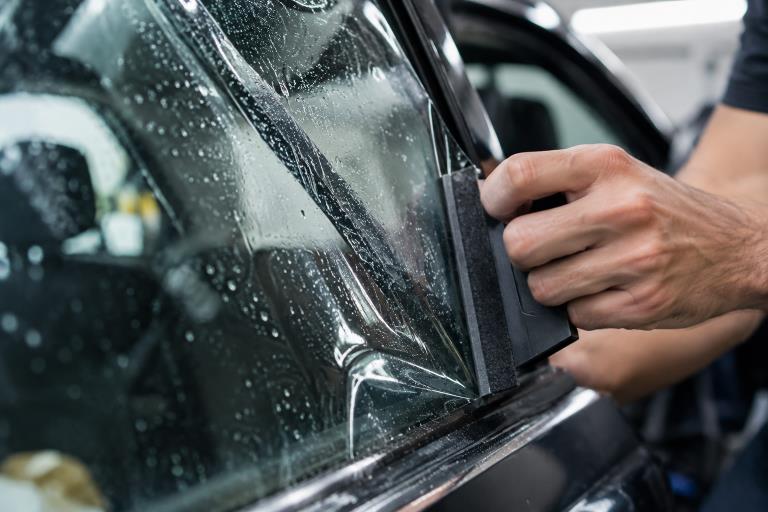
A careful installation begins with inspecting the glass, seals, and any old film. The installer should explain the finished VLT target, verify compliance for the vehicle, prepare the glass thoroughly, and provide care instructions and warranty details. Ask when it is safe to lower the windows because curing time can vary with weather and film type. Boca Raton’s humidity can affect curing, so ask your installer what to expect during the first few days.
After installation, use a soft microfiber cloth and ammonia-free cleaner. Avoid abrasive pads, sharp tools, and stickers on the film. Temporary haze or small moisture pockets can occur while film cures, but persistent bubbles, peeling, edge lift, or discoloration should be brought to the installer’s attention.
Simple Pre-Installation Checklist
- What is the main priority: heat control, glare reduction, privacy, UV protection, or appearance?
- What will the final VLT reading be after film is installed on this vehicle?
- Does the vehicle already have factory privacy glass?
- What test data supports the film’s solar, infrared, and UV claims?
- Could the film affect toll, cellular, satellite, or keyless-entry signals?
- What does the warranty cover, and what is the recommended curing period?
Final Takeaway
For Boca Raton drivers, effective window tint is a balanced decision. Look beyond darkness and compare legal compliance, visible light transmission, UV protection, heat performance, factory glass, and nighttime visibility. With accurate measurements and the right questions, it is possible to create a cooler, more comfortable cabin without compromising safe driving or Florida tint requirements.