Key Takeaways
- A warmer second floor does not always mean the air conditioner has failed.
- Attic heat, weak insulation, air leaks, and duct problems can combine to make upstairs rooms uncomfortable.
- Air sealing and insulation serve different purposes, and both may be needed.
- Dirty filters, blocked returns, closed vents, and damaged ducts can reduce upstairs airflow.
- Basic observations can help homeowners decide whether to focus on the attic, HVAC system, or both.
In Katy, Texas, a hot upstairs can turn an otherwise comfortable home into a frustrating place to sleep, work, or relax. Strong sun, long cooling seasons, roof heat, and humid outdoor air can all make second-floor rooms feel warmer than the thermostat setting suggests. Homeowners considering attic insulation services in Katy TX should first understand that insulation is only one part of the comfort equation.
When bedrooms upstairs stay warm, the air conditioner is not automatically the problem. Attic conditions, ceiling air leaks, duct losses, restricted airflow, window heat, and HVAC sizing can overlap. Finding the cause in the right order can help prevent unnecessary equipment replacement and support more consistent comfort.
Why Upstairs Rooms Often Feel Warmer in Katy
Upper floors are closer to the roof, where solar exposure can create substantial heat during sunny Katy afternoons. Warm air also tends to rise within a home, while upstairs rooms may receive more direct sun through windows. A small temperature difference between floors is common, but a large or persistent gap warrants attention.
For example, a second-floor bedroom that is only uncomfortable from midafternoon through evening may be affected by heat from the roof or windows. A room that stays warm around the clock may point more strongly to air distribution issues, duct leakage, return-air limitations, or HVAC performance concerns.
How Attic Heat Moves into Living Areas
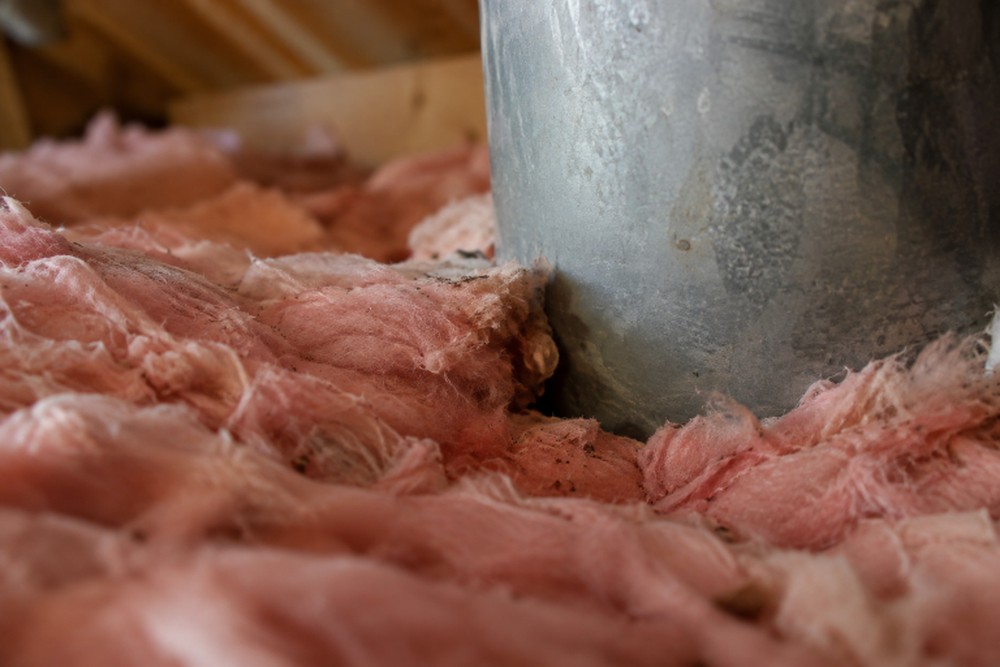
The attic is meant to act as a buffer between the roof and conditioned rooms. When insulation coverage is thin, uneven, damp, or compressed, heat can move through the ceiling more easily. Heat can also travel through framing and other solid materials, a process known as conduction.
Radiant heat from a hot roof deck can warm surfaces below it, while air leaks allow hot attic air to enter through openings around fixtures, wiring, plumbing, and access panels. The common attic air-sealing trouble spots identified by ENERGY STAR include areas that can contribute to drafts, uneven room temperatures, and higher cooling demand.
Six Signs the Attic May Be Part of the Problem
- Upstairs bedrooms, bathrooms, or offices consistently run warmer than the first floor.
- The air conditioner runs for extended periods without reaching the selected setting.
- Cooling bills increase without a clear change in household habits.
- Ceilings feel noticeably warm during sunny afternoons.
- You notice drafts near the attic hatch, recessed lights, or ceiling edges.
- Visible attic insulation is patchy, thin, wet, flattened, or leaves parts of the attic floor exposed.
These signs do not prove that insulation is the only issue. They do show that the attic and the HVAC system should be evaluated together.
Insulation and Air Sealing Do Different Jobs
Insulation slows heat transfer through building materials. Air sealing limits unwanted air movement through cracks and openings. Adding insulation over large unsealed gaps can leave a pathway for hot attic air to enter and cooled indoor air to escape.
Areas worth checking include attic access panels, plumbing and electrical penetrations, recessed light openings, duct chases, wall-top plates, and gaps around properly protected chimneys or flues. Work near combustion vents, electrical wiring, or moisture damage may require a qualified professional.
How Ductwork Can Make Upstairs Rooms Worse
Many Katy homes have ductwork in the attic, where ducts are exposed to high temperatures for much of the cooling season. Leaks, disconnected sections, poorly fitted joints, or damaged duct insulation can reduce the cooling that reaches upstairs registers.
Return-side duct leaks can be especially disruptive because they may draw hot attic air into the system. Before assuming a larger air conditioner is needed, inspect accessible duct connections, supply vents, return grilles, and any zoning or damper controls.
Simple Checks Homeowners Can Try First
- Replace a dirty HVAC filter with the correct size and type.
- Make sure supply vents and return grilles are fully open and not blocked by furniture or rugs.
- Compare room temperatures at the same time of day for several days.
- Note whether the problem appears mainly in the afternoon or continues overnight.
- Check the attic hatch from below for visible gaps or poor weatherstripping.
- Record thermostat settings, system run times, and which rooms feel uncomfortable.
Avoid walking through an attic unless safe support points are clear. Attics can contain extreme heat, exposed nails, electrical hazards, and ceiling surfaces that are not designed to support a person’s weight.
When to Consider Professional Testing
Professional testing is useful when comfort problems persist after basic maintenance, energy use seems unusually high, ducts are visibly damaged, moisture is present, or the system runs constantly. A home performance or HVAC professional may use blower-door testing, infrared scanning, duct leakage testing, airflow measurements, insulation depth checks, and equipment performance reviews.
Testing helps separate a thermal-boundary problem from an airflow, thermostat, duct, or equipment issue. That distinction matters because each problem calls for a different solution.
Choosing the Right Improvement Plan
- Address active roof leaks, moisture, electrical hazards, or unsafe attic conditions.
- Seal major attic and ceiling penetrations.
- Repair disconnected, leaking, or poorly insulated ducts.
- Restore insulation where coverage is inadequate or uneven.
- Review ventilation and moisture management.
- Reassess HVAC performance after envelope improvements are complete.
The best insulation material depends on the home’s construction, access, existing insulation, moisture conditions, and project goals. A practical plan should account for the whole house rather than treating one hot room in isolation.
How Better Attic Performance Can Support Lower Energy Use
A stronger thermal boundary can reduce the amount of heat entering living areas, helping the cooling system maintain steadier indoor temperatures. The U.S. Department of Energy explains that insulation and weatherization help keep homes cooler in summer, though actual savings vary by home design, climate, equipment, utility rates, and starting conditions.
Common Mistakes to Avoid
- Replacing the air conditioner before inspecting the attic and duct system.
- Adding insulation without first sealing major air leaks.
- Blocking soffit vents with insulation.
- Closing numerous supply vents in an attempt to force more air upstairs.
- Ignoring musty odors, moisture stains, wet insulation, or damaged ductwork.
Questions Homeowners Commonly Ask
Is it normal for upstairs to be warmer?
A modest difference can occur, particularly during hot and sunny weather. A persistent or major difference can indicate problems with attic insulation, air leakage, ducts, airflow, solar gain, or HVAC balance.
Will more insulation always fix a hot upstairs room?
No. Additional insulation may help when coverage is poor, but it will not repair duct leaks, blocked returns, restricted airflow, or excessive heat entering through windows.
Should air sealing happen before insulation?
Major air leaks are commonly addressed before adding insulation so the finished attic floor has a more complete thermal and air boundary.
When is it time to call a professional?
Call for help when the system runs constantly, rooms remain uncomfortable after basic checks, moisture is present, ducts are damaged, or attic conditions are unsafe.
Conclusion
A hot upstairs room is a clue, not a complete diagnosis. In Katy homes, attic heat, air leaks, insulation gaps, duct losses, and HVAC airflow can all affect comfort at once. A logical inspection process can reveal the real source of the problem and help create a more balanced, efficient home.