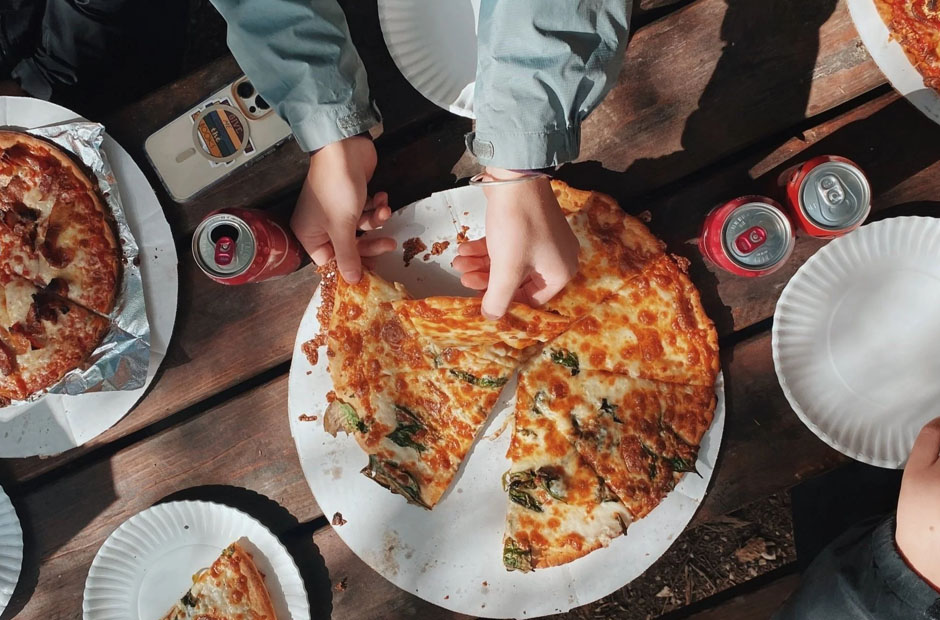
Food is one of life’s most consistent pleasures. Sharing a meal, exploring a new cuisine, biting into something satisfying without a second thought. For many people living with tooth loss or unreliable dental solutions, this pleasure quietly shrinks. Certain foods get avoided. Meals become a calculation rather than an enjoyment. The menu narrows in ways that are rarely spoken about but genuinely felt. Restoring full dental function can give all of that back, more completely than most people expect.
The Hidden Restrictions People Live With
Few people openly discuss the food compromises that accompany tooth loss or unstable restorations. Yet they are widespread and deeply habitual. The crusty bread was avoided, the steak was ordered as something softer, and the apple was cut into careful slices rather than bitten freely. These adjustments become so routine that many stop noticing them as restrictions at all. They simply become the quiet architecture of daily eating, normal until something changes, and the contrast becomes startlingly clear.
Why Stability Changes Everything
The ability to eat confidently rests almost entirely on stability. A restoration that might shift, slip or cause discomfort creates hesitation, and hesitation is the enemy of enjoyment. When the bite is fully reliable, anchored and consistent, food stops being a problem to navigate. The jaw can function as it was designed to, applying pressure evenly and naturally across whatever is being chewed, without concern or adjustment.
Returning to Eating With Ease
Those who choose dental implants Melbourne providers often describe the return to unrestricted eating as one of the most unexpected and welcome outcomes. Not the most dramatic, perhaps, but one of the most consistently meaningful in everyday life. Biting into a fresh roll, enjoying a handful of nuts, eating out without mentally scanning the menu for safe choices, these small freedoms collectively restore a relationship with food that once felt permanently diminished.
More Than Nutrition
The impact reaches well beyond what the body receives nutritionally. Research covered by the Harvard Gazette found that sharing meals with others predicts happiness as reliably as income or employment — across ages, genders, countries and cultures. Meals are social rituals that mark celebrations, punctuate ordinary days and connect people around a shared table. When eating becomes effortless again, full participation in those rituals returns. Conversation flows more easily because attention is not quietly directed at managing a bite. The meal becomes the thing, rather than its management.
A Table Set for Everything
There is a quiet joy in sitting down to eat with complete freedom. Nothing flagged as too hard, too chewy or too risky. The plate holds whatever sounds good rather than whatever seems manageable. That freedom sounds simple, and it is, but its effect on daily happiness is surprisingly substantial when you experience it after years of unconsciously limiting your choices.
Tooth replacement that restores genuine function does not just give back a tooth. It gives back the table, the full menu and the uncomplicated pleasure of a meal enjoyed without hesitation. For many, the return to eating freely is the moment they most clearly understand what a well-chosen solution was truly worth. The best part is that it continues, meal after meal, every single day.