A person’s smile often gets all the attention, but the way teeth come together matters just as much as their appearance. A bite problem, sometimes called a malocclusion, occurs when the upper and lower teeth do not meet correctly. This issue can turn simple actions like chewing or speaking into daily struggles.
Many residents in Kelowna ignore the early signs, such as jaw soreness or frequent headaches. Over time, an untreated bite can lead to loose teeth, worn enamel, and even chronic facial pain. The good news is that braces in Kelowna offer a dependable solution to correct these problems and restore harmony to the mouth.
The Main Types of Bite Problems Braces Can Fix
An overbite happens when the upper front teeth cover too much of the lower teeth. An underbite is the opposite, where the lower teeth sit ahead of the upper teeth. A crossbite appears when one or more upper teeth close inside the lower teeth. An open bite leaves a gap between the front teeth when the back teeth touch. Each type puts uneven pressure on different teeth, which causes premature wear. Braces in Kelowna address these specific issues by shifting teeth into a balanced position.
How Braces Gradually Realign the Jaw Relationship
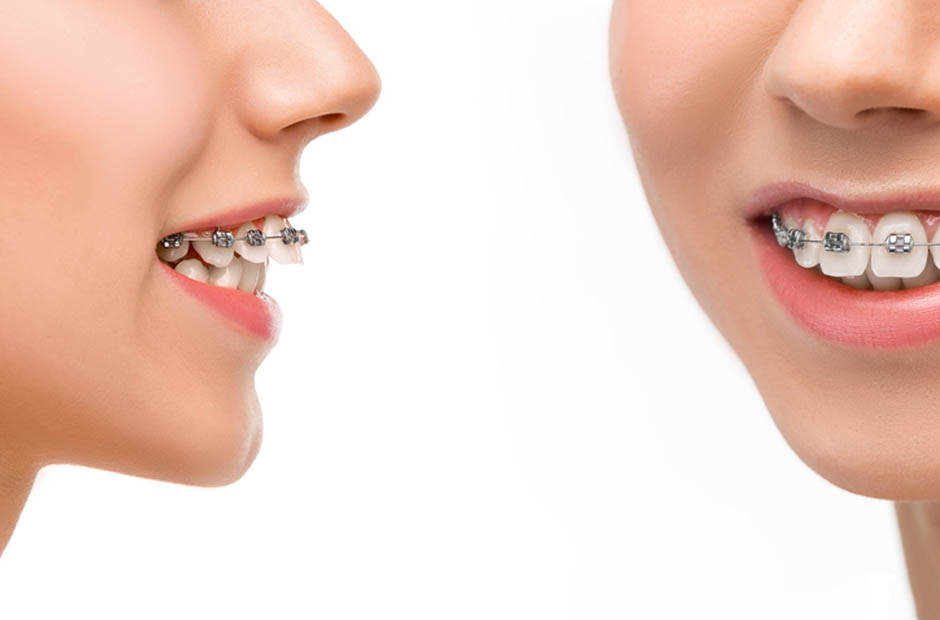
Braces use brackets bonded to each tooth and a wire that runs through them. The orthodontist tightens this wire at regular appointments to create a steady, gentle force. This force moves the teeth through the jawbone at a rate the body can safely handle. For bite problems, the treatment often includes rubber bands that connect the upper and lower braces. These bands pull the jaw into a better forward or backward position. Over several months, the teeth and jaws learn a new, healthier relationship.
Everyday Improvements People Experience
One of the first changes a person notices is how much easier food becomes to chew. No more awkward grinding or food getting stuck in certain spots. Speech often becomes clearer because the tongue has a proper path against the teeth. Headaches that used to appear after meals may disappear completely. Another benefit involves nighttime teeth grinding, which tends to decrease as the bite evens out. Braces also take pressure off the jaw joints, which reduces clicking or popping sounds.
What the Treatment Timeline Looks Like
The process begins with a consultation that includes X-rays and a bite analysis. The orthodontist explains exactly how long the treatment will likely take. For most bite problems, braces remain on the teeth for eighteen to thirty months. Patients return to the clinic every six to eight weeks for a wire adjustment. Each adjustment causes mild soreness for a day or two, which is a sign the teeth are moving. During treatment, patients avoid hard candies, popcorn, and chewing on ice.
Long-Term Health and Financial Advantages
Correcting a bite early saves a person from expensive dental work later in life. Evenly distributed chewing forces prevent individual teeth from cracking or fracturing. A proper bite also protects the gums from recession caused by uneven contact. Many adults assume they are too old for braces, but that is a myth. Kelowna orthodontists treat bite problems in people well into their fifties and sixties. Monthly payment plans make the cost manageable for most household budgets. Some dental insurance plans cover a portion of orthodontic treatment for functional bite issues.
A bite problem does not have to become a lifelong source of pain or inconvenience. Braces in Kelowna provide a practical, proven method to bring the teeth and jaws into proper alignment. The process takes time and commitment, but the results transform daily activities like eating and speaking.