There is a moment, often quiet and unexpected, when city life starts to feel like too much. The noise, the traffic, the relentless pace of everything around you begins to wear on something deep inside.
For many people in Katy, TX, that moment becomes the turning point that leads them toward a different way of living. Moving to a less crowded area is not simply a change of address. It is a shift in how you live, how you think, and how you connect with the world around you.
What Community Really Means in a Less Crowded Place
One of the first and most profound changes people notice after leaving a dense urban environment is the quality of their relationships with neighbors. In a crowded city, it is entirely possible to live next to someone for years without ever learning their name. The sheer volume of people creates a kind of social numbness. When you move somewhere quieter, that dynamic changes almost immediately. People wave from their driveways. They stop to talk on evening walks.
There is a sense of shared investment in the place where everyone lives. Communities designed around this spirit, like Grange in Katy, TX, are built on the idea that neighbors should actually feel like neighbors, fostering genuine connection through thoughtful spaces and a welcoming atmosphere that naturally brings people together.
A Different Relationship With Time
Urban living tends to compress everything. Commutes eat into mornings and evenings. Weekends fill up with errands and obligations that pile on because the week was too hectic to manage them. In a less crowded area, the pace is simply different. It is not that life becomes effortless, but there is more breathing room built into the day. The drive to the grocery store takes minutes, not a grinding sit in traffic.
Morning routines feel less like races against the clock. This reclaimed time does not vanish into nothing. People tend to spend it on things that actually matter to them, whether that is cooking a proper meal, spending time in the yard, or being present with their family in a way that city life rarely allows.
Outdoor Space and What You Do With It
One of the most immediate lifestyle shifts in a less crowded area is access to outdoor space. In dense cities, green space is either nonexistent or shared with hundreds of other people. Yards are rare, small, or simply not part of the picture at all. Moving somewhere less crowded often means gaining a yard, a porch, or at least a neighborhood where nature is genuinely part of the environment rather than an afterthought.
People who never considered themselves outdoorsy often find that they start spending far more time outside simply because the opportunity is there. Morning coffee on the porch, evening walks through tree-lined streets, weekend afternoons in the yard; these become regular parts of life rather than occasional luxuries.
How Children Experience the Shift
For families with children, the lifestyle shift is arguably most visible in how kids spend their time. In crowded urban areas, children often live indoors by necessity. Space is limited, traffic is heavy, and sending a child outside to play freely can feel like a risk rather than a normal afternoon.
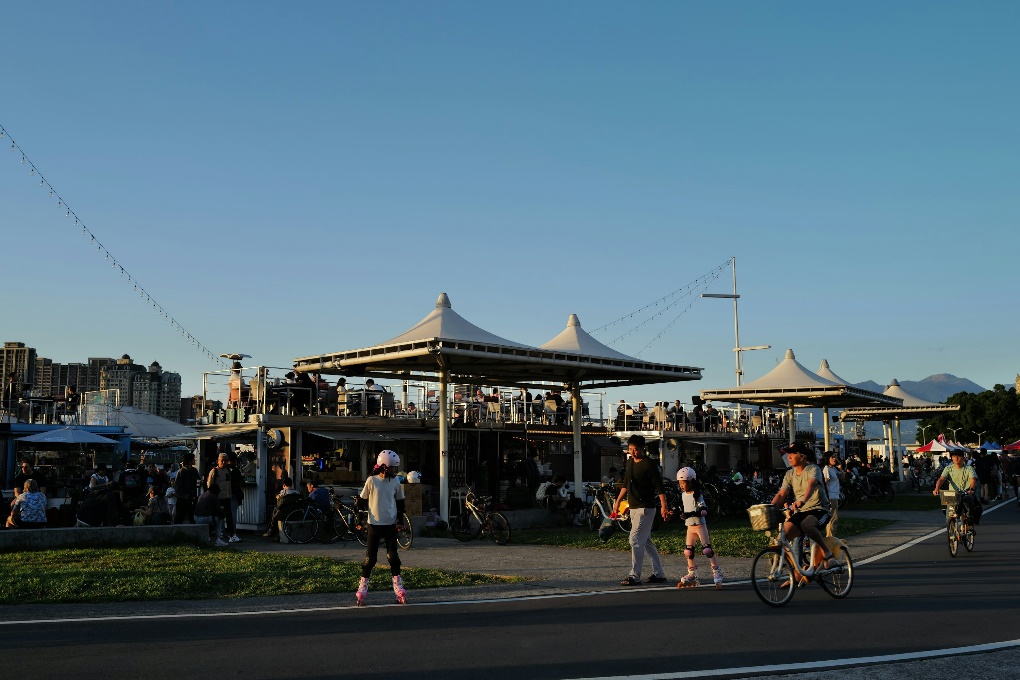
In less crowded communities, children regain something that previous generations took for granted. They ride bikes. They play in yards and on streets where cars move slowly, and drivers expect to see kids around. They build friendships with neighborhood children that grow naturally over time rather than being scheduled around structured activities.
Mental Clarity and the Absence of Constant Stimulation
City life is loud. Not just in terms of actual noise, though that is certainly part of it, but in terms of visual and social stimulation. There is always something happening, always something demanding attention, always a screen or a crowd or a headline pulling focus. Living in a less crowded area strips a lot of that away. It takes some adjustment.
People who have lived in cities for years sometimes find the quiet unsettling at first. But most report that after a few weeks, something shifts internally. Thoughts come more easily. Sleep improves. The baseline level of tension that felt so normal it was invisible starts to lift. The mind, it turns out, benefits from having less thrown at it constantly.
A Slower but More Deliberate Social Life
Socializing in a crowded city often happens in busy, impersonal settings. Bars packed with strangers, restaurants where you shout over background noise, events where the crowd makes real conversation nearly impossible. In a less crowded area, social life tends to be smaller in scale but more meaningful in substance.
People host dinners. They attend neighborhood gatherings. They build friendships that are rooted in proximity and shared daily life rather than shared schedules that are almost impossible to align. The social life is not lesser for being quieter. In many ways, it is more satisfying because the connections feel real rather than performative.
The Adjustment Period Is Real
It would be dishonest not to acknowledge that the move comes with its own challenges. Convenience is real in cities. The ability to find almost anything at any hour, to access specialized services, to live surrounded by variety, those things exist for a reason, and people miss them. The adjustment period after moving to a less crowded area can involve a genuine sense of loss before the gains become obvious. Some people struggle with the distance from cultural activity. Others miss the anonymity that city life provides. These feelings are part of the process, and they are worth sitting with rather than dismissing.
What most people find, though, is that the trade is worth it. The noise they gave up is replaced by something they did not know they were missing. The overcrowding they escaped makes way for a kind of spaciousness that is not just physical. It settles into daily life slowly, and then all at once, until the idea of going back to how things were starts to feel like the stranger choice.