As people grow older, their living environment can have a significant impact on their overall quality of life. Beyond physical comfort, the feeling of belonging and access to supportive relationships become increasingly important. Community living offers a setting where these needs can be met in a natural and ongoing way.
For many older adults, transitioning to a community-based environment brings opportunities for connection, convenience, and enhanced well-being. Rather than focusing solely on care, these communities are designed to support a fulfilling and engaging lifestyle. This approach helps individuals maintain independence while benefiting from shared experiences and resources.
A Built-In Social Network
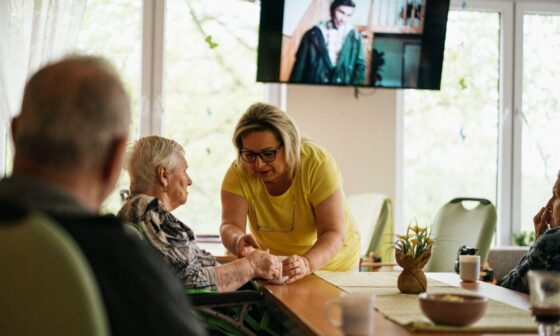
One of the most meaningful advantages of community living is the opportunity for consistent social interaction. Living among peers creates a natural environment for conversation, shared activities, and the development of friendships. These daily interactions help reduce feelings of isolation and contribute to emotional well-being.
Having a built-in social network also makes it easier to stay engaged. Whether it is joining a group activity, sharing meals, or simply spending time in common areas, opportunities for connection are always within reach. This accessibility encourages participation without requiring extensive planning.
In communities such as Fremont Hills, residents often benefit from organized events and shared spaces that foster interaction. These settings make it easier to build relationships and maintain an active social life.
Access to Support and Convenience
Community living provides a level of convenience that can significantly enhance daily life. Many essential services, such as dining, housekeeping, and maintenance, are often included or readily available. This allows residents to spend less time managing daily tasks and more time enjoying meaningful activities.
Access to support also provides peace of mind for both residents and their families. Knowing that assistance is available if needed helps reduce stress and allows individuals to focus on their well-being. This balance between independence and support is a key feature of successful community living.
Convenience extends beyond services to include the overall layout and design of the community. Thoughtfully planned spaces make it easier to navigate and access important areas, contributing to a more comfortable and efficient daily routine.
Encouraging an Active Lifestyle
Staying active is an important part of maintaining health and vitality, and community living often provides numerous opportunities for movement and engagement. Group exercise classes, walking paths, and recreational activities make it easy to incorporate physical activity into daily life. These options are typically designed to suit a variety of ability levels.
The presence of structured activities can motivate individuals to stay consistent with their routines. Participating in group fitness or wellness programs adds a social element that makes these activities more enjoyable. This combination of movement and connection supports both physical and emotional health.
Promoting Mental and Emotional Well-Being
Mental and emotional health are closely linked to the environment in which a person lives. Community settings often provide opportunities for mental stimulation through classes, workshops, and creative activities. These experiences help keep the mind engaged and curious.
Emotional well-being is also supported through regular social interaction and a sense of belonging. Being part of a community helps individuals feel valued and connected, which can have a positive impact on mood and outlook. This sense of inclusion is an important aspect of healthy aging.
Access to supportive staff and resources can further enhance emotional well-being. Having people available to provide guidance or assistance when needed creates a reassuring and nurturing environment.
A Sense of Belonging and Purpose
Feeling connected to a community can provide a strong sense of purpose. Participating in events, contributing to group activities, or simply being part of a shared environment helps create meaning in everyday life. This sense of purpose can be especially important during transitions or later stages of life.
Community living encourages individuals to remain involved and engaged. Opportunities to volunteer, lead activities, or share skills with others can add depth and fulfillment to daily experiences. These interactions help create a vibrant and supportive atmosphere.
Conclusion
Community living offers a wide range of benefits that support both the practical and emotional needs of older adults. From built-in social connections to convenient services and opportunities for engagement, these environments are designed to enhance overall quality of life. By providing a balance of independence, support, and meaningful interaction, community living creates a space where individuals can thrive and feel truly at home.