Why Roof Care Deserves Your Attention
Every house is built on a foundation but has a roof. The barrier above you protects comfort, warmth, and peace, not just shingles and nails. Roofs age like all living things, enduring storms, sun, and weight. Proper roof maintenance turns your home into a weatherproof fortress.
Neglecting roof upkeep is like disregarding a home’s heartbeat. Problems often begin quietly with a ceiling stain or shingle curl. These signals encourage homeowners to look up and use the roof as defense.
The Hidden Consequences of Deferred Repairs
Untreated small cracks or missing shingles let moisture and air in. Unseen water trickles under layers until insulation is saturated. A simple patch job becomes a major replacement as structural elements degrade.
As with an umbrella in the rain, ignoring a roof may resist for a while but will eventually fall over. Wall rot, mold, ceiling damage, and electrical hazards from small leaks are costly. Avoid these cascading issues that grow quietly in the dark spaces above the living room by investing early in inspections.
How Sustainable Roofing Practices Add Long-Term Value
Modern roofing looks beyond mere protection. It connects efficiency, sustainability, and design. Choosing eco-conscious materials like recycled metal, cool roofing membranes, or shingles made from reclaimed resources transforms a simple upgrade into a long-term environmental choice.
Sustainable roofs reflect sunshine and moderate home temperatures. They conserve energy and stabilize indoor climates without overworking air-conditioning. Beyond financial savings, a greener roof shows responsibility and makes a household part of a sustainable living movement.
Regular maintenance also complements sustainability efforts. A roof that lasts longer prevents unnecessary material waste and reduces landfill disposal. In effect, every patch becomes a small act of conservation.
Roof Installation: Planning Beyond the First Nail
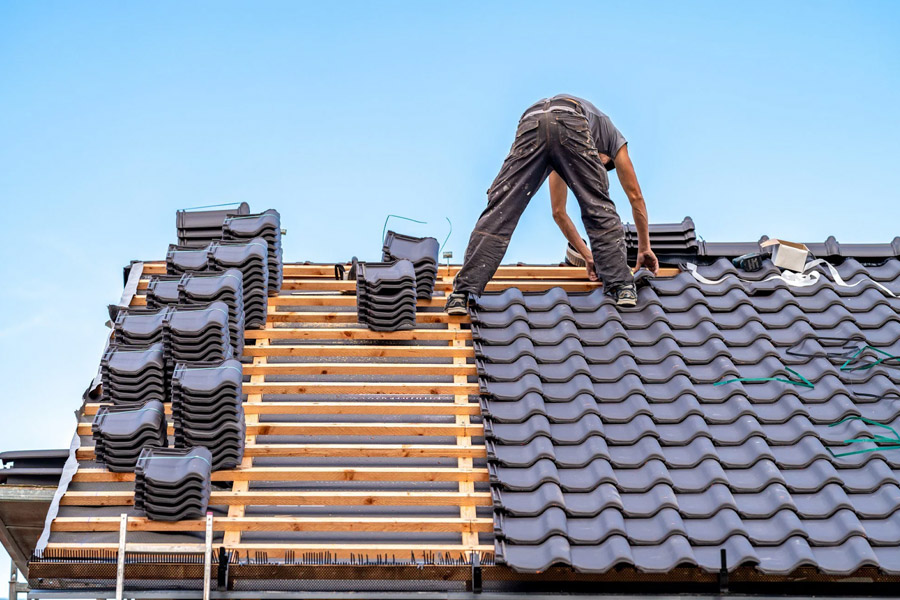
One of the biggest home renovation decisions is replacing the roof. Technical expertise, design choice, and financial readiness are needed. Before choosing materials, homeowners should consider structural compatibility and climate.
Metal roofs, for instance, thrive in areas with high wind exposure and heavy snow because they resist weather deterioration. Asphalt shingles suit moderate climates and diverse aesthetic preferences. Tile roofs, while elegant, require sturdy framing. A thoughtful installation acts as the chapter beginning of decades of safety.
Choosing installation professionals who value transparency is vital. Licensed contractors equipped with warranties and proper insurance safeguard your investment from the first hammer to the last inspection.
The Art of Routine Maintenance and Inspection
Maintaining a roof is not an annual task—it is an ongoing rhythm. Seasonal checks after storms or freeze-thaw cycles allow small issues to be identified before they grow. Clearing debris, cleaning gutters, and verifying flashing integrity stand as fundamental steps in the routine.
Consider maintenance like musical tuning. Without maintenance, roofs lose durability and appearance like a guitar. Maintenance professionals use precision tools and trained eyes to spot wear patterns homeowners miss.
A maintenance program on your household calendar boosts resale value. Buyers look for homes with documented maintenance histories because they indicate quality.
Storm Damage and Emergency Readiness
Roof vulnerability is particularly noticeable after heavy storms. Winds can raise roofs, hail can bruise surfaces, and moisture can penetrate weakening seams. After each storm, damage is assessed to prevent leakage and insulation loss.
Emergency roofing services offer free inspections that save thousands. Calling specialists after storms helps homeowners file insurance claims and fix problems before they deteriorate. Time often distinguishes small restoration from extensive renovation.
Budget Planning for Roofing Work
Roofing costs vary but follow predictable patterns. The size of the area, choice of materials, and labor costs define the total budget. Premium materials like standing seam metal or quality slate cost more upfront but offer longevity that compensates over time.
Homeowners can avoid inflation shocks by saving annually for repairs. Roof maintenance finance forecasts assure readiness. Small preventive expenses are easier to manage than costly emergency replacements.
Regional labor pricing also affects cost expectations. Rural areas tend to favor affordability, while urban centers carry higher overhead. Evaluating quotes from multiple contractors helps keep the process transparent.
Choosing a Contractor with Precision
Selecting the right roofing contractor resembles choosing a trusted physician. Skill, certification, and experience matter, but communication defines reliability. A contractor should explain methods, timelines, and warranties without hidden clauses.
Asking for references allows homeowners to view previous work firsthand. A reliable professional takes pride in longevity, not shortcuts. They approach each roof as an extension of a home’s personality, shaping not only protection but aesthetic identity.
Choosing honesty over haste can be the thin line between satisfaction and regret. Roofs built with integrity echo trust in craftsmanship—a virtue worth paying for.
Integrating Roofing with Home Efficiency Goals
Your roof interacts with every system below it: insulation, ventilation, heating, cooling. Integrating regular roof upkeep with efficiency goals creates synergy throughout the house. Attics stay drier, walls retain temperature, and energy consumption drops.
Solar panels and rainwater collection are now part of smart roofing. Roofing becomes resource platforms. An efficient rain collection surface can power irrigation systems or supplement non-potable domestic consumption. Modern roofing technology and sustainability build eco-friendly dwellings.
FAQ
How often should I schedule a professional roof inspection?
Homeowners should schedule annual inspections, preferably before storms or after major weather events. Small issues are discovered early and significant expenses are avoided with this frequency.
What type of roof lasts the longest in varying climates?
The longest-lasting and most adaptable roofs are metal. They can handle extreme heat, wind, and snow, making them suited for many climes. Tile roofs are durable but need support.
Is roof maintenance really necessary for newly built homes?
Even new roofs need care. The first year can still see debris, minor sealing gaps, and weather exposure. Early maintenance improves construction and prevents wear.
How can I make my roof more energy efficient?
Applying reflective coatings, installing adequate attic insulation, and maintaining proper ventilation enhance efficiency. These actions help stabilize indoor temperature and reduce cooling costs during summer months.
What should I look for in a good roofing warranty?
A strong warranty covers both materials and workmanship. It specifies repair coverage periods and defines conditions for replacement. A reputable contractor explains all warranty terms clearly before signing.
Can small leaks wait until spring for repair?
Delaying any leak repair is risky. Water damage spreads quickly, harming insulation and creating mold. Address leaks immediately regardless of season to maintain structural health.
How do I check for storm damage myself before calling a roofer?
Start by visually inspecting from the ground. Look for missing shingles, dents, or warped edges near rooflines. Indoors, examine ceilings for moisture stains. Once signs appear, contact professionals for confirmation and safe inspection.
Why does roofing labor cost vary so much between locations?
Labor pricing reflects local living expenses, insurance requirements, and market demand. Urban contractors often bear higher operational costs, resulting in elevated fees compared to rural services.
Are eco-friendly roofing materials more expensive?
Initial purchase prices can be higher, but long-term savings stem from lower maintenance and energy efficiency. Sustainable materials often extend lifespan, offsetting costs over time.
What safety measures should professionals follow during installation?
Contractors must use secured ladders, fall protection systems, and wear appropriate gear such as harnesses and helmets. They also ensure site cleanliness and protect property during debris removal.
How do I extend my roof’s lifespan naturally?
Roof durability depends on regular cleaning, minor repairs, and attic ventilation. Debris removal and moisture management prevent surface and structure damage.
When is full replacement unavoidable?
When structural integrity fails or damage exceeds 50%, a roof must be replaced. Age beyond expected lifespan also suggests replacement.
Should I stay home during roof installation?
Although not required, being available helps with questions or sudden decisions. Clear communication helps contractors follow preferences and handle unexpected events.
What differences exist between residential and commercial roof maintenance?
Commercial roofs often cover flat surfaces and use membranes requiring specialized inspection techniques. Residential roofs, built on slopes, need attention to shingles, gutters, and flashing. Both demand consistent care with tailored approaches.
Does homeowner’s insurance cover all roof repairs?
Cause and policy terms determine coverage. Sudden storm damage is usually covered, but neglect may not. Maintaining inspection records helps damage claims.