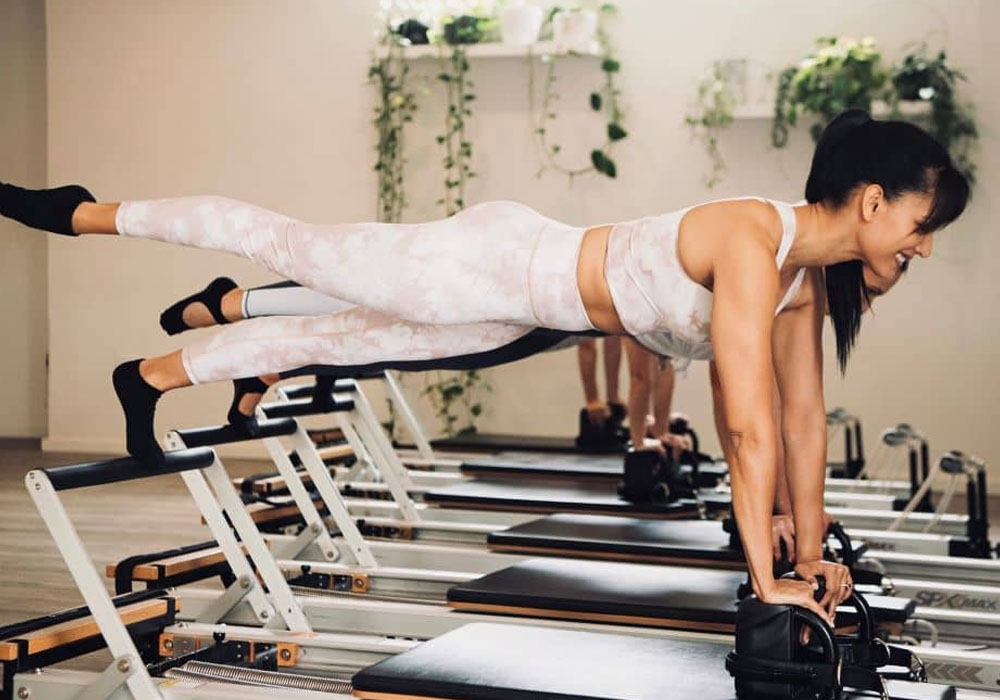
Pilates has long been a popular choice for individuals seeking to enhance their flexibility, strength, and overall body awareness. Among the different forms of Pilates, the use of a reformer machine and traditional mat Pilates stand out as the most common options. Both have their unique advantages and cater to various fitness goals. Choosing between them depends largely on what you aim to achieve from your workouts.
Understanding the Basics of Pilates
Pilates is a form of low-impact exercise that focuses on strengthening muscles while improving postural alignment and flexibility. The practice was developed by Joseph Pilates in the early 20th century and has since evolved into several disciplines, including both mat-based and apparatus-based exercises. Understanding these basics can help individuals make informed choices about their fitness routines.
The Reformer Machine: An Overview
The pilates reformer machine is a versatile piece of equipment that consists of a sliding carriage, springs, ropes, and pulleys. It allows for a wide range of exercises that can be tailored to different fitness levels. The reformer is particularly effective for those looking to work on resistance training, balance, and core strength. Its design enables users to perform controlled movements that target specific muscle groups.
Benefits of Using a Reformer Machine
One of the primary benefits of using a reformer machine is the ability to engage in a full-body workout. The resistance provided by the springs offers a challenging yet adaptable exercise regimen. Furthermore, the machine’s adjustable settings mean users can increase or decrease the intensity based on their preferences. Reformer Pilates is also renowned for enhancing coordination and stability, making it a great choice for rehabilitation purposes.
Mat Pilates: An Introduction
Mat Pilates involves a series of exercises performed on the floor using primarily the weight of the body to provide resistance. This style of Pilates is accessible and can be performed almost anywhere, making it ideal for those who prefer a more flexible routine. Mat Pilates focuses heavily on strengthening the core, requiring practitioners to stabilise their trunks during various movements.
Advantages of Mat Pilates
One of the principal advantages of mat Pilates is that it is incredibly cost-effective. With no need for specialised equipment, it removes financial barriers to practice. Additionally, mat Pilates cultivates core strength, flexibility, and endurance, making it a comprehensive workout for individuals at any fitness level. The use of one’s body weight ensures that exercises can be modified to suit individual capabilities.
Comparing Effectiveness: Reformer Machine vs Mat Pilates
When comparing the effectiveness of the reformer machine against mat Pilates, it is important to consider personal fitness goals. If the aim is to increase muscle tone and provide comprehensive body conditioning, the reformer machine may offer more dynamic results due to the additional resistance it provides. On the other hand, mat Pilates is perfect for those seeking convenience and an emphasis on core conditioning and flexibility.
Choosing Based on Personal Goals
The choice between reformer and mat Pilates often comes down to personal goals and preferences. Individuals targeting muscle building and rehabilitation may find reformer Pilates more suitable. Conversely, those focused on accessibility, minimal equipment, and core exercises might lean towards mat Pilates. Both methods support fitness improvement and can be complementary to one another.
Learning Curves: Reformer Vs. Mat Pilates
Another factor in deciding between reformer and mat Pilates is the learning curve associated with each. The reformer machine might require guided instruction initially, as users familiarise themselves with the equipment. In contrast, mat Pilates can be more straightforward, with many resources available online or through group classes, allowing individuals to self-guide their sessions.
Combining Both for Maximum Results
In practice, many individuals benefit from integrating both reformer and mat Pilates into their routines. By doing so, practitioners can enjoy the versatility and comprehensive strengthening that the reformer offers, alongside the ease and accessibility of mat exercises. This combined approach can potentially yield the best results for overall fitness and well-being.
Assessing Costs and Accessibility
Cost is another consideration when choosing between reformer and mat Pilates. Reformer machines generally imply higher expenses, both for purchasing equipment and accessing specialised classes. In contrast, mat Pilates is more budget-friendly and requires less financial investment, which may be particularly appealing during times of economic uncertainty.
Conclusion
Ultimately, the decision between engaging in reformer machine Pilates or mat Pilates should align with an individual’s personal fitness objectives, budget, and lifestyle considerations. Both styles offer distinct benefits, and neither is universally superior. Evaluating the unique advantages of each can help individuals create a balanced and effective Pilates practice that caters to their specific needs and goals.