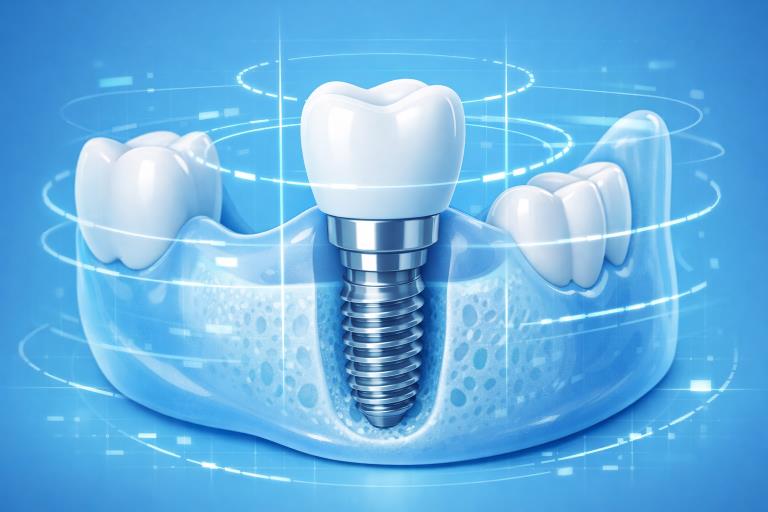
Dental implant technology has seen remarkable growth in recent years. Today’s innovative techniques and materials deliver improved patient outcomes and a more comfortable experience. Whether you are missing a single tooth or require a full arch replacement, understanding the latest approaches ensures you can make informed choices about your oral health. Those considering advanced options such as custom dentures Louisville KY, or dental implants can benefit greatly from these technological leaps.
With precision planning, new surgical methods, and more lifelike results, periodontists are now able to accomplish results that were previously impossible. As dental implants continue to evolve, they are becoming accessible to more patients, offering a durable, natural-looking solution for tooth loss. This shift not only enhances dental function but also plays a critical role in facial aesthetics and long-term oral well-being.
The focus on patient-centered care also means that even individuals with limited bone density, complex oral anatomy, or concerns about traditional implant materials now have more options than ever before. Advanced imaging, smaller implants, and novel healing strategies make the process safer and faster, resulting in excellent long-term outcomes.
Staying up to date on these advancements ensures that anyone considering dental implants can select the treatment plan best suited to their unique situation. This summary will highlight recent breakthroughs and what they mean for current and future dental implant patients. For more in-depth background on the latest trends in dental technology, visit the ADA Dental Experience and Research Exchange.
Enhanced Imaging for Precision Placement
Three-dimensional imaging and digital planning have redefined the way dental implants are placed. State-of-the-art cone beam computed tomography (CBCT) produces a highly detailed map of your mouth, including bone quality, nerve locations, and the shape of your jaw. This technology not only allows your dentist to avoid important anatomical structures but also maximizes implant stability in areas with limited bone volume. The result is a safer process and a more predictable outcome.
Guided Implant Surgery
Guided implant surgery builds on the strengths of digital imaging by creating a custom-fit template that directs each step of implant placement. This computer-generated guide fits precisely to your gums and teeth, ensuring that every implant is placed at the exact angle and depth specified during your consultation. For patients with challenging oral anatomy or who require multiple implants, this method dramatically reduces the risk of human error and shortens recovery time.
Immediate Load Implants
Immediate load, or “teeth-in-a-day,” approaches provide patients with new teeth on the same day as their implant surgery. Traditionally, a healing period of several months was required before a new crown or bridge could be attached. With immediate load implants, a temporary restoration is placed directly onto the implant at the time of surgery. This new method is especially helpful for preserving gum shape and bone volume while delivering instant improvements to a patient’s smile and bite.
Improved Implant Materials
Titanium implants are still the most widely used, favored for their strength and excellent long-term results. Yet ceramic zirconia implants now provide an attractive alternative for those seeking a metal-free or aesthetically superior option. Zirconia is hypoallergenic, resists plaque buildup, and blends seamlessly with natural teeth. Both options provide excellent durability and high success rates, and the right choice depends on your clinical needs and personal preferences. The Mayo Clinic offers detailed information on dental implant materials and procedures.
Advances in Bone Grafting Techniques
New developments in bone grafting have been a game-changer for patients with poor bone volume. Synthetic bone grafts, donor allografts, and enhanced methods such as ridge preservation allow faster bone integration and less invasive procedures. Innovations such as bioactive growth factors encourage rapid healing, making implants accessible to more patients who might have been considered ineligible in the past. Sinus lifts and guided bone regeneration techniques now offer additional support for challenging cases.
Mini Dental Implants
Mini dental implants are a smaller, less invasive alternative for specific needs such as denture stabilization or replacing smaller teeth. These implants can often be placed without extensive grafting, making them ideal for patients with limited bone or those seeking less extensive surgery. Mini implants reduce surgery and recovery time, though they are best suited for situations with lower bite forces than traditional implants.
Regenerative Techniques for Improved Healing
Regenerative medicine has made significant inroads in dental implantology. Platelet-rich plasma (PRP) and platelet-rich fibrin (PRF) therapies involve processing a patient’s own blood to accelerate tissue healing and encourage bone growth at the implant site. These techniques not only speed up recovery but also reduce the risk of complications and implant failure, making them valuable tools in modern periodontics.
Smart Dental Implants
Smart dental implants, still in development, integrate tiny sensors that monitor conditions such as pressure, temperature, and infection. These implants have the potential to provide real-time alerts to both dentists and patients, facilitating earlier intervention and improved long-term outcomes. Though experimental, smart implants are a prime example of how digital dentistry is shaping the future of restorative care.
With these advancements, dental implant solutions are more precise, patient-friendly, and successful than ever before. Anyone considering implants should consult with an experienced dental provider to determine which innovative treatment options can help restore oral health, function, and confidence.