Understanding Modern Water Heating Needs
Hot water is an invisible rhythm that supports morning rituals, nightly cleanups, and every moment in between. Reliable electric water heating systems become more important as families grow and lifestyles change. Modern installations go beyond filling and plugging tanks. They require careful electrical, plumbing, and efficiency coordination. A well-planned installation provides steady warmth without requiring much attention.
This procedure hinges on choosing the right system. Matching capacity to home consumption balances comfort and economy. If the water becomes cold midway during a shower, the heater’s capacity fell short of your lifestyle. However, an oversize unit might quietly waste energy 24/7. Using peak usage patterns and demand growth predictions, finding the balance is both science and art.
Evaluating Electrical Infrastructure Before Installation
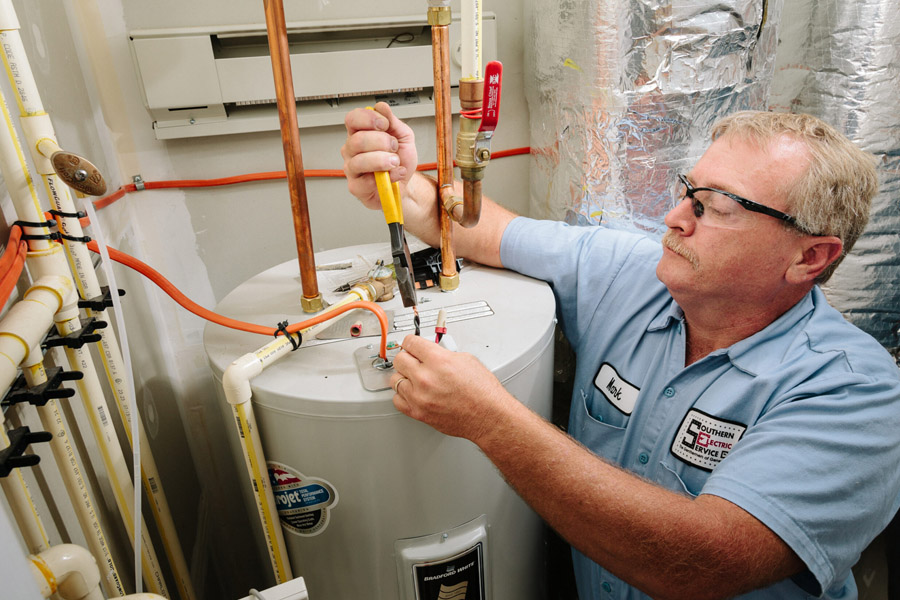
Electric water heaters draw considerable power, making it essential to prepare the electrical system before the first drop of water is heated. Each unit must operate on its own circuit, with wiring that satisfies load requirements and complies with electrical codes. When neglected, undersized wiring or outdated breakers can trigger recurring shutdowns or increase the risk of overheating. Proper evaluation of voltage, breaker ratings, and grounding ensures smooth, uninterrupted performance.
Inspections can reveal the health of existing circuitry and whether upgrades are required to handle the heater’s energy appetite. Homeowners frequently underestimate how much electrical coordination underpins a reliable installation. Having a configuration that matches manufacturer specifications is like tuning an instrument before a concert—it sets the stage for harmony between energy supply and system performance.
Identifying the Ideal Location
Where a water heater resides inside the home affects its efficiency, safety, and ease of upkeep. The best placement minimizes the travel time for heated water, ensuring that hot water reaches faucets quickly and reducing standby heat loss along the pipes. Proximity to bathrooms and kitchens can improve convenience and energy efficiency.
The installation area must be dry, sturdy, and large enough for the tank and inspection and maintenance clearances. Tight corners or damp basements reduce ventilation and equipment life. Choosing the proper position prevents corrosion and simplifies drainage if the device needs service. Heater placement is like planting a tree: its roots must be solid, yet the area must support it.
Ensuring Sound Plumbing and Water Flow
Every joint, valve, and pipe contributes to the heater’s ability to deliver consistent temperature and pressure. Correctly oriented water lines, clearly marked inlets and outlets, and tight seals prevent inefficiency and potential water damage. Using durable materials helps withstand continuous pressure changes that occur with each cycle of heating and cooling.
An approved pressure release valve protects against dangerous pressure. Insulating hot water pipes lowers energy loss, especially in cold climes or unheated rooms. Paying attention to these plumbing elements turns a typical installation into a quiet, efficient system.
Integrating Energy Efficiency and Safety Innovations
Electric water heating technology has advanced far beyond traditional thermostats. Smart controls, timer systems, and energy monitoring interfaces now give homeowners more authority over consumption. Timers can coordinate heating cycles around household routines so power is not wasted when demand is low. High-grade insulation jackets and energy-efficient elements also limit standby loss, maximizing every watt of electricity used.
Safety and efficiency are paramount. Scalding and mechanical failure are prevented by automatic shutoffs, leak detection sensors, and calibrated temperature settings. Set water temperature to prevent accidents in homes with children or the elderly. Modern features reduce monthly costs and boost system reliability.
Designing for Maintenance Access and Longevity
A well-installed heater should not require a battlefield of tools for basic maintenance. The design of the space should permit easy approach to critical components like thermostats, wiring panels, and pressure valves. Maintenance routines such as flushing sediment from the tank or tightening electrical connections extend the heater’s life by reducing internal strain and corrosion.
When sediment accumulates at the bottom of a tank, it silently erodes efficiency, forcing heating elements to work harder and shortening their lifespan. Regular servicing, facilitated by easy access, keeps the unit performing like it did on day one. Incorporating drainage points and clear pathways during installation saves hours of troubleshooting in the years to come. The key is to treat future maintenance as part of the initial blueprint rather than an afterthought.
Navigating Permits, Codes, and Compliance
Every good water heater installation follows local codes. Electrical and plumbing codes safeguard lives and property. Compliance ensures the installer followed wiring, temperature, and structural support guidelines. Official inspection can evaluate work quality and eliminate shortcut hazards with authorized permissions.
Ignoring these laws might lead to fines or insurance claim denials for harm. Working within regulations enables functional and safe work. Though overlooked, this procedure improves system reliability.
Focusing on Sustainability and Future Readiness
Energy efficiency affects environmental impact and long-term savings, not just convenience. New electric water heaters can use solar preheating, smart-grid connectivity, or hybrid technology to switch energy sources on demand. Planning the space and wiring for future modifications is smart.
Planning for technological evolution can include conduit lines for additional sensors or smart thermostats that integrate with home automation platforms. Sustainability in this context becomes a layered endeavor, linking present comfort to tomorrow’s innovation. The more adaptable the installation, the longer it will remain relevant and economical.
Enhancing User Experience Through Smart Monitoring
Users can track hot water demand and system performance with real-time monitoring tools. Monitor temperature, power consumption, and maintenance reminders with digital dashboards or mobile apps. Understanding this data helps reduce energy use by changing habits or settings.
Smart systems can also alert homeowners to anomalies before they evolve into significant problems. Early notifications about minor leaks, heating irregularities, or electrical faults help prevent costly emergencies. In many ways, these monitoring features act like a personal assistant for home efficiency, offering insight that promotes better decision-making and preventive care.
FAQ
How can I determine the right capacity for my electric water heater?
Begin by calculating daily hot water usage across showers, laundry, and kitchen activities. Consider household size and peak times when multiple fixtures operate simultaneously. Adding a margin for future needs ensures steady performance without overspending on unnecessary capacity.
What safety practices should I follow during installation?
Ensure power is disconnected before making connections, verify grounding and breaker sizes, and install a certified pressure relief valve. Position the heater away from potential water contact and provide sufficient ventilation around the unit. Following electrical and plumbing codes is critical for preventing accidents.
How often should an electric water heater be serviced?
Flush the tank once or twice a year to remove silt and improve heating. Maintenance should include wiring integrity, thermostat accuracy, and safety valve performance. Regular maintenance extends life and saves energy.
Can a water heater be connected to renewable energy systems later?
When constructed for future integration, many electric water heaters can work with solar panels or hybrid systems. To simplify upgrades, ask installers for compatible wiring and space for more equipment.
What signs indicate that my electric water heater is losing efficiency?
If water takes longer to heat, temperatures fluctuate, or energy bills rise unexpectedly, sediment or faulty components may be to blame. Early change detection and maintenance prevent efficiency loss.
Are smart water heaters worth the investment?
Smart models provide remote control, usage analytics, and programmable heating cycles that reduce operating expenses. Though the initial price may be higher, the precision control and long-term savings often justify the investment over time.
Do local codes vary significantly between regions?
Building and electrical codes vary by jurisdiction. Verifying criteria before installation is crucial since they indicate electrical load thresholds and safety clearances. Following these regulations provides legality and peace of mind.