Moving to a senior community brings freedom. No more yard work and no more home repairs. But it also brings something as a safety net. There are people who watch, notice, and act before a small problem becomes a big one. Wellness checks happen quietly, often without residents even noticing. Here is how they work and why they matter.
Routine Staff Check-ins
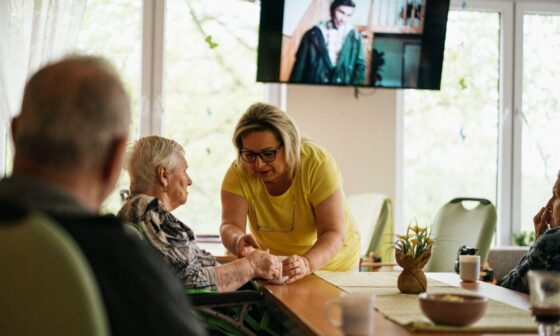
In senior living communities, staff check on residents regularly through just a knock, a hello, or a quick look. These visits happen daily, sometimes twice a day. Staff learns about the residents’ routines. If there is any problem, they notice. They knock on the door and ask seniors if they are okay. Do they need anything?
For families, this is peace. Someone is watching their loved ones all the time. At Discovery Commons Virginia Beach, these check-ins are part of daily life. Staff know residents by name. They know their habits and notice when something is off. Discovery Commons Virginia Beach residents feel cared for, not watched. The difference is in how it is done.
Health and Behavior Monitoring
Beyond daily visits, staff also track seniors’ health consistently. Weight changes are noted. Sudden weight loss can mean illness, and sudden gain can mean fluid retention. Both need attention. Moreover, appetite matters. Is someone eating less and skipping meals? Staff in dining rooms notice this instantly.
The sleep patterns are also observed. Is someone up all night or sleeping all day? Changes can signal depression, pain, or medication side effects. Mood changes, too. Seniors may feel confused or sad. These are not just personality issues. They can be signs of underlying problems.
Staff at senior living communities are trained to see these patterns. They do not just diagnose, but also report to nurses, families, and doctors when needed. This monitoring catches problems early, when they are easier to fix.
Environmental Safety
The physical space where seniors live matters too, and staff watch it constantly. Is the hallway well-lit? Are handrails secured? Is the floor dry after rain? Small hazards become big falls. But you do not have to worry about anything. Staff handles every situation and prevents potential problems. They also check smoke detectors, emergency call systems, and door alarms.
Moreover, the staff at senior living communities look out for clutter, loose rugs, cords across paths, and other things that trip. They remove them instantly to ensure the safety of seniors. They also check apartments. Is the shower grab bar loose? Is the stove left on? Is the temperature safe? These checks are routine in these communities.
Conclusion
Wellness checks are not about controlling residents. They are about supporting them, watching, noticing, and acting before problems grow. Daily check-ins build relationships. Staff become familiar and trusted. After that, a knock on the door is welcomed by the seniors. Moreover, health monitoring catches changes early before they become crises. Environmental safety prevents falls, which is the biggest danger for seniors. For families, this care and continuous monitoring is peace of mind. On the other hand, for residents, it is freedom to live without constant worry.