The Hidden Guardian Beneath Your Home
Sump pumps silently defend basement corners beneath the flooring. It invisible battles water to protect everything above from wetness, rotting, and mold. Even loyal protectors tire. Sump pump failures cause patterns that homeowners often overlook. Recognizing these indications early might prevent costly damage and strengthen your home’s foundation.
A sump pump’s health depends on balance. Each cycle, push of water, and hum of its motor is part of its rhythm. When that rhythm stumbles, you’ll notice more than just noise in the air—you’ll see hints in how water behaves, how panels trip, and even how your basement smells. Understanding these signals gives you time to act before your pump becomes a relic of neglect.
Indicators Your Sump Pump Has Reached Its Limit
Overcycling is a sign of decline. Something is wrong with a sump pump’s internal timing if it keeps turning on and off without water level adjustments. The float switch may be stuck, causing the pump to run constantly. A discharge pipe blockage could trap water in the basin, causing the pump to fail. Each needless cycle depletes the motor.
Frequent cycling wastes more than power. Heat from it can damage wiring and reduce pump reliability. If breakers trip or the motor hums like a frustrated heartbeat, the pump is working too hard. If this happens often during heavy rain, your system may be too small. Long-term protection is best when replacing the current unit with a higher-capacity one.
Another unmistakable clue arrives through sound. A sump pump should operate quietly, producing only the muted whirl of moving water. Strange noises signal mechanical distress. A grinding sound may point to grit obstructing the impeller. A rattle suggests poor installation or a partly detached discharge pipe. Loud humming can indicate bearing wear or a motor on the edge of failure. Each of these noises is a whisper of warning—a plea for inspection before catastrophe sets in.
Pay attention to vibrations too. A pump that shakes or knocks against its basin may be unstable. Incorrect installation, corrosion, or misalignment can cause imbalance. Slow rumbling can become aggressive rattling through floor joists. Your home shakes right down to its bones. When vibration is common, professional inspection and replacement are needed.
Ineffective pumping is the final indicator. The inevitable occurs when water remains in the basin despite the pump running. Impeller failure, seal failure, and discharge component corrosion can decrease performance to a trickle. Standing water breeds mildew and mineral buildup in the once-clean basin. Rust or a musty smell indicate system degradation. Repairing this pump will not restore efficiency; replacement is the only option.
Choosing a Pump Built to Endure
Finding the right sump pump replacement requires more than replacing one device. Knowing your environment and matching power with purpose are needed. Every home’s groundwater and structure are different. The new pump must precisely meet those conditions.
First, consider capacity. The pump must move enough water per hour to prevent overflow during heavy storms or rapid snowmelt. A model with higher gallons-per-minute capability ensures reserve strength when nature tests your basement’s resilience. Overestimating capacity slightly provides a safety cushion for the unexpected.
Examine lift pressure next. Without straightforward pathways, water climbs vertically before discharging. How much lift your pump needs depends on the sump basin depth and basement ceiling height. No matter its horsepower, a pump that cannot clear vertical distance will stall.
Horsepower matters. Motors with stronger motors drain faster and endure stress better. Electrical support is needed for more horsepower. A power-hungry pump can overload old circuits. Pro installation ensures wiring compatibility and prevents overloaded breakers.
Housing determines pump life. Cast iron and stainless steel units withstand corrosion and mechanical wear, whereas thermoplastic pumps are cost-effective and chemical-resistant. Choosing robust materials ensures that the pump will protect your property against water’s slow invasion for years.
The float switch acts as the pump’s mind, deciding when to wake and when to rest. Reliable switches protect against unnecessary cycles and false activations. Tethered floats offer simplicity, but electronic variants add precision and automation for modern systems. Ensuring smooth float movement within the basin prevents misfires that lead to premature burnout.
Finally, basin size must pair comfortably with the replacement pump. A crowded basin restricts float motion and impeller efficiency. Space allows proper water flow, racing quickly toward discharge instead of swirling inefficiently. Each component should fit like pieces of a mechanical puzzle—tight enough to hold form, loose enough to function freely.
Maintaining Reliability Beyond Replacement
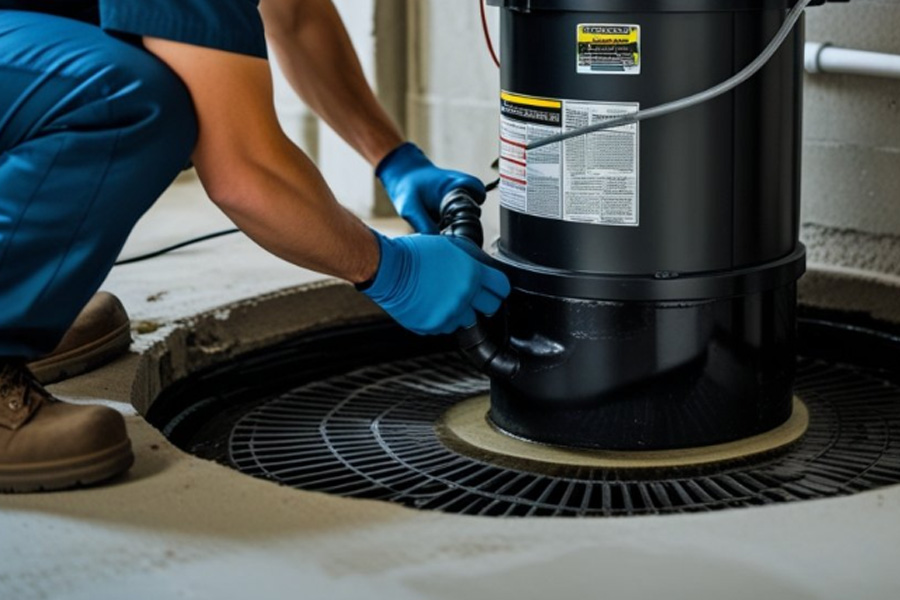
Vigilance continues after sump pump replacement. Maintenance connects a new system to years of reliable use. Annual pump service keeps it clean, unclogged, and aligned. Technicians check seals, discharge pressure, and float activity. Preventive care reduces storm surprises.
A vital upgrade worth considering is a backup power source. Power outages nearly always accompany heavy rainfall, just when the pump’s protection matters most. A battery system or inverter ensures continuous operation even in darkness. This addition transforms a basic pump into a resilient safeguard that fights on when the grid shuts down.
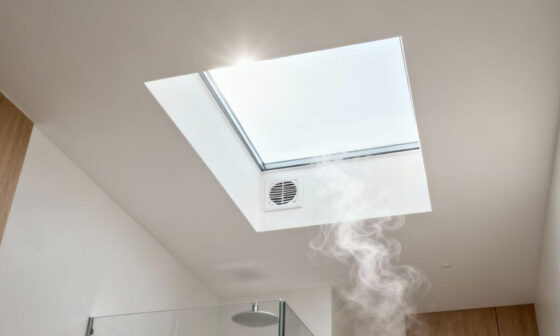
In humid regions, humidity control goes hand in hand with sump pump performance. Dehumidifiers complement the system by lowering airborne moisture levels and preventing the condensation that can damage drywall, furniture, and stored belongings. Together, these systems form a defensive alliance against water’s persistent reach.
FAQ
What causes a sump pump to wear out prematurely?
A broken float switch or blocked discharge pipe causes continuous operation, which leads to early failure. Pumps that handle more water than their capacity wear out quickly. Mineral buildup and improper cleaning degrade seals and bearings.
How often should I test my sump pump?
Pumps should be tested every few months, especially before rainy seasons. A bucket of water in the basin activates the float and helps the pump drain. Normal testing detects minor issues before they cause system failure.
Is it possible to install a new sump pump myself?
Professional replacement provides security and compliance, but some homeowners DIY. Technicians check electrical safety, sealing, and discharge line fit. Incorrect installation can cause short cycles or leaks, negating the new system’s benefits.
What type of sump pump housing lasts the longest?
Cast iron and stainless steel housings usually offer the greatest durability. These materials resist corrosion and heat damage, making them ideal for long-term use in damp environments. Thermoplastic versions suit lighter applications where rust risk is minimal.
Can I use a backup battery with any sump pump?
Battery backup systems work with most modern sump pumps, depending on voltage and design. A properly rated inverter or battery pack minimizes overload and provides power continuity during unexpected power outages.
Why does my basement smell musty even after installing a pump?
Pumps remove only standing water. Continuing humidity, poor ventilation, or hidden leaks can cause musty odors. Ventilation or a dehumidifier can remove airborne moisture that pumping cannot.
What size pump should I choose for heavy rainfall areas?
Homes in heavy-rain areas should choose units with more horsepower and gallons-per-hour. Given local water tables and basement depth, professional evaluation determines requirements.
How can I reduce noise from my sump pump?
Noise often results from vibration or loose connections. Securing discharge pipes and using rubber mounts beneath the pump reduces sound transmission. If grinding persists, cleaning the impeller and inspecting bearings can restore quiet performance.