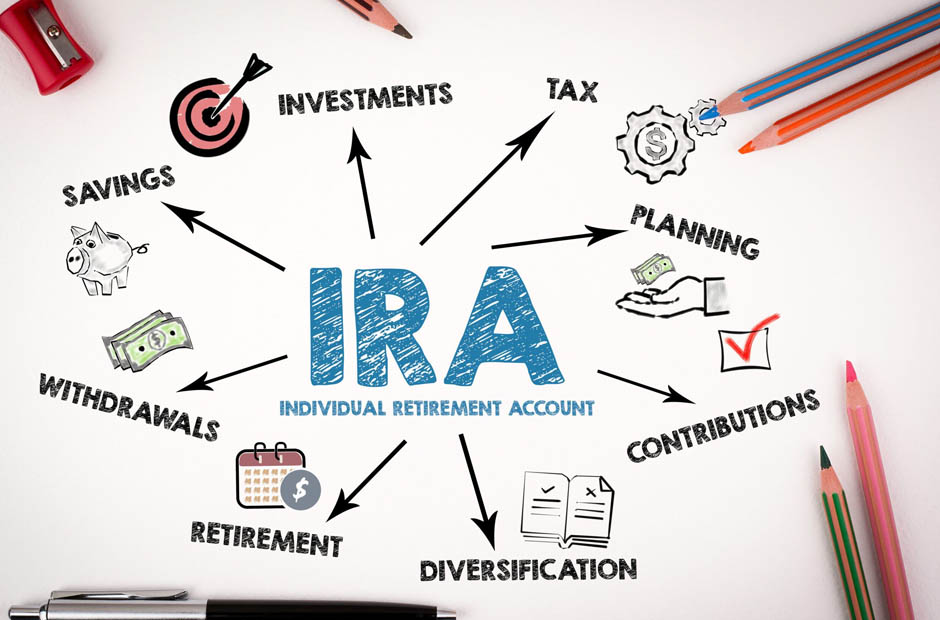
Retirement goals can span several decades, from steady income to tax control and legacy needs. An IRA can support those aims when account choice, contribution habits, and withdrawal plans work together. The right approach depends on income, age, tax status, and work benefits. A clear plan may help improve the link between current savings and future income.
Start With the Goal for Each Account
An Individual Retirement Account works best when each account has a clear role. IRA Planning helps with tax control, income, and long-term asset use when the account type fits the goal. A Traditional IRA may suit a person who wants a current tax deduction and expects a lower tax rate later.
A Roth IRA may suit someone who expects a higher tax rate in retirement or wants tax-free qualified withdrawals. The choice is not just about this year’s taxes. It can affect future income, required withdrawals, and estate options.
Match Contributions With Tax Position
Contribution choices should reflect income level, workplace plan access, and tax status. A Traditional Individual Retirement Account may allow deductible contributions, but income limits can affect that deduction when a workplace plan exists. A Roth IRA has income limits for direct contributions, so eligibility needs review each year.
This step may help prevent missed tax benefits or excess contribution issues. It also aids in comparing the value of a tax break now with tax-free income later. A tax professional may help with annual limits, deduction rules, and filing status details.
Use Time Horizon as a Guide
The number of years before retirement can shape the account choice. A longer time frame may help improve the value of Roth IRA growth because qualified withdrawals can be tax-free. A shorter time frame may place more focus on current deductions, liquidity, and income needs.
Time horizon also affects risk level and withdrawal pace. Money needed soon may require a more careful asset mix than funds set aside for later years. A periodic review helps keep the individual retirement account aligned with age, income needs, and market changes.
Key Review Points
These points can support a more practical review. Each item should connect to a real goal or tax issue. Professional help may aid with details that vary by household.
- Current tax bracket
- Expected future tax rate
- Workplace retirement plan access
- Roth IRA income limits
- Required minimum distribution impact
Plan for Withdrawals Before Retirement Ends
Withdrawal rules can affect taxes, cash flow, and account value. Traditional IRA withdrawals are usually taxable, while qualified Roth Individual Retirement Account withdrawals can be tax-free. Required minimum distributions can also affect taxable income later in life.
A withdrawal plan may help improve control over retirement income. Some retirees use taxable accounts first, while others draw from IRA assets sooner to manage future tax rates. The right order depends on income sources, health costs, and long-term cash needs.
Include Estate and Beneficiary Goals
Individual Retirement Account decisions can affect heirs as well as the original account owner. Beneficiary choices should stay current after marriage, divorce, birth, death, or major family change. A Roth IRA may support estate goals because qualified withdrawals can pass with favorable tax treatment.
Estate goals should still account for tax cost, state rules, and beneficiary needs. A large conversion or major account shift can create current tax effects. Legal and tax advice may help align retirement account assets with wills, trusts, and beneficiary forms.
IRA Planning can work better when each choice connects to a defined long-term goal. Account type, contribution method, tax position, withdrawal order, and beneficiary details all have a role. A yearly review may help improve the plan without excess complexity or broad assumptions.