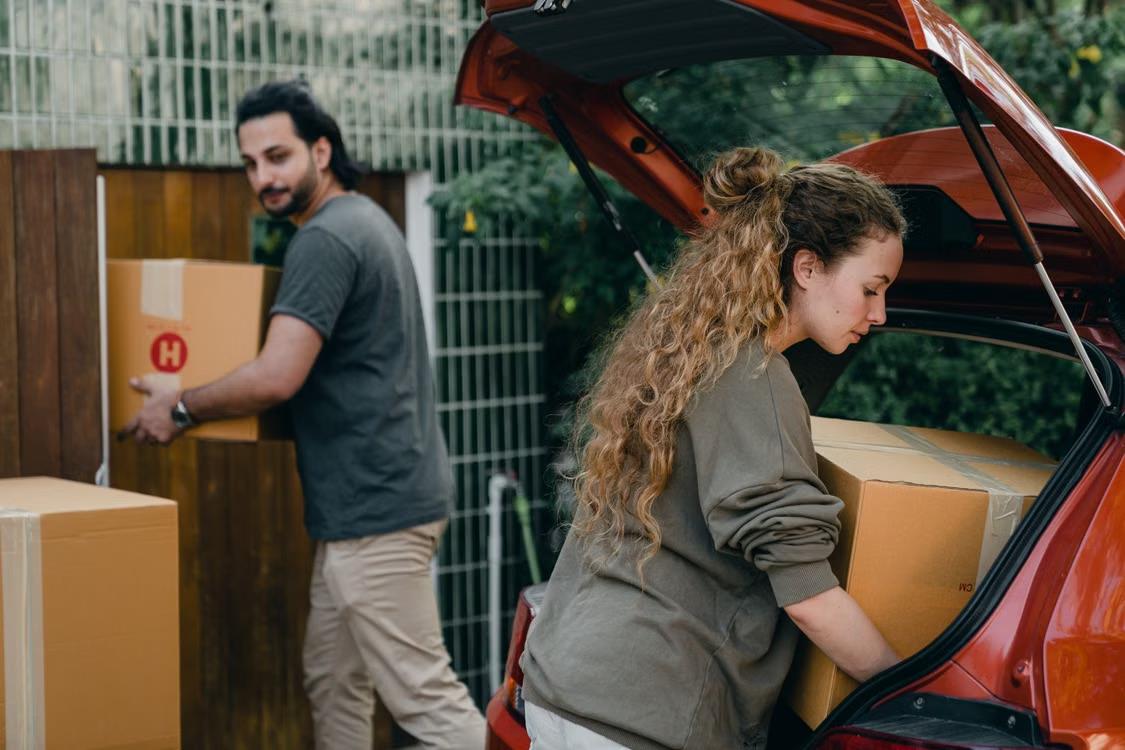
Moving across town sounds easy on paper. You’re not crossing states, so how hard can it be, right? Then the boxes appear, your charger disappears, and suddenly your coffee maker feels like a major life decision. Local moves can get chaotic fast because you still have to plan, pack, clean, schedule, and keep your regular life going. The good news is that a short move gets much easier when you break it into small steps and make smart choices early.
Start with support
A local move may be shorter in miles, but it can still eat up your time and energy like a hungry cardboard monster. You’re juggling keys, leases, work, school pickups, and the mystery drawer full of batteries and pens that no one wants to claim.
That’s why planning early matters. Start with your move date, building rules, parking needs, and the size of your home. Once your plan starts to take shape, it can help to look into local movers if you need support with lifting, loading, or timing around a busy schedule.
Even if you’re mostly doing it yourself, outside help can reduce stress in a big way. Think of it less like giving up control and more like not trying to carry a couch while also answering a text and hunting for tape.
Know your moving timeline
The month before your move is the time to lock in the basics. Book your moving date, ask your building about elevator access, and start gathering supplies like boxes, tape, markers, and padding. If you wait too long, the good time slots vanish like snacks at a sleepover.
The week before, get serious. Pack things you don’t use every day, confirm moving details, and set aside a small bag with clothes, chargers, medicine, and toiletries. This is also a good time to label boxes clearly and make sure utilities are scheduled correctly.
On moving day, keep your phone charged and your keys easy to grab. Do one last walkthrough of closets, cabinets, and bathrooms. Local moves often happen fast, which sounds nice until you realize fast can also mean forgetful. A simple timeline keeps the whole day from turning into a scavenger hunt.
Pack by daily routine
A lot of people pack by room only, and that works fine until the first morning in the new place when your toothbrush is in one box and your coffee filters are in another dimension. Packing by routine can make unpacking much easier.
Think about how your day actually works. Put morning essentials together. That might include your toothbrush, face wash, hairbrush, vitamins, coffee supplies, and a clean towel. Keep work or school items together too, like a laptop, charger, notebook, headphones, and planner.
Kitchen basics are another smart group. You probably don’t need every serving bowl on day one, but you will want plates, cups, a pan, dish soap, and a few utensils. This method helps your new place feel functional right away. It’s less about perfect organization and more about making sure your real life can start again without too much chaos.
Avoid common move mistakes
One of the biggest mistakes in a local move is assuming it won’t take long. Because the new place is nearby, people often start late or leave too much for the final day. Then they run out of time, energy, or both. Short distance does not mean short to-do list.
Another common problem is forgetting address updates. Mail forwarding, online orders, bank accounts, school forms, and delivery apps all need your new address. It’s boring, sure, but it saves a lot of future headaches. No one wants their dinner sent to the old apartment.
Mislabeling boxes also causes trouble. Writing “stuff” on a box is technically honest, but not very helpful. Be specific. Cleaning is the other classic last-minute trap. If you leave all of it until the end, you’ll be wiping baseboards while standing next to a pile of lamps and regret. Spread those tasks out early.
Protect your new space
Moving can be rough on homes, even when everyone is careful. Table legs scrape floors, boxes bump walls, and door frames seem to jump out of nowhere. A few simple protections can save you from damage fees or annoying repairs later.
Use old towels, cardboard, or floor runners in high-traffic spots. If it’s rainy, lay something down near entrances so dirt doesn’t get tracked everywhere. Keep doors propped open when possible, but safely, so people aren’t doing the awkward box shuffle while turning knobs.
Watch tight corners and hallway walls, especially in apartments. Elevators and shared hallways deserve extra care because one sharp bed frame corner can leave a mark fast. If you’ve taken furniture apart, keep screws and small parts in labeled bags taped to the item. Protecting your space isn’t fancy. It’s mostly about slowing down just enough to avoid turning move day into a home improvement episode.
Settle in faster
The first 48 hours after your move matter more than people think. You do not need to unpack everything right away. You just need the home to work. Start with the bed, bathroom, and kitchen basics. If you can sleep, shower, and make a simple meal, you’re already winning.
Next, check utilities and internet. Flip light switches, test outlets, and make sure the fridge is running. It’s better to notice problems early than at bedtime when you’re trying to charge your phone with 3 percent battery and a prayer.
Do one quick comfort setup too. Put toilet paper in the bathroom, hang a shower curtain, find clean sheets, and plug in a lamp. Add one or two familiar things, like your favorite blanket or a framed photo. That small effort helps the place feel livable right away. A smooth landing beats perfect unpacking every time, and your future self will be very impressed.