Bitcoin is the most recognized digital asset in the world, but its price can move quickly. For traders, investors, and everyday users, this volatility creates both opportunity and risk. When the market becomes uncertain, many people look for a way to keep value in the digital asset ecosystem while reducing exposure to sudden price swings.
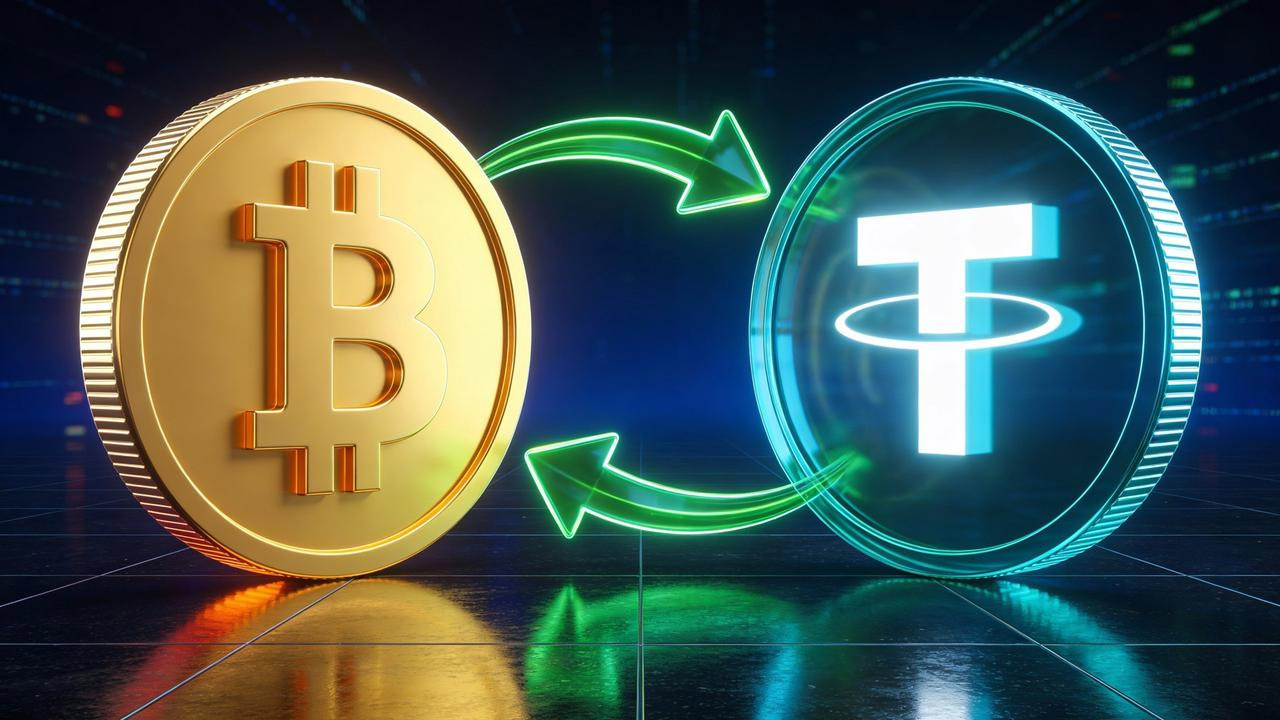
That is why the BTC – USDT exchange has become one of the most common conversions in the market. By converting Bitcoin into Tether, users can move from a volatile asset into a stablecoin that is designed to stay close to the value of the U.S. dollar.
If you are wondering how to exchange BTC to USDT, the process is usually simple. Still, choosing the right platform, checking the correct network, and understanding fees can make the difference between a smooth transaction and an avoidable mistake.
Why Users Convert BTC Into USDT
Bitcoin can experience sharp price changes in short periods. Some users are comfortable holding through volatility, while others prefer to reduce risk when the market feels uncertain.
USDT is widely used because it allows users to hold a dollar-pegged digital asset without fully exiting the crypto market. This makes it useful for several situations.
Protecting Profits
After Bitcoin rises in value, users may convert part of their holdings into USDT to secure gains. A BTC – USDT exchange can help preserve value before a potential market correction.
Waiting for a Better Entry Point
Some traders exchange BTC into USDT when they expect prices to fall. They can later use USDT to re-enter the market when conditions look more favorable.
Reducing Short-Term Risk
During uncertain market periods, USDT can act as a temporary holding asset.
Preparing for Other Trades
USDT is supported by many platforms and trading pairs, making it convenient for future transactions.
What Is a BTC – USDT Exchange?
A BTC – USDT exchange Godex.io is the process of converting Bitcoin into Tether.
Instead of selling Bitcoin for traditional currency, users exchange it for a stablecoin. This keeps funds in digital form and allows users to move quickly between assets when needed.
This type of exchange is popular because it combines Bitcoin’s liquidity with USDT’s relative price stability.
How to Exchange BTC to USDT
If you are learning how to exchange BTC to USDT, most platforms follow a similar process.
First, choose a trusted service that supports BTC and USDT. Then select BTC as the asset you want to send and USDT as the asset you want to receive. After that, enter the amount, provide your USDT wallet address, review the rate and fees, and confirm the exchange.
A typical process looks like this:
- Select BTC as the currency to exchange.
- Select USDT as the currency to receive.
- Enter the BTC amount.
- Choose the correct USDT network.
- Add the receiving wallet address.
- Review the estimated payout.
- Confirm the transaction.
- Send BTC to the provided address.
- Wait for USDT to arrive in your wallet.
The steps are straightforward, but every detail matters.
Choosing the Correct USDT Network
One of the most important parts of any BTC – USDT exchange is choosing the correct USDT network.
USDT exists on several networks, including Ethereum, Tron, BNB Smart Chain, Solana, and others. Your receiving wallet must support the network you choose.
If you send USDT to an unsupported network, the funds may be delayed or difficult to recover.
Before confirming the transaction, always check:
- The network selected on the exchange platform
- The network supported by your receiving wallet
- The wallet address format
- Any required tags or additional details
This is one of the most common mistakes users make when learning how to exchange BTC to USDT.
Fixed Rate or Floating Rate?
When exchanging BTC into USDT, platforms may offer fixed or floating rates.
Fixed Rate
A fixed rate locks the exchange rate for a limited time. This can be helpful during volatile markets because users know the approximate amount of USDT they will receive.
Floating Rate
A floating rate changes according to the market until the transaction is processed. The final amount may be slightly higher or lower than the initial estimate.
For users who value certainty, a fixed rate may be better. For users who are comfortable with market movement, a floating rate may be acceptable.
What to Check Before Confirming the Exchange
Before completing a BTC – USDT exchange, review the following details carefully.
Exchange Rate
Compare the rate with current market conditions. The best platform should provide a fair and transparent estimate.
Fees
Check both service fees and network fees. The final amount of USDT received matters more than the displayed headline rate.
Minimum Amount
Many platforms have minimum exchange limits. Sending less than the required amount can cause delays.
Processing Time
BTC confirmations can take time depending on network conditions. A reliable service should provide transaction tracking.
Platform Reputation
Use a service with a strong history, transparent terms, and positive user feedback.
Why Some Users Prefer Instant Exchange Platforms
Traditional exchanges may require users to create accounts, verify identity, and manage order books. For users who simply want a quick conversion, this can feel unnecessary.
Instant exchange platforms simplify the process by focusing on one task: converting one asset into another.
This can make a BTC – USDT exchange faster and more convenient, especially for users who already hold BTC and only want to receive USDT in their wallet.
Common Mistakes to Avoid
Even a simple exchange can go wrong if users rush.
Using the Wrong Network
Always confirm that the selected USDT network matches your wallet.
Ignoring the Final Payout
The exchange rate alone is not enough. Review the final amount after fees.
Sending to the Wrong Address
Crypto transactions are usually irreversible. Double-check the wallet address before sending funds.
Forgetting Minimum Limits
If the exchange has a minimum amount, make sure your transaction meets it.
Using an Unknown Platform
Research the service before sending funds.
When Is a BTC – USDT Exchange Useful?
There are many situations where converting BTC into USDT makes sense.
A user may want to protect profits after a price increase, reduce exposure during uncertain market conditions, rebalance a portfolio, or prepare funds for a future trade.
A BTC – USDT exchange can also be useful when users want to stay in digital assets rather than withdraw to traditional currency.
This flexibility is one reason the pair remains so widely used.
How USDT Supports Portfolio Planning
USDT often serves as a liquidity tool.
Traders may hold some USDT to prepare for dips, new opportunities, or emergency portfolio adjustments. Instead of making decisions under pressure, they can use USDT as part of a planned strategy.
For example, a trader may decide to convert 20% of BTC holdings into USDT after a strong market rally. Later, if BTC drops to a target level, they may use USDT to buy back.
This kind of planning can reduce emotional decision-making.
Security Tips for Exchanging BTC to USDT
When learning how to exchange BTC to USDT, safety should be a priority.
Follow these basic practices:
- Use trusted platforms only.
- Verify the website address.
- Double-check the receiving wallet.
- Confirm the USDT network.
- Review fees before sending funds.
- Start with a smaller transaction when using a new platform.
- Keep wallet recovery phrases offline.
A careful approach helps prevent common errors.
Final Thoughts
A BTC – USDT exchange is one of the most practical conversions for digital asset users. It allows traders to reduce volatility exposure, protect profits, maintain liquidity, and stay ready for future opportunities.
For anyone wondering how to exchange BTC to USDT, the process is easy to understand: choose a reliable platform, select BTC and USDT, confirm the correct network, review fees, and verify the receiving address.
By taking time to compare services and check transaction details, users can complete a BTC to USDT conversion more safely and efficiently.