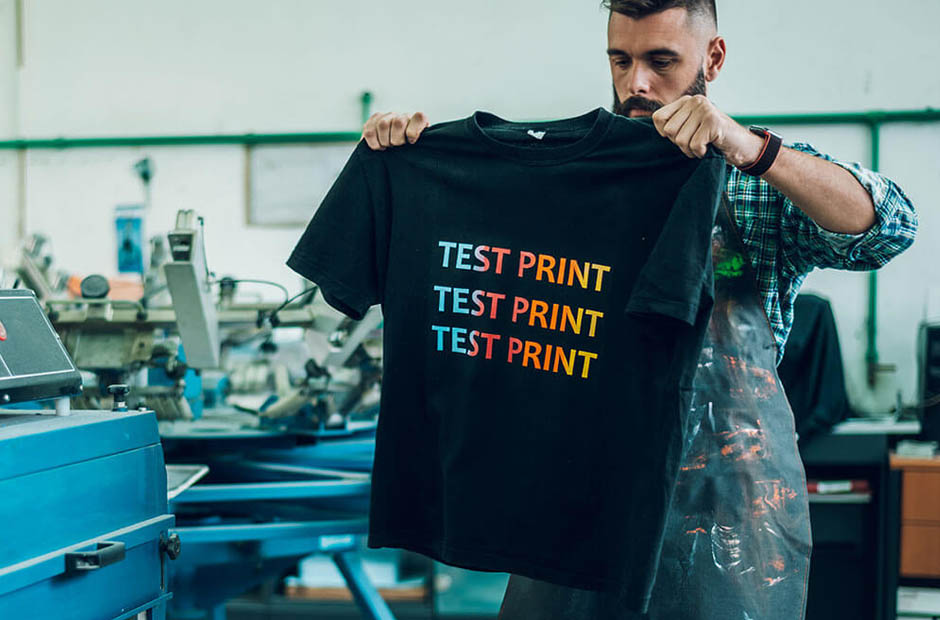
A T-shirt design can look sharp on a screen and still turn out disappointing after printing. Some methods create cracked graphics after a few washes, while others fail to match the original colors properly. Print quality also changes depending on fabric type, design size, and shirt style. This article explains common T-shirt printing methods, the situations where each option works best, and what buyers should review before placing apparel orders. A better understanding of printing techniques can help avoid wasted money, weak graphics, and poor fabric compatibility later.
Screen Printing Works Best For Bulk Orders
Screen printing remains one of the most common choices because it creates durable prints with strong color visibility. Many businesses interested in custom t-shirt printing prefer this method for larger orders since repeated designs become more cost-effective. Screen printing also works well on round neck shirts, heavyweight cotton fabrics, and oversized casual apparel.
Popular uses for screen printing include:
- Team uniforms
- Event merchandise
- Brand logo shirts
- Bulk promotional apparel
This method usually creates bold prints that remain visible after repeated washing cycles.
DTG Printing Supports Detailed Artwork
Direct-to-garment printing, also called DTG printing, works well for detailed graphics and multi-color artwork. This process applies ink directly onto fabric, which helps softer designs blend naturally into cotton shirts. Smaller print batches usually benefit more from DTG because setup requirements stay simpler compared to bulk screen printing.
DTG printing suits:
- Artistic illustrations
- Detailed photo prints
- Small custom orders
- Lightweight cotton shirts
Many fashion brands also use DTG for limited edition or small-run apparel collections.
Heat Transfer Methods Fit Smaller Projects
Heat transfer printing applies designs using heat and pressure instead of direct ink application. This method works well for simple logos, text designs, and quick production needs. Many sports jerseys and custom event shirts use heat transfer because it supports fast turnaround times and flexible design placement.
Heat transfer printing usually performs better on:
- Polyester blends
- Athletic shirts
- Raglan sleeve designs
- Temporary event apparel
Careful washing helps these prints maintain their appearance for a longer period after production.
Fabric Type Changes Print Results
Fabric choice directly affects how each printing method performs after repeated use and washing. Cotton usually supports cleaner DTG and screen prints because the material absorbs ink naturally. Polyester blends work better for heat transfer and athletic designs because they resist shrinking and maintain shape more effectively.
Lightweight shirts sometimes struggle with heavier prints because thin fabrics may stretch around larger graphics. Heavier cotton shirts usually create stronger support for bold designs and oversized artwork. Print method and fabric type should always match before final production starts.
Reliable Suppliers Help Improve Print Results
Choosing the right supplier can prevent weak prints, delayed orders, and inconsistent shirt quality after production. Experienced printing teams usually explain which methods work best for certain fabrics, graphics, and apparel styles before final approval. Many buyers also prefer suppliers who communicate clearly throughout the design and production process.
Helpful supplier checks include:
- Review previous print samples carefully
- Compare available printing methods clearly
- Ask about fabric and print durability
- Confirm delivery timelines before ordering
Many customers choose custom t-shirt printing providers that offer design proofs because previews help reduce unexpected mistakes before production starts.
The right printing method depends heavily on design complexity, shirt material, order size, and long-term durability expectations. Screen printing usually supports larger orders, while DTG printing suits detailed artwork and smaller runs more effectively. Heat transfer methods also remain useful for sportswear and short-term event apparel. Fabric quality plays an equally important role because some materials support cleaner and longer-lasting prints than others. Careful planning before customized t-shirt printing can help buyers receive shirts that look sharper, feel comfortable, and maintain quality after repeated use.