Choosing a heating, ventilation, and air conditioning (HVAC) system for your home can lead to efficient year-round climate control. Select a heating system that fits your home’s size, efficiency needs, and comfort preferences before installation. The right system should balance energy efficiency and indoor air quality. Here are a few tips on how to choose the correct HVAC system for your home’s needs:
Assess Air Conditioning Needs
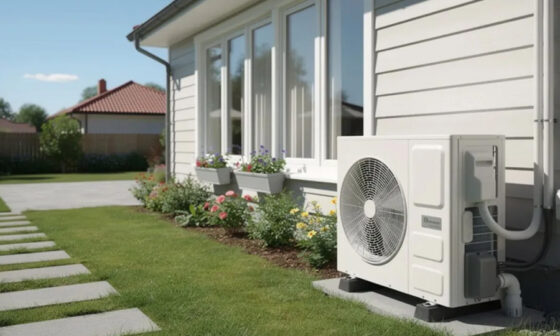
When evaluating central air conditioning installation, look at more than the cooling capacity. The size of the heating and air conditioning system must be matched to the home to achieve consistent comfort and efficient operation. An oversized unit cycles on and off frequently, increasing component wear and wasting energy. It may also fail to control humidity effectively due to shortened run times.
An undersized system runs continuously as it tries to meet demand, often struggling to maintain the set temperature during peak conditions. This added strain reduces efficiency and can impact performance. Ductwork should be assessed to provide sufficient airflow and proper distribution. Restrictions or poor design limit system performance and reduce comfort. Addressing these issues supports efficient operation and helps extend the system’s service life. A heating and air conditioning contractor will evaluate the home, review system requirements, and recommend equipment with the appropriate type and capacity.
Review Ventilation Options
Ventilation affects HVAC system performance by supporting balanced air exchange between indoor and outdoor environments and by removing indoor contaminants. Common whole-building ventilation options include heat recovery ventilators (HRVs) and energy recovery ventilators (ERVs). Both systems exhaust indoor air and bring in outdoor air while transferring energy between the two air streams. An HRV transfers heat from outgoing air to incoming air, reducing heat loss in colder conditions. An ERV transfers both heat and moisture; this helps limit humidity transfer into the home in humid climates and reduces the latent cooling load on the air conditioning system.
Evaluate Heating Options
When choosing the heating component of your heating and air conditioning systems, evaluate options such as electric and gas furnaces or boilers. Selecting a home heating system depends on the available energy source, the type of home, and the local climate. Electric heating is more commonly used in milder climates, where heating demand is lower.
Gas heating provides higher heat output, which suits colder regions with greater heating needs. Existing ductwork is another factor, since forced-air systems rely on it for air distribution. Boilers are used in homes with radiator systems. They deliver steady heat and maintain higher indoor humidity levels than forced-air systems.
Implement Temperature Zoning
Installing a zone-based heating and air conditioning system allows different temperature settings in separate areas of the home. Rooms with higher occupancy or specific uses often require more conditioned air than less-used spaces. Multi-story homes benefit from zoning because heat rises, leaving upper levels warmer than lower floors, and separate zones address these differences. Zoning also supports different temperature preferences across areas of the home, improving overall comfort.
Schedule Regular Maintenance
Maintenance checks verify that a heating and air conditioning system operates as intended and reduce the likelihood of breakdowns. Many homeowners enroll in semi-annual maintenance plans for routine service. These visits include system tune-ups, filter replacement or cleaning, and lubrication of moving parts.
Regular service improves airflow and supports consistent operation. During an inspection, a technician checks for loose or worn components and identifies signs of wear. When issues are found, parts are adjusted, repaired, or replaced to maintain system function.
Engage HVAC System Experts Today
HVAC systems allow you to control the temperature in your home by heating and cooling the rooms. Available options include gas heating systems, zoning controls, and a range of ventilation systems. The choice should reflect the home’s layout and the occupants’ temperature preferences. Invest in a reliable HVAC system today.