Embarking on a kitchen remodel is one of the most exciting home improvement projects you can take on. The kitchen is the undisputed heart of the home, a bustling hub where families gather, meals are prepared, and memories are made. Naturally, when planning a redesign, it is easy to get caught up in selecting beautiful finishings like quartz countertops, custom shaker cabinets, or eye-catching tile backsplashes.
However, behind those gorgeous cosmetic surfaces lies a complex web of structural, plumbing, and utility layouts. Focusing entirely on aesthetics while neglecting functional blueprinting is a recipe for long-term frustration. A kitchen that looks like a luxury magazine cover but suffers from awkward workflows or poorly placed outlets will quickly become a headache to use daily.
To keep your renovation smoothly on track and safeguard your hard-earned budget, you have to plan from the inside out. Avoiding the hidden structural errors that many homeowners overlook ensures your space is as practical as it is beautiful. Here are five critical layout mistakes to watch out for during your next kitchen overhaul.
1. Disregarding the Functional Kitchen Work Triangle
The fundamental rule of efficient kitchen design centers around the classic work triangle. This geometric concept dictates the spatial path between your room’s three most heavily used zones: the refrigerator, the sink, and the primary cooking surface or stovetop.
When these three features are placed too far apart, you will spend your evenings exhausting yourself walking unnecessary laps around your space just to prepare a basic meal. Conversely, putting them too close together creates a tight bottleneck that makes it impossible for more than one person to cook at a time.
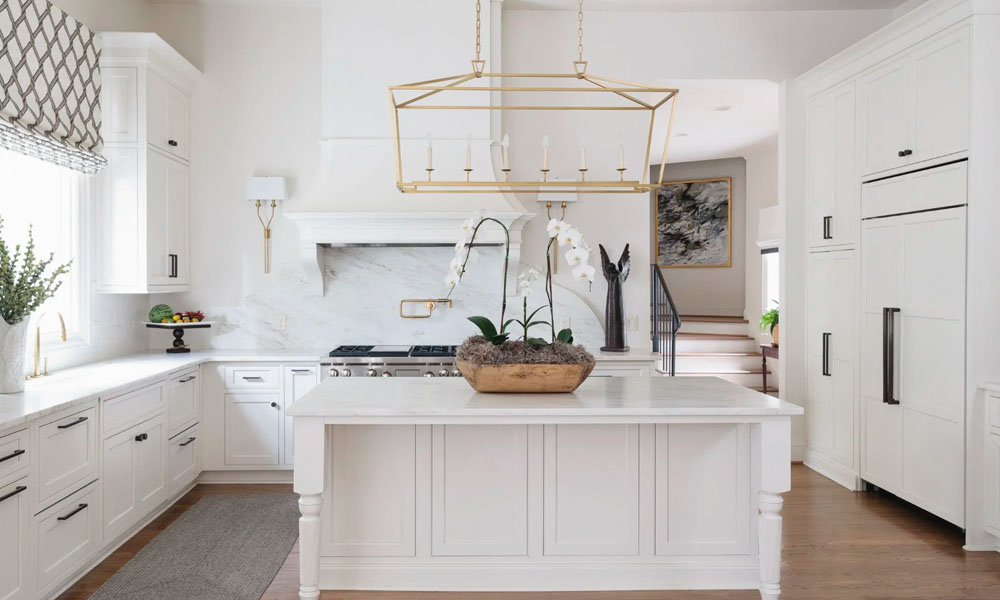
Keep your traffic paths completely clear of major obstructions like a poorly anchored central island. An island should serve as an open workspace, not a massive roadblock that forces you to squeeze past every time you grab a simple ingredient from the fridge.
2. Underestimating Real-World Storage and Cabinet Clearance
A common remorse among homeowners post-remodel is realizing they didn’t incorporate enough storage capacity for specialized kitchen gadgets, pantry staples, and oversized cookware. Do not simply count your cabinet boxes; analyze how you actually interact with your storage storage regularly.
For instance, deep base drawers are far more efficient than deep base shelves, which frequently force you to drop to your knees to hunt down hidden plastic lids. Take precise measurements of your appliance door swings as well.
A costly, late-stage error occurs when a newly installed refrigerator door or dishwasher rack cannot open completely because it hits an adjacent wall or counter edge. Leave adequate clearance space around every single corner hinge to keep your room moving safely.
3. Skimping on Dedicated Appliance Circuits
Modern kitchens host an incredible array of high-draw electrical appliances, including microwaves, espresso machines, air fryers, and high-speed blenders. If your renovation plan simply hooks all of your new wall outlets up to a couple of pre-existing, general household circuits, you will frequently overload the grid.
Tripping a breaker every single time you attempt to toast a slice of bread while brewing your morning coffee is incredibly frustrating. High-capacity appliances require completely independent electrical lines running directly back to your main breaker panel.
To map out these intricate power loads safely, it is highly beneficial to work alongside localized trade professionals who know local building codes back to front. Partnering with an experienced contract electrician in South Jordan guarantees your walls are packed with the proper heavy-gauge wiring, safe arc-fault protection, and well-distributed dedicated circuits to handle your culinary gear safely.
4. Neglecting Proper Layered Lighting Layouts
Choosing a single, bright fluorescent light fixture for the dead center of your kitchen ceiling is a major design misstep. Centralized lighting casts your own shadow directly across the countertops whenever you stand up to slice vegetables or read a recipe card.
A truly functional kitchen relies on an intentional, layered approach to lighting. Divide your lighting design into three distinct categories: ambient, task, and accent lighting.
Recessed ceiling cans provide gentle ambient light across the whole room, while hidden under-cabinet LED strips offer direct, glare-free task lighting precisely where your knives intersect your cutting boards. Adding soft accent lighting inside glass-front cabinets or beneath islands provides a warm, inviting glow that elevates the room’s evening atmosphere.
5. Overlooking Adequate Ventilation and Range Hood Power
Cooking naturally generates significant amounts of heat, steam, airborne grease, and strong odors that can quickly blanket your entire home if left unmanaged. Recirculating microwave hoods that simply filter air through basic charcoal pads and blow it right back into your face do very little to keep your air clean.
Prioritize installing a high-quality range hood that vents directly to the outside of your house. Take time to calculate your stove’s total heat output so you can match it with a ventilation system possessing sufficient cubic feet per minute capacity.
Proper external ductwork sweeps away harmful moisture particles before they settle into your brand-new wooden cabinets, protecting your costly investment from warping, peeling paint, and hidden mold growth over the years.
Conclusion
A successful kitchen remodel relies entirely on prioritizing smart, internal infrastructure before choosing final paint colors and cabinet hardware. By honoring the work triangle, leaving ample door clearances, investing in robust ventilation, and ensuring your electrical panel can support dedicated appliance lines, you eliminate technical friction before it ever hits your daily routine. Your kitchen should serve as a source of comfort, creative expression, and community within your household. Taking the time to methodically map out these hidden details today ensures your newly renovated space operates flawlessly for decades to come.