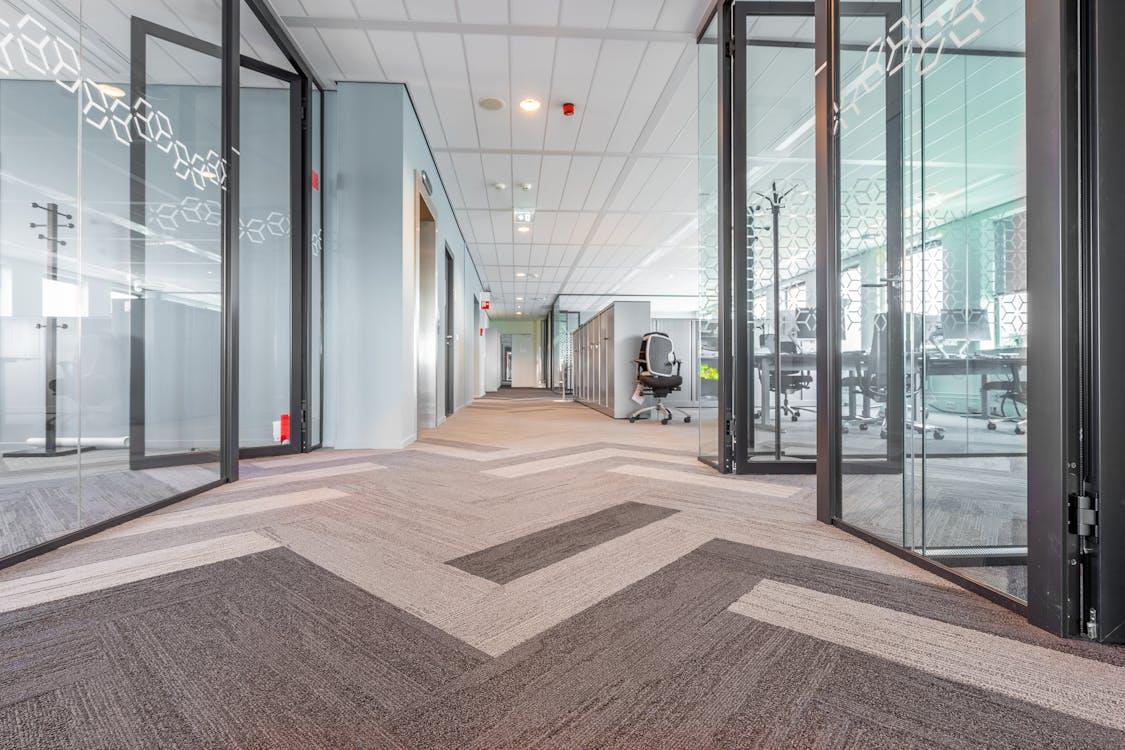
A business space communicates intent before any interaction begins. Clients don’t consciously analyze every detail, but they register various elements quickly. Materials and visual balance create an immediate sense of whether the environment feels controlled or loosely put together. This impression impacts how the business itself is judged.
Professional spaces tend to feel deliberate. Every element appears placed with purpose, from flooring to layout to lighting. This sense of order signals discipline and long-term thinking. When design aligns with function, the environment supports credibility without needing explanation.
Flooring as a Signal of Stability
Flooring acts as the base layer of perception. It connects every area of a business space, which means any inconsistency becomes noticeable even if clients don’t actively point it out. Uneven wear, mismatched sections, or poor transitions between materials can quietly suggest that maintenance and planning are not tightly managed. A surface that looks fragmented often raises subtle doubts about how the business handles its operations.
A consistent flooring system builds a different impression. It shows continuity, durability, and a willingness to invest in long-term structure. Choices such as Mohawk Flooring styles help maintain uniformity across high-traffic and low-traffic areas, creating a seamless experience throughout the space. This level of consistency signals that the business values stability and avoids short-term fixes that disrupt the overall environment.
Neutral Color Palettes and Visual Control
Bright or clashing tones can create a sense of unpredictability, especially in professional environments where focus matters. A scattered palette often pulls attention in multiple directions, making the space feel less controlled. Clients may not identify the issue directly, yet the environment can feel less composed.
Neutral tones create a steady visual field. They reduce distraction and allow attention to stay on the interaction rather than the surroundings. This approach supports a calm and structured atmosphere, where nothing feels excessive or out of place. A restrained palette dictates discipline in decision-making, showing that the business prioritizes clarity and order in how it presents itself.
Structured Layouts and Spatial Clarity
Layout determines how people move, interact, and interpret a space. A poorly structured layout forces visitors to pause, look around, and figure out where to go. This hesitation introduces uncertainty, which can affect how the business is perceived. Disorganized spacing often suggests that internal processes may lack structure as well.
A well-organized layout removes this friction. Movement feels natural, and each area has a clear function. Clients can navigate without needing guidance, which creates a smoother experience from the moment they enter. Defined zones, logical placement of work areas, and clear pathways all contribute to an environment that feels controlled and intentional.
Reception Areas as First Impressions
The reception area acts as a checkpoint for perception. Before any service is delivered, clients form an opinion based on how this space is arranged. A cluttered or poorly defined reception creates doubt, even if everything else in the business runs efficiently. It suggests a lack of preparation or attention to detail.
A well-designed reception area communicates readiness. Seating, desk placement, and visual balance work together to create a composed entry point. Clients feel acknowledged and oriented without confusion.
Clean Lines and Uncluttered Design
Visual simplicity carries weight in professional environments. Excess elements, crowded surfaces, or inconsistent styling can make a space feel scattered. Even if each item serves a purpose, the overall effect can reduce clarity and create a sense of disorder. Clients may not consciously analyze the design, but they feel the lack of cohesion.
Clean lines bring focus back into the space. Straight edges, consistent spacing, and minimal visual interruption create an environment that feels controlled and efficient. This approach supports a clear visual hierarchy, where attention is directed rather than divided.
Acoustic Control and Communication Quality
Sound plays a bigger role in professional environments than most businesses account for. Poor acoustics can create overlapping conversations, echo, or background noise that makes communication feel strained. Even if the space looks refined, difficulty in hearing or focusing during discussions can weaken the overall impression of professionalism.
Controlled acoustics create a different experience. Sound remains contained, conversations feel private, and distractions are minimized. Materials such as soft finishes, panels, or strategic spacing help regulate how sound travels through the space. This level of control reflects attention to detail and respect for communication, reinforcing the idea that the business values precision not only in appearance but in how interactions take place.
Visible Maintenance and Upkeep
Maintenance is one of the most immediate indicators of how a business operates on a day-to-day level. Surfaces that show neglect, such as scuffed walls, worn edges, or poorly maintained fixtures, signal inconsistency. Even minor signs of wear can influence perception, suggesting that attention to detail may not extend across all aspects of the business.
A well-maintained environment communicates something entirely different. Clean surfaces, intact materials, and consistent upkeep show that the business actively manages its space rather than reacting to issues only when they become obvious.
Balance Between Private and Collaborative Spaces
The way a business structures its interior spaces reveals how it manages workflow and communication. A space with no clear distinction between private and shared areas can feel chaotic, while one that isolates everything may seem rigid or inaccessible. Clients observe how these spaces function, even if indirectly, and form impressions based on that balance.
A thoughtful mix of private and collaborative zones suggests adaptability and control. Meeting rooms, open work areas, and transitional spaces each serve a defined purpose without unnecessarily overlapping.
Workspace Ergonomics and Operational Efficiency
Workspaces that appear uncomfortable, cramped, or poorly arranged can signal short-term thinking. Clients may not evaluate ergonomics in technical terms, yet they notice when an environment feels strained or inefficient.
A well-designed workspace supports movement, comfort, and sustained use without disruption. Proper desk placement, seating, and spacing contribute to an environment that feels practical and stable. This suggests that the business invests in systems that support performance over time, reinforcing the idea that efficiency and structure extend beyond visible design elements.
Controlled Decorative Elements
Decorative choices can either support or disrupt the vibe of a business environment. Excess decoration, mismatched styles, or overly bold elements can shift focus away from the purpose of the space. Instead of reinforcing professionalism, the environment begins to feel inconsistent or distracting.
A controlled approach to decoration maintains balance. Elements are selected with intention and placed strategically, complementing the overall design rather than competing with it. This restraint shows discipline and thoughtful decision-making, allowing the space to communicate professionalism without unnecessary visual noise.
Interior design operates as a silent indicator of how a business functions. Every detail, from flooring to layout to maintenance, contributes to a larger impression of stability and professionalism. Clients interpret these signals quickly, often forming judgments before any formal interaction begins.